





By Emmanuel T. Erediano
[email protected]
Variety News Staff
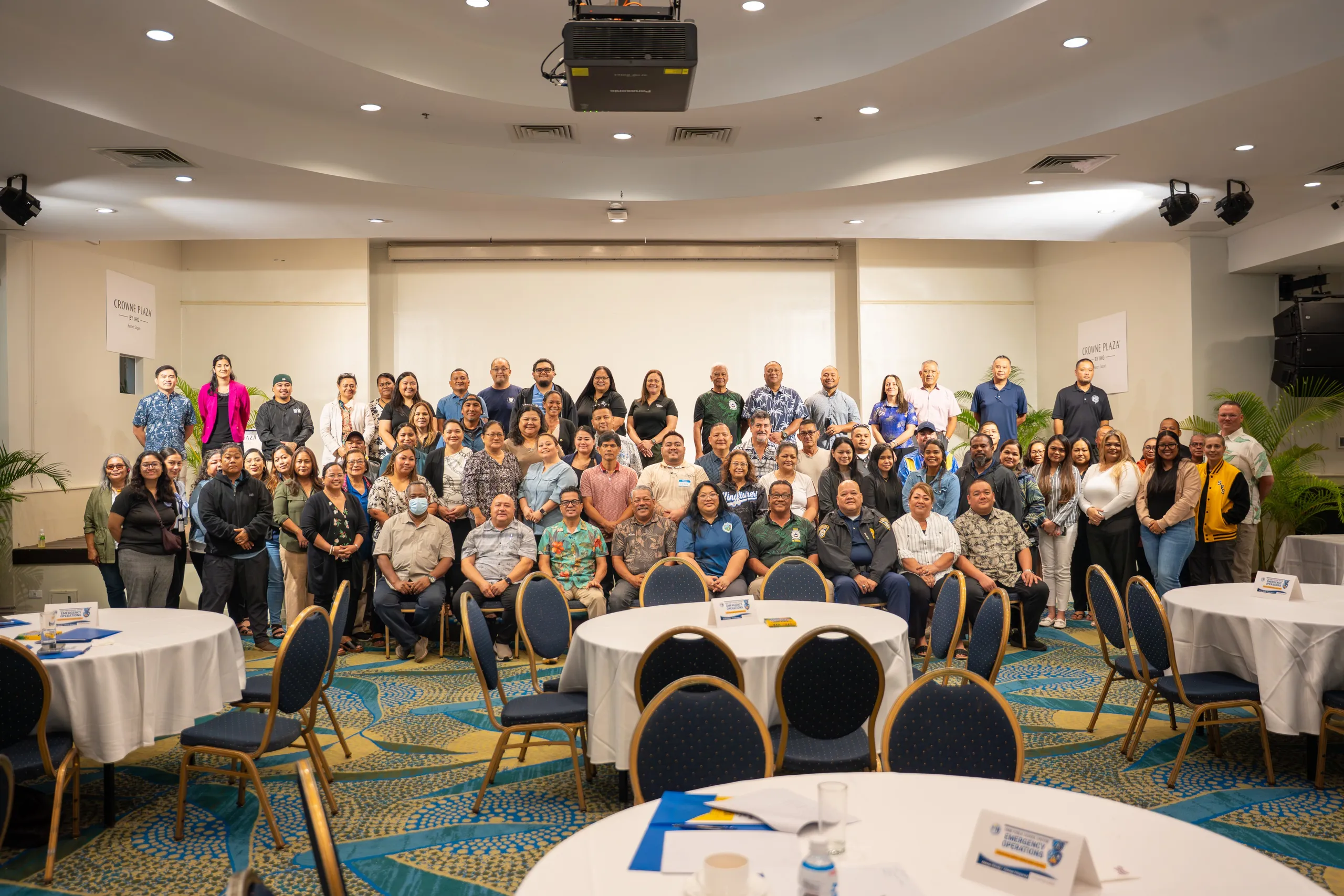
THE Public School System on Tuesday held its first School Zone Safety Collaboration Summit, bringing together government agencies, municipal leaders, and school officials. The summit unveiled a systemwide assessment of traffic risks surrounding public school campuses across the Commonwealth.
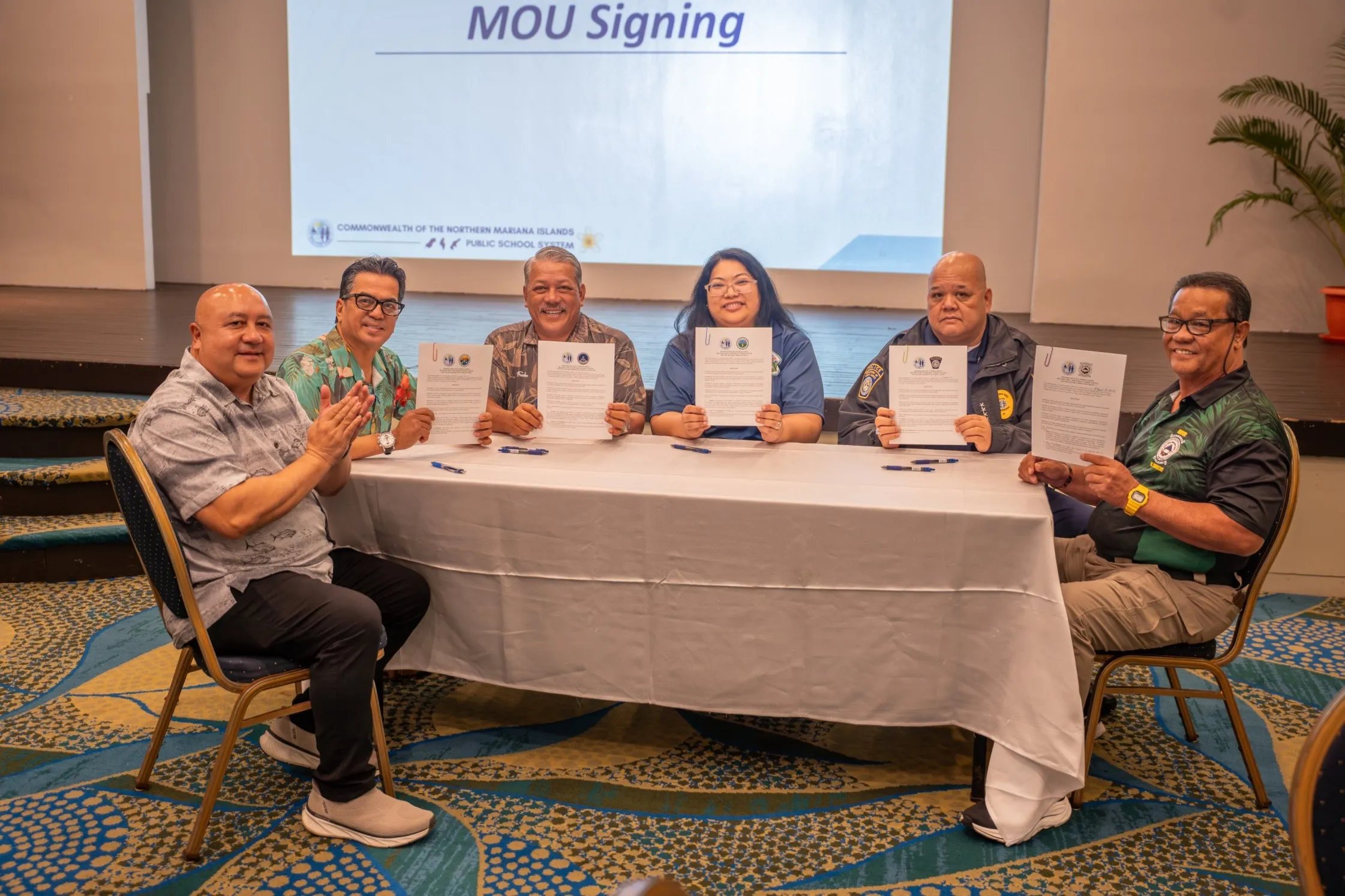
During the event, participating agencies signed a memorandum of understanding formalizing cooperation on school zone traffic and campus safety initiatives. The agreement involved PSS, the Department of Public Safety, the Department of Public Works, and the municipal mayors’ offices of Saipan, Tinian, and Rota. It was signed by Education Commissioner Dr. Lawrence F. Camacho, DPS Commissioner Anthony Macaranas, DPW Secretary Ray Yumul, Saipan Mayor Ramon “RB” Camacho, Tinian Mayor Edwin P. Aldan, and Rota Mayor Aubry M. Hocog.
The summit, held at Crowne Plaza, centered on the newly completed School Traffic Vulnerability Assessment Report, a multi-agency study examining traffic patterns, safety hazards, and infrastructure conditions around all 20 public school campuses on Saipan, Tinian, and Rota. The report resulted from field assessments conducted Jan. 6–23, 2026, involving PSS, DPS, DPW, and all three municipal mayors’ offices.
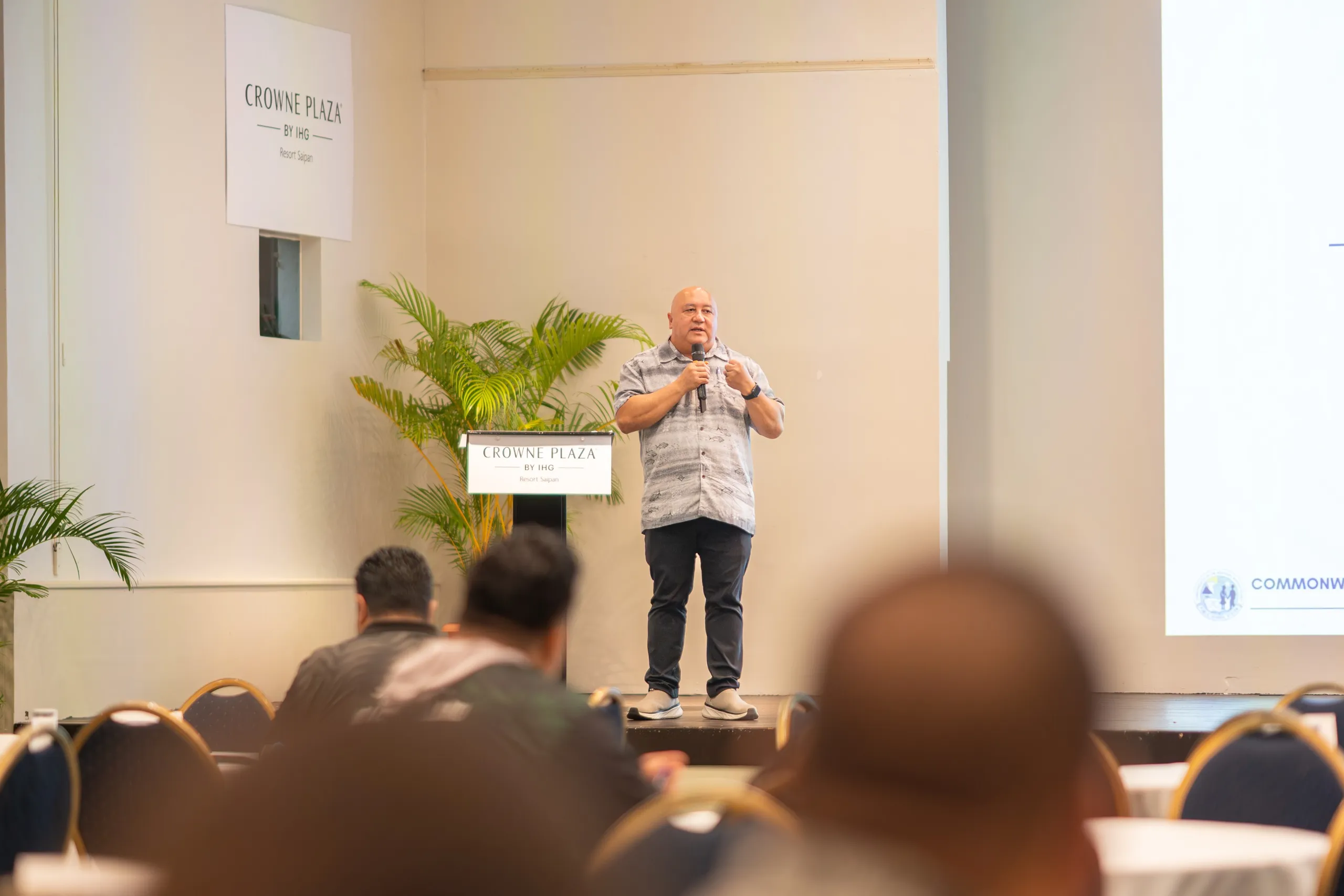
Commissioner Camacho, who opened the summit, said the initiative aims to move school zone safety beyond isolated complaints toward a coordinated, data-driven approach.
“Now we have comprehensive information on each of our campuses — the vulnerabilities, accessibility issues, and what actions are needed to ensure that our students, teachers, staff, and parents are protected,” Camacho said during an interview following the presentation.
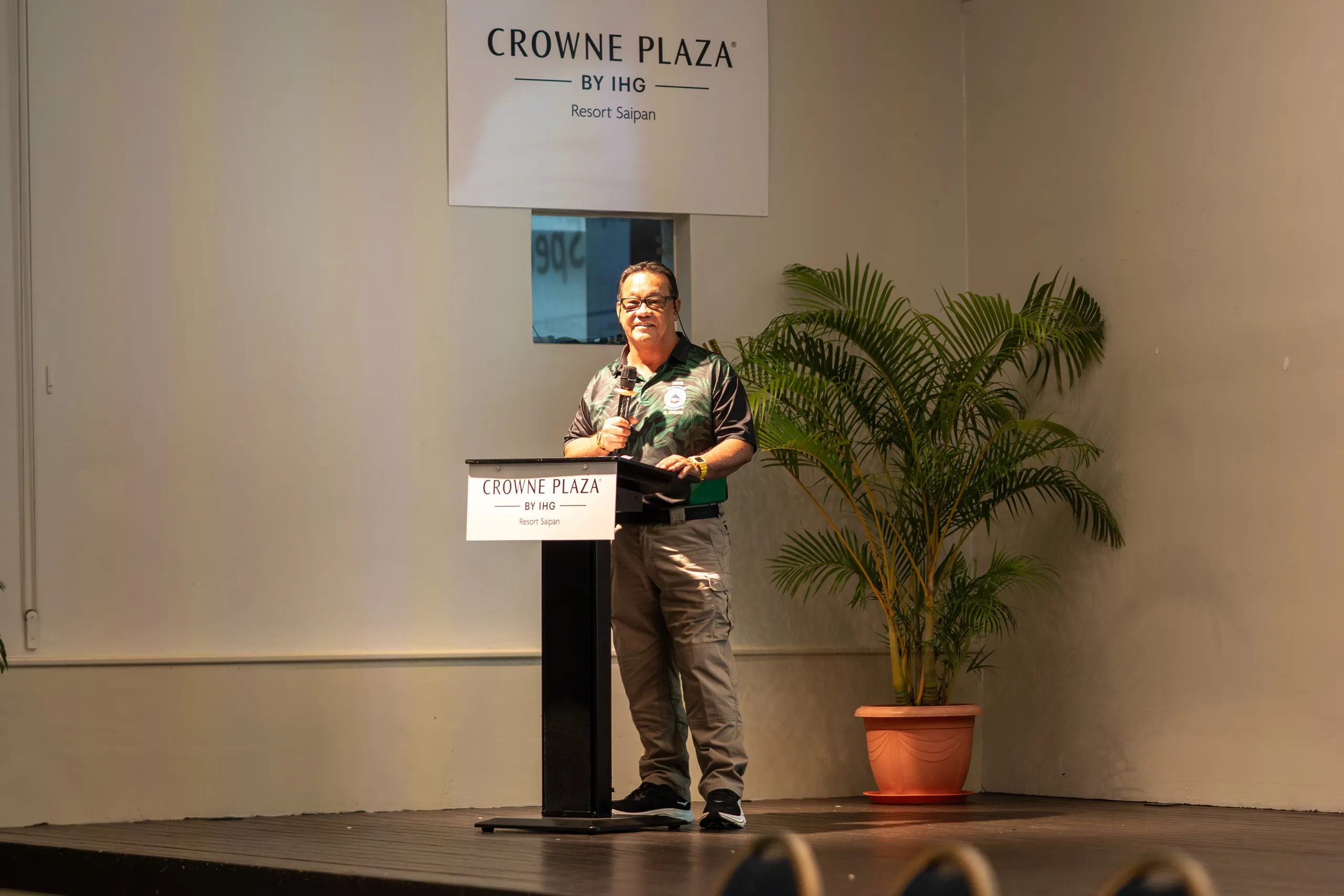
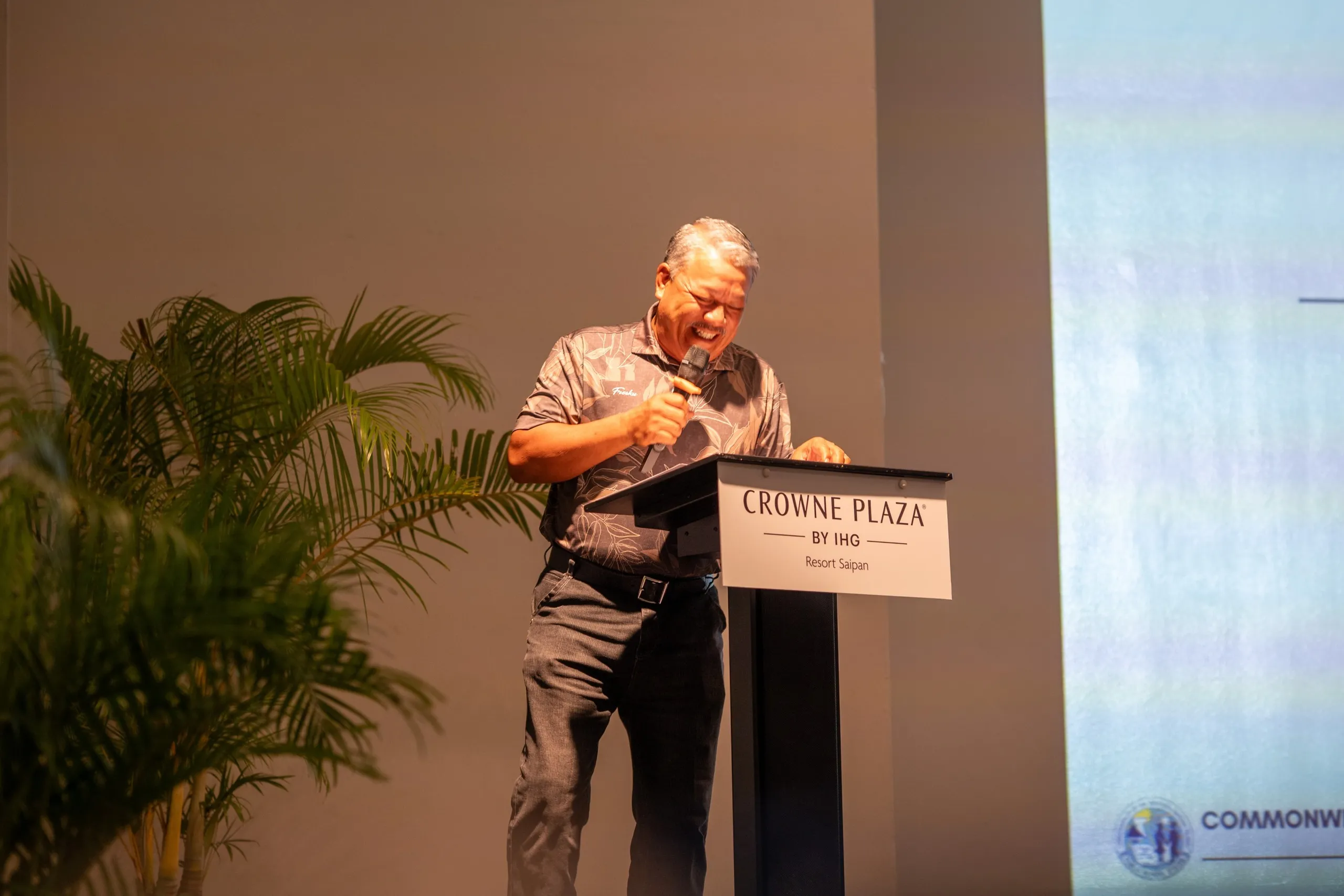
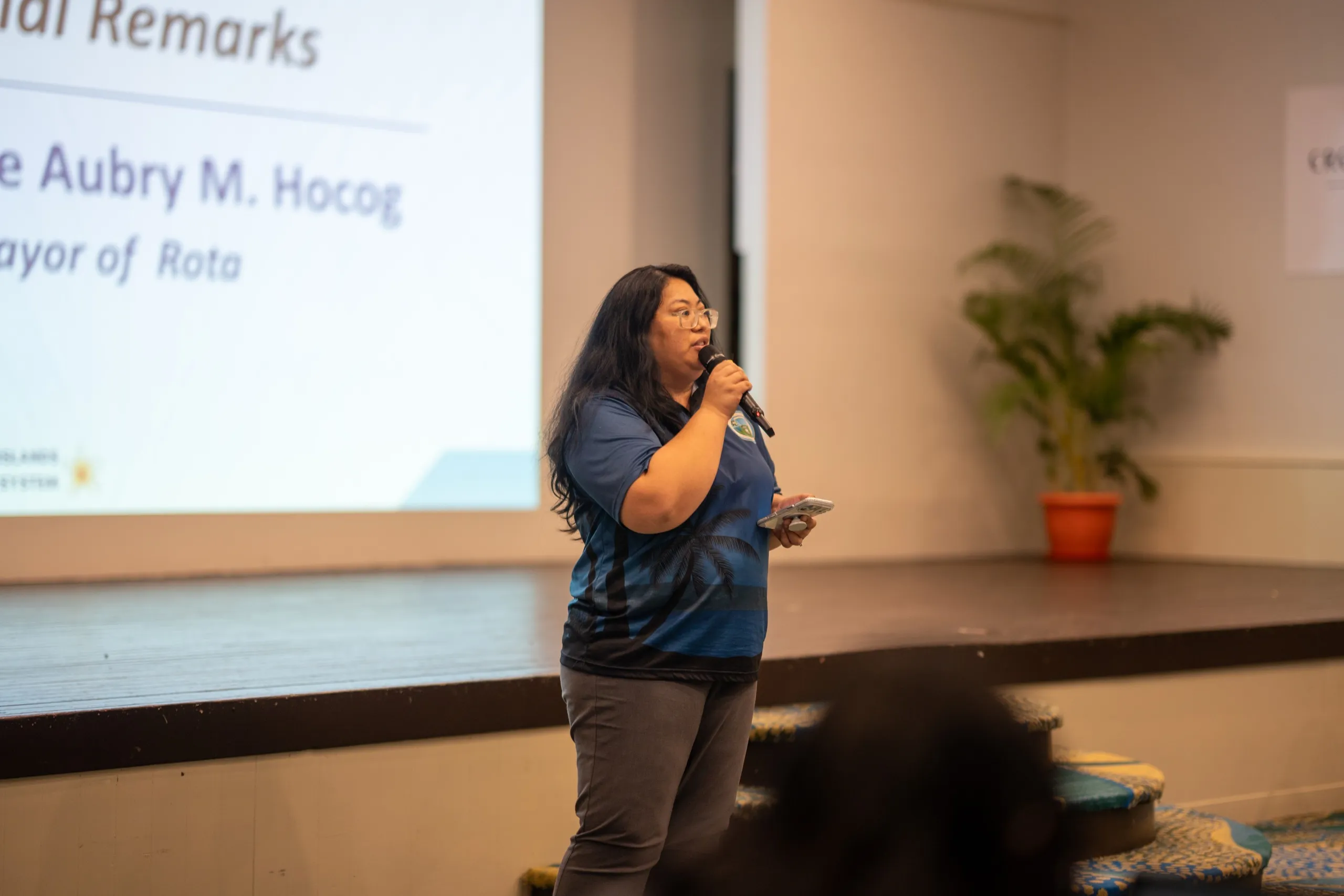
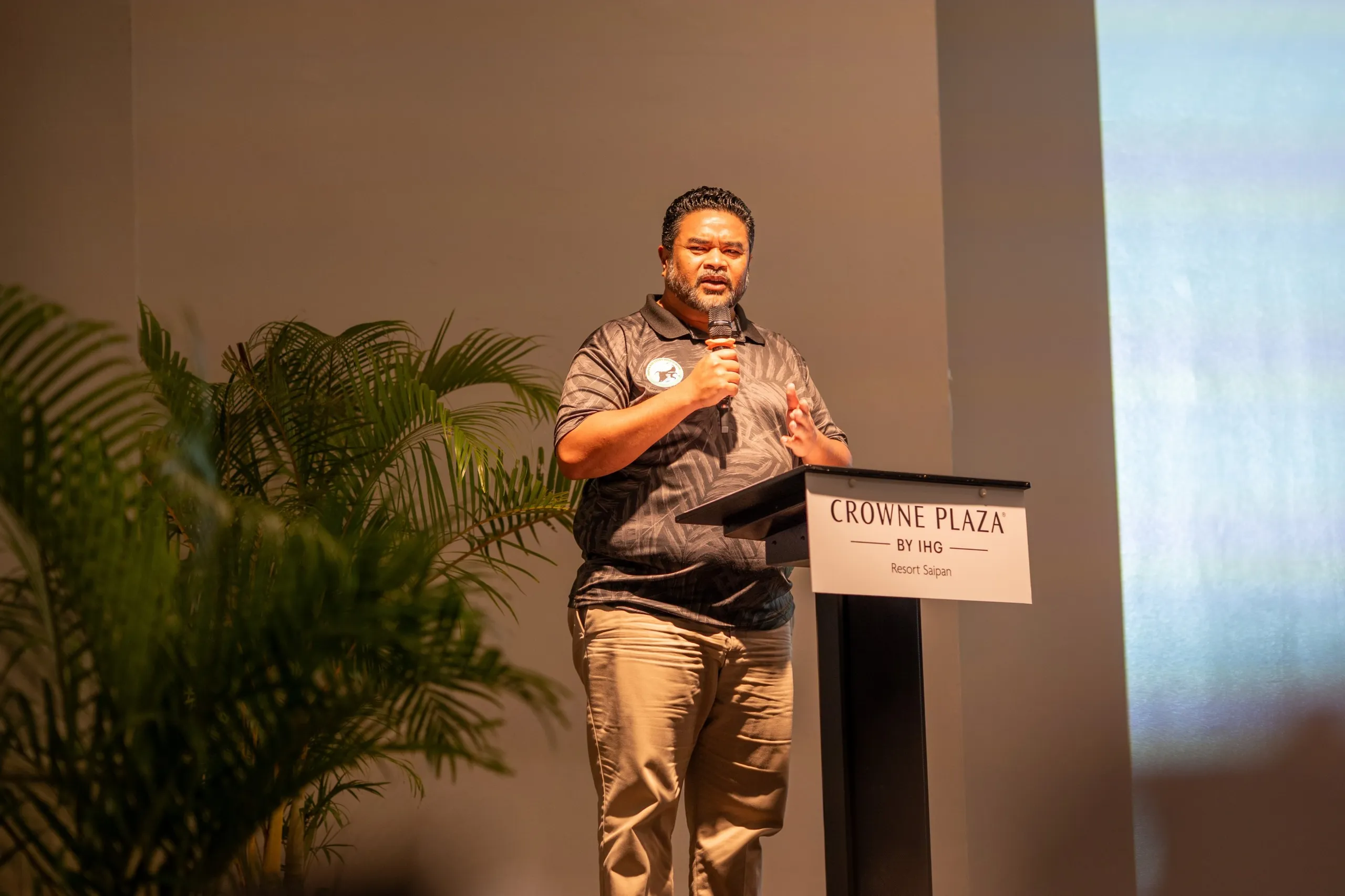
Special remarks were delivered by Saipan Mayor Ramon “RB” Camacho, Rota Mayor Aubry M. Hocog, and Tinian Mayor Edwin P. Aldan.
Observation, coordinated response
The assessment involved site visits to every public elementary, middle, and high school campus across the three islands. Teams from multiple agencies visited schools during morning arrival periods to observe traffic flow, pedestrian access, signage, and potential safety hazards.
“We went out together — PSS, the mayors’ offices, DPS, DPW — and assessed every campus,” Camacho said. “We observed the morning traffic, discussed what we saw, and determined what needed to be done. That process was repeated for all 20 campuses.”
The resulting report compiles these observations into a comprehensive guide that includes campus maps, identified safety risks, recommended traffic controls, and potential infrastructure improvements. The report was prepared by Anthony A. Frank, PSS’s emergency operations manager, and compiled into a systemwide reference document now being shared with school leaders, municipal officials, and partner agencies.
School zone congestion
School zone traffic has become an increasing concern in recent years as enrollment patterns, private vehicle use, and school transportation demands have evolved. Many campuses face congestion during morning drop-off and afternoon dismissal periods, particularly where roadways, pedestrian crossings, or signage were not originally built to accommodate current traffic volumes.
“This is important because we cannot solve these issues alone,” Camacho said. “School zone safety involves roads, traffic enforcement, engineering, and community awareness. It requires multiple agencies working together.”
Multi-agency commitments
During the summit, representatives from DPS, DPW, and the mayors of Saipan, Tinian, and Rota joined PSS officials in reviewing the report’s findings. Mayors and agency leaders discussed potential improvements ranging from additional signage and road markings to traffic enforcement coordination and physical infrastructure changes near campuses.
Officials said the summit marks the beginning of the implementation phase. Maps, diagrams, and traffic analysis from the assessment were displayed during the event to guide discussions among principals, government officials, and community stakeholders.
Community phase to follow
Camacho said the next step will involve community engagement. PSS plans to organize cluster-based town hall meetings with Parent-Teacher-Student Associations, allowing parents and residents to review the findings for their schools and discuss possible safety improvements.
“This is just the beginning,” Camacho said. “We now have the information. The next step is working with the community and our government partners to implement solutions that will improve safety around our schools.”
Education officials say the effort represents the most comprehensive traffic safety review conducted by the school system in recent years, with the goal of establishing a consistent standard for school zone safety throughout the Commonwealth.
Emmanuel “Arnold” Erediano has a bachelor of science degree in Journalism. He started his career as police beat reporter. Loves to cook. Eats death threats for breakfast.
