




By Bryan Manabat
[email protected]
Variety News Staff
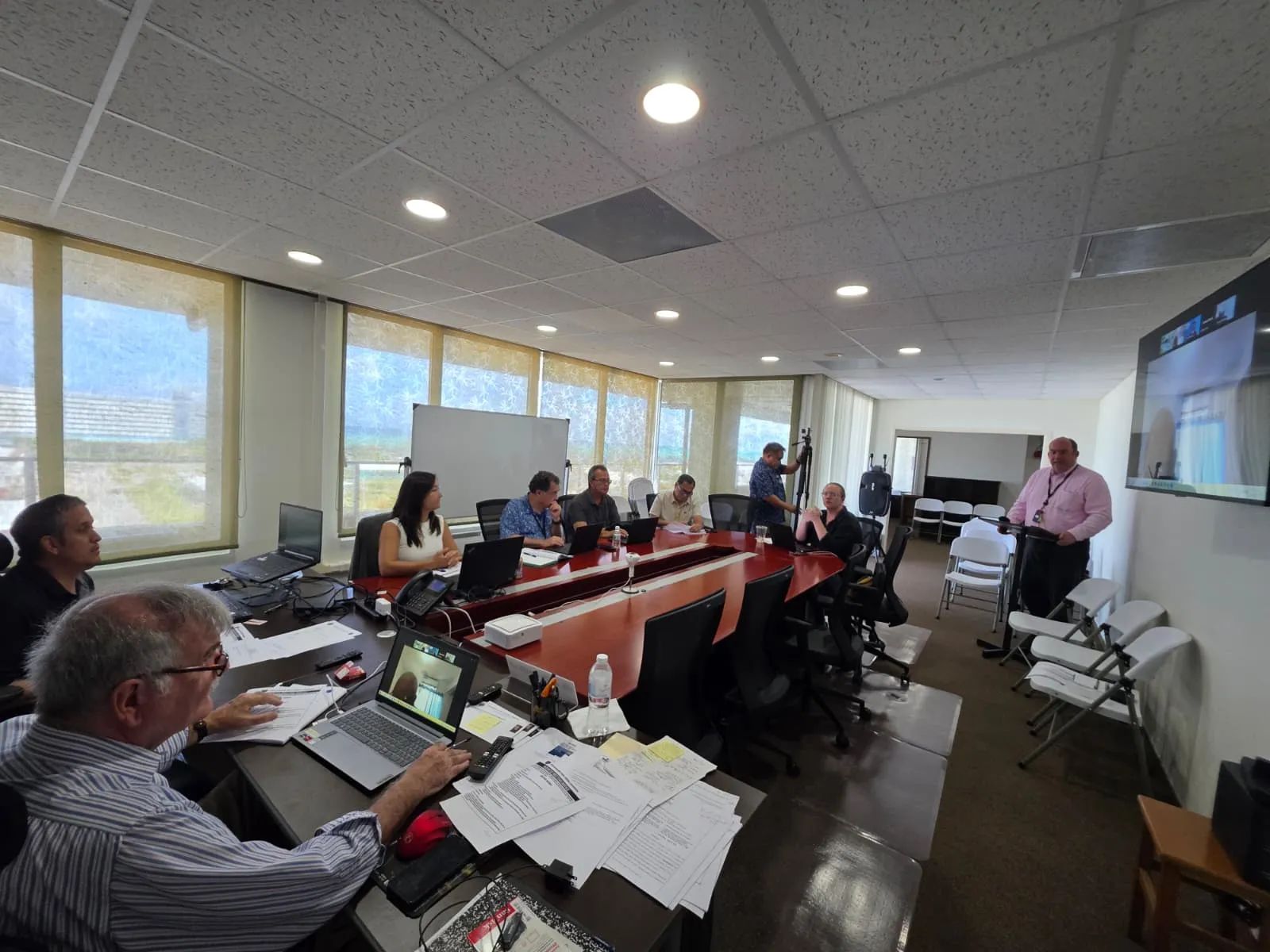
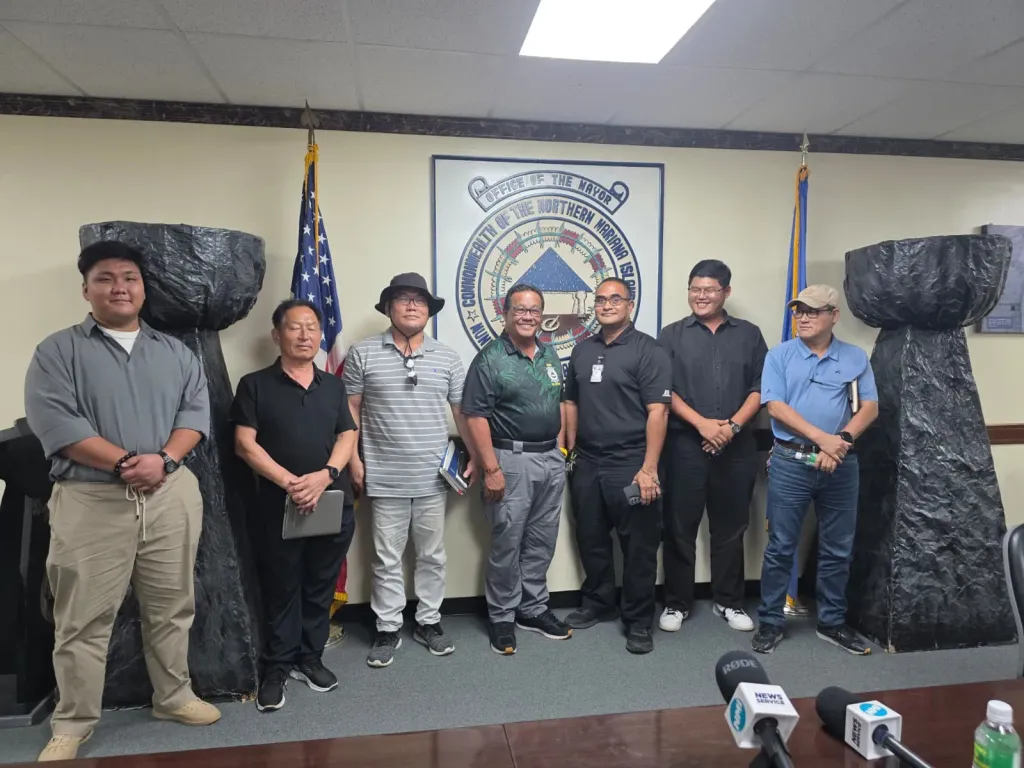
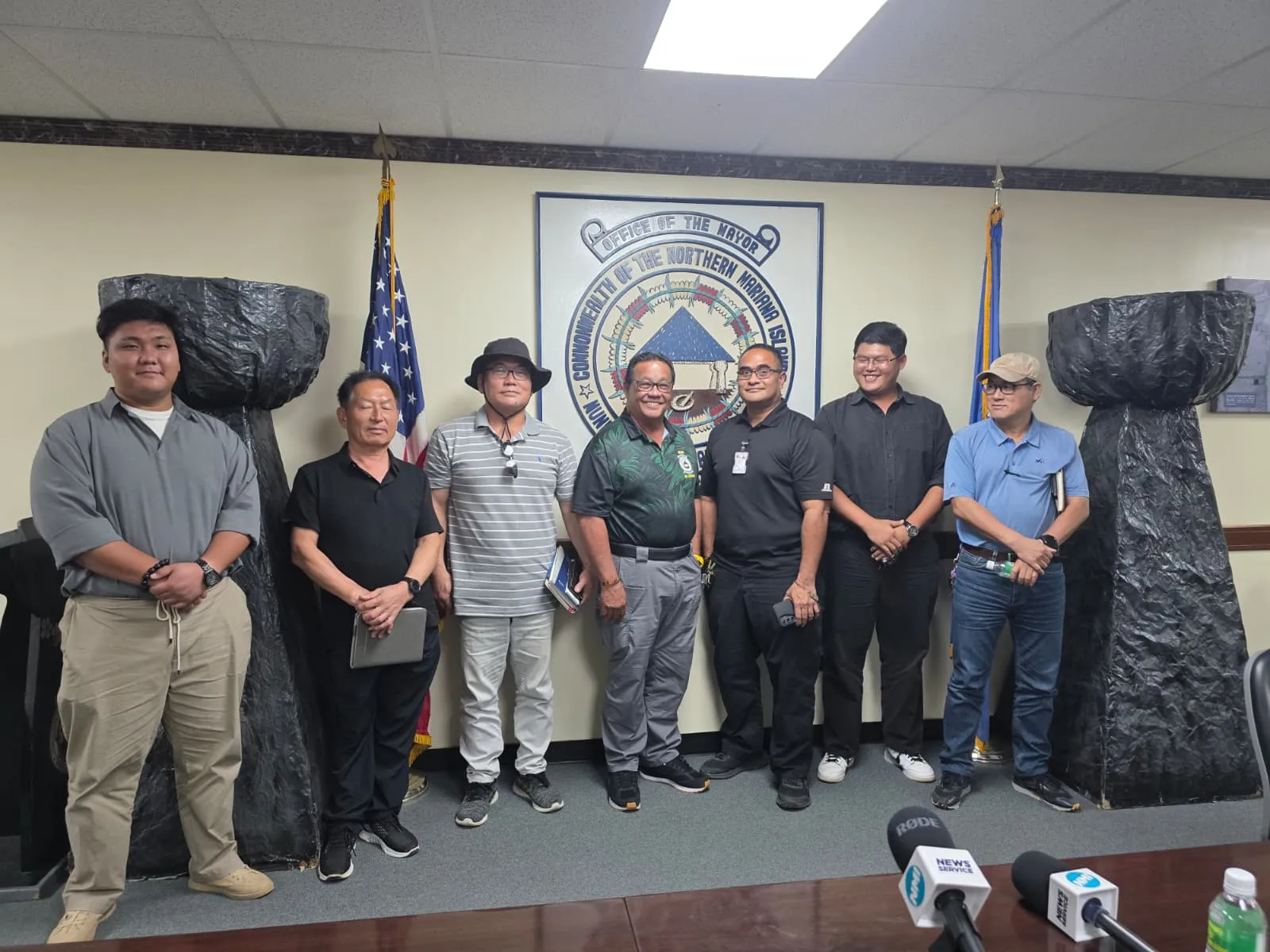
BECAUSE of a recent spike in copper wire thefts and vandalism across Saipan, Mayor Ramon “RB” Camacho convened a meeting Thursday with recycling operators and the Department of Public Safety to strengthen regulations, improve screening practices, and prevent stolen materials from entering the recycling stream.
Representatives from Pacific Line Recycling, FSM Recycling, Art Man Corp., and Artman Trash attended the meeting, along with DPS Criminal Investigation Bureau Commander Capt. Jeff Olopai and DPS Special Operations Group Commander Joe Saures.
Camacho said the CNMI’s economic challenges make it even more important for legitimate businesses to operate safely and avoid potential legal issues.
“The purpose of this meeting is the rise of copper wire theft in our community,” Camacho said. “There’s a law in place for recycling operators to be alert, vigilant, and suspicious of any copper wire transactions. There’s a gap somewhere because some recycling centers are still accepting copper. We need to work together and not entertain suspicious individuals bringing in copper that obviously isn’t from residential homes.”
Camacho said the goal is to build strong partnerships with recycling companies, discourage the illegal sale of stolen copper, and deter would-be thieves. He emphasized that visible cooperation — strict ID checks, documentation, and prompt support for DPS investigations — is the most effective deterrent.
Recyclers outline procedures
FSM Recycling’s Michael Tang said his company has already tightened its screening process.
“For the past three months, unless sellers are verified companies or verified from a project site, we stop purchasing copper,” Tang said. “We ID and screen everyone. Police come by often, and we’re open with our security cameras and receipts. We do careful screening to protect our business.”
Tang said most legitimate copper sellers are licensed electrical companies.
Pacific Line Recycling’s Edwin Huang said his company maintains detailed records and cooperates fully with government agencies.
“We keep all records, forms, and IDs from people who sell to our yard, and we provide copies to government agencies when required,” Huang said. “Commerce comes monthly to double check our reports. We hold copper for a minimum of 90 days so DPS can verify if anything is stolen.”
Huang added that most copper they receive is scrap metal that cannot be refurbished and is exported annually, primarily to South Korea.
Recycling operators also noted that there is no law preventing them from buying metal appliances, and there is no reliable way to determine whether such items are stolen unless they involve copper wiring or piping.
DPS: Copper thefts now ‘rampant’
Olopai said copper wire thefts have become “rampant,” with DPS responding to five or six cases in the past two months, including recent incidents at the former Kanoa Resort, Garapan Central Park, and the former DFS T Galleria in Garapan.
He said thieves typically target closed businesses or abandoned structures with thick-gauge industrial copper wiring. Identifying stolen copper remains difficult because once the insulation is stripped, it becomes nearly impossible to match to a specific crime scene. DPS sometimes brings in Commonwealth Utilities Corporation experts to distinguish between residential and industrial wiring.
“Stricter regulations would help us a lot,” Olopai said. “But identifying the source is the toughest challenge.”
He added that some suspects are repeat offenders who return to copper theft shortly after release.
Deterrence
Camacho said bringing all recycling operators together for the first time sends a clear message.
“Starting today, whoever is thinking of committing copper wire theft must be alert now, because the recycling companies are fully aware,” he said. “I want to see you continue your business because the government needs you. We just need to work together and be vigilant.”
The mayor urged residents to seek legal ways to earn income rather than stealing property.
“If you need money, there are other ways,” Camacho said, suggesting selling topsoil through the farmers association or fishing. “People work hard for their materials. We need a safe community. The economy is already struggling, and businesses are shutting down. We must be proactive.”
Bryan Manabat was a liberal arts student of Northern Marianas College where he also studied criminal justice. He is the recipient of the NMI Humanities Award as an Outstanding Teacher (Non-Classroom) in 2013, and has worked for the CNMI Motheread/Fatheread Literacy Program as lead facilitator.
