





From cleanup campaigns to airport upgrades, the task force takes decisive steps to ensure a revitalized and visitor-ready travel sector

The Northern Mariana Islands is taking decisive steps to revive its tourism industry through the coordinated efforts of the Tourism Recovery Task Force, formed under the Governor’s Council of Economic Advisers.
The task force is pushing a mix of quick-impact projects and long-term strategies aimed at restoring visitor confidence, boosting the economy, and strengthening community pride.
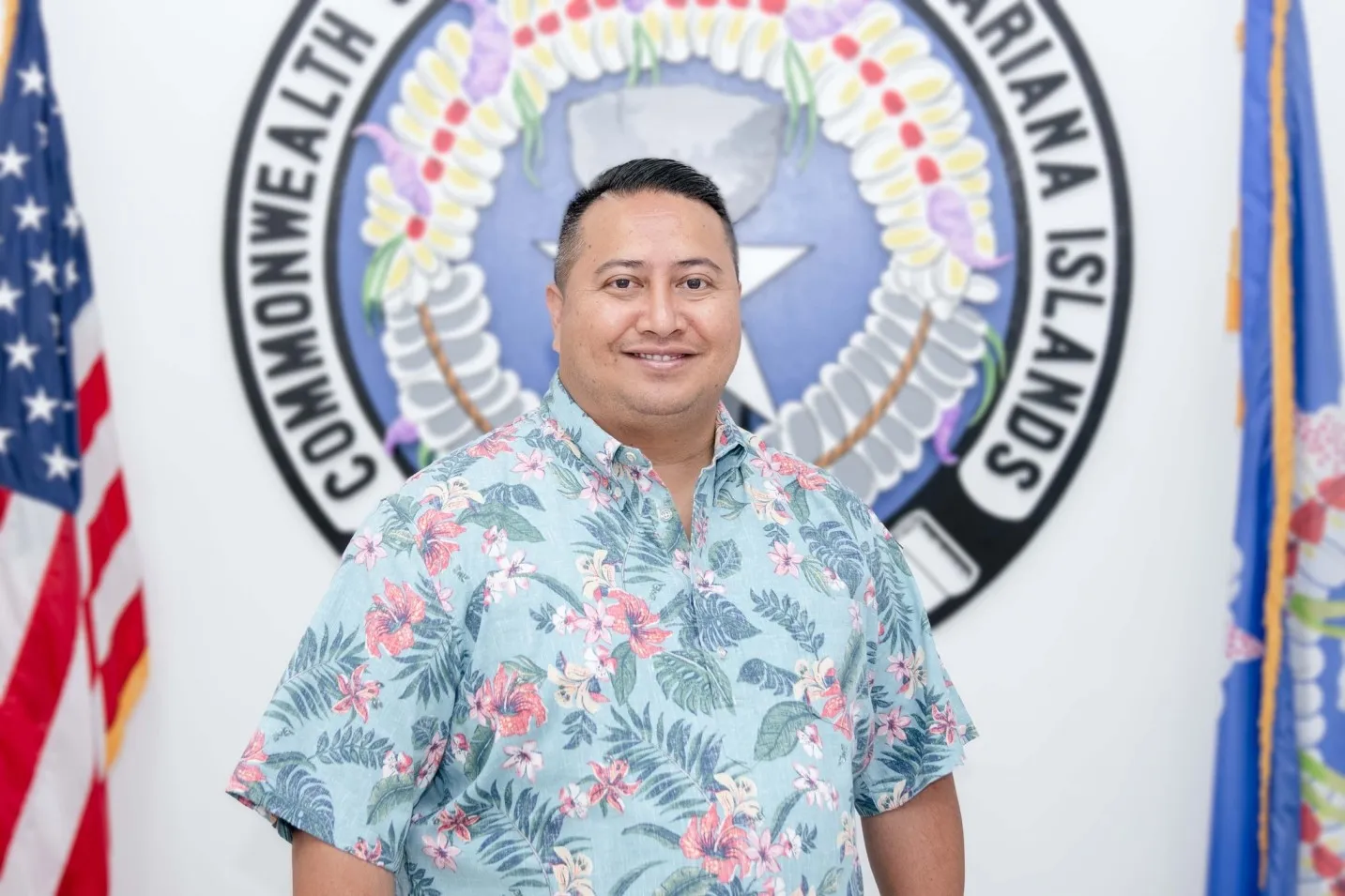
At a recent press conference, Alex Sablan, chair of the GCEA’s Tourism, Infrastructure and Sports Committee outlined the task force’s mission and immediate priorities, stressing the need for flexible funding, cross-agency coordination, and swift action.
“There are a lot of nuanced conversations that are not within the enabling acts of these particular organizations,” Sablan said. “We needed a space where public- and private-sector leaders could come together and talk frankly about the systemic issues that have held back our tourism recovery.”
A top priority is identifying funding sources for rapid site improvements.
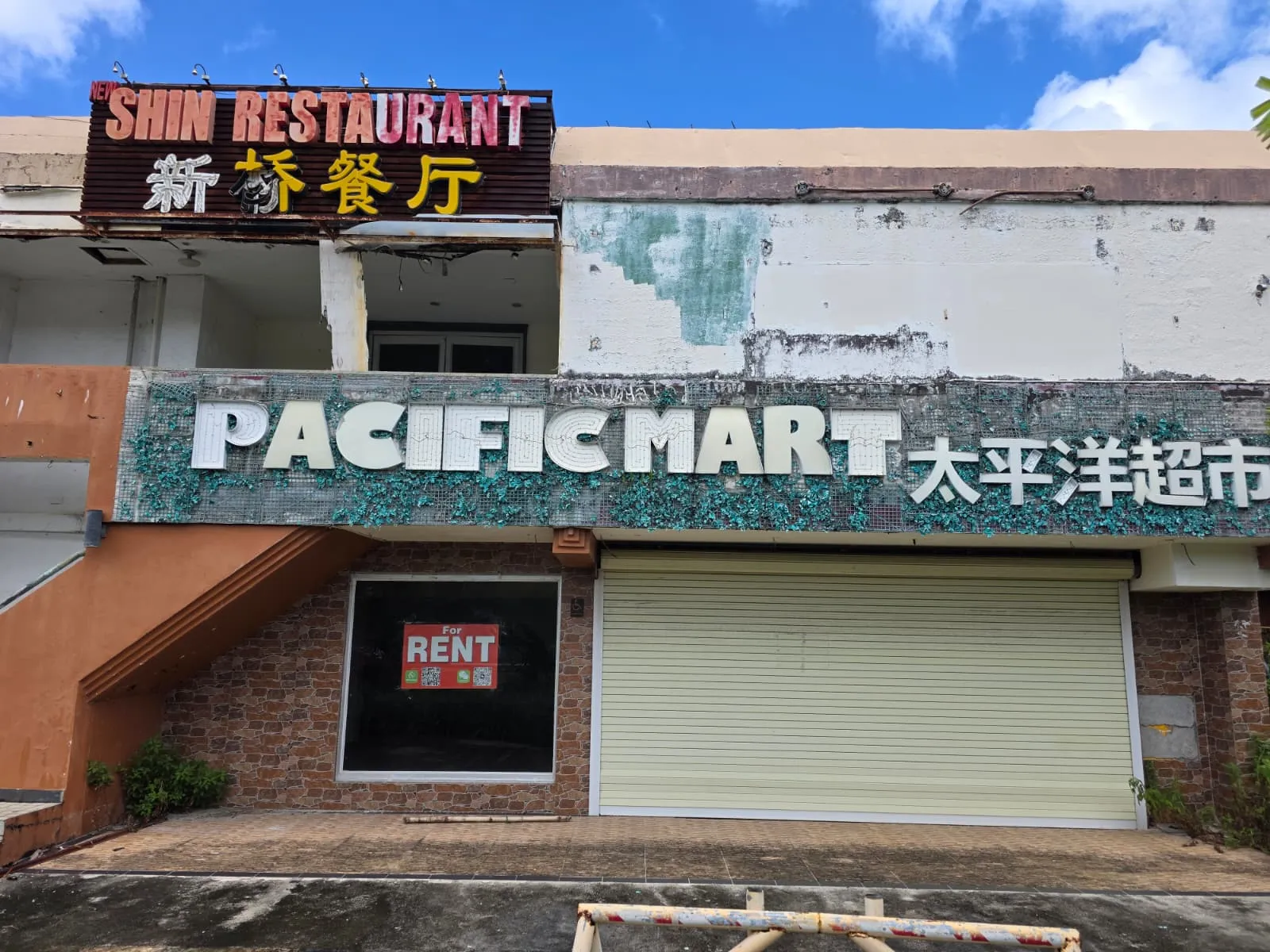
“One of the immediate goals right now is to find pots of money that are available,” Sablan said. “We had a good conversation with the Marianas Visitors Authority, for example, about reallocating funds within their budget to support destination enhancement—things like rehabilitating tour sites, fixing gates and fences, water blasting, and painting.”
“Some of these sites just need a little love. Others need major work,” he added. “But we can’t wait—we have to move quickly.”
The task force is coordinating with the Department of Public Lands, Department of Public Works, Parks and Recreation, and the mayor’s offices on Saipan, Tinian, and Rota.
“We’re working with Department of Corrections Commissioner Torres and others to get boots on the ground,” Sablan said. “We’re not just talking—we’re doing.”
Sablan also highlighted plans to upgrade the CNMI airport’s arrival and departure areas. “We did a walk-through at the airport,” he said. “We want to add value—charging stations, lounge chairs—especially in those early morning hours when travelers are tired and just need a place to rest.”
Beyond infrastructure, the task force is encouraging community involvement through cleanup campaigns and public input. Joseph Guerrero, GCEA co-chair, stressed the importance of grassroots engagement.
“We need to empower our communities to take ownership of our shared spaces,” Guerrero said. “Whether it’s a village trail or a tourist site, local pride and participation are key to sustaining these improvements.”
The task force is also compiling a list of priority projects through agencies such as the Commonwealth Ports Authority and MVA, ranging from low-cost repairs to larger revitalization initiatives that may require outside funding and legislative support.
“We’re not just chasing quick wins,” Sablan said. “We’re laying the groundwork for a sustainable, long-term recovery that benefits both our visitors and our local residents.”
Public-private partnerships remain central to the task force’s strategy, supporting sports tourism, student travel, and community cleanup efforts.
“We still have tools from the last typhoon recovery that can be issued out to help with this effort,” Sablan said. “We’re not starting from scratch—we’re building on what we’ve already done.”
As the CNMI works toward economic revitalization, the Tourism Recovery Task Force is positioning the islands for a more resilient and visitor-ready future.
According to the MVA, key tourist sites on Saipan are scheduled for major renovations in 2026.
