



Philip Maestri, USDOE’s director of risk management service, is here with senior risk consultant Christine Jackson.
“The federal programs that the CNMI receive have all specific purposes and can’t be used to supplement the basic education issues here,” he told Variety. “The things that we have done or the federal dollars we’re providing are not intended to substitute local dollars.”
PSS received a total of $192.7 million in federal assistance from 1999 to 2007.
Acknowledging the limited local budget and resources of PSS, Maestri said the USDOE continues to help address the lack of teachers in the CNMI through programs that will develop the skills of current teachers or allow PSS to hire new ones for specific federal programs.
The CNMI’s education funding dilemma is not unique, he added.
“We’re confident that the CNMI is dealing with these challenges appropriately,” Maestri said. “We come twice a year here and I think we find everything in good order. The [Board of Education] works very hard to provide the kind of education and programs needed by students, the staff are capable and the USDOE is very pleased to see the continued progress. The scores for the students are going up and performance is increasing.”
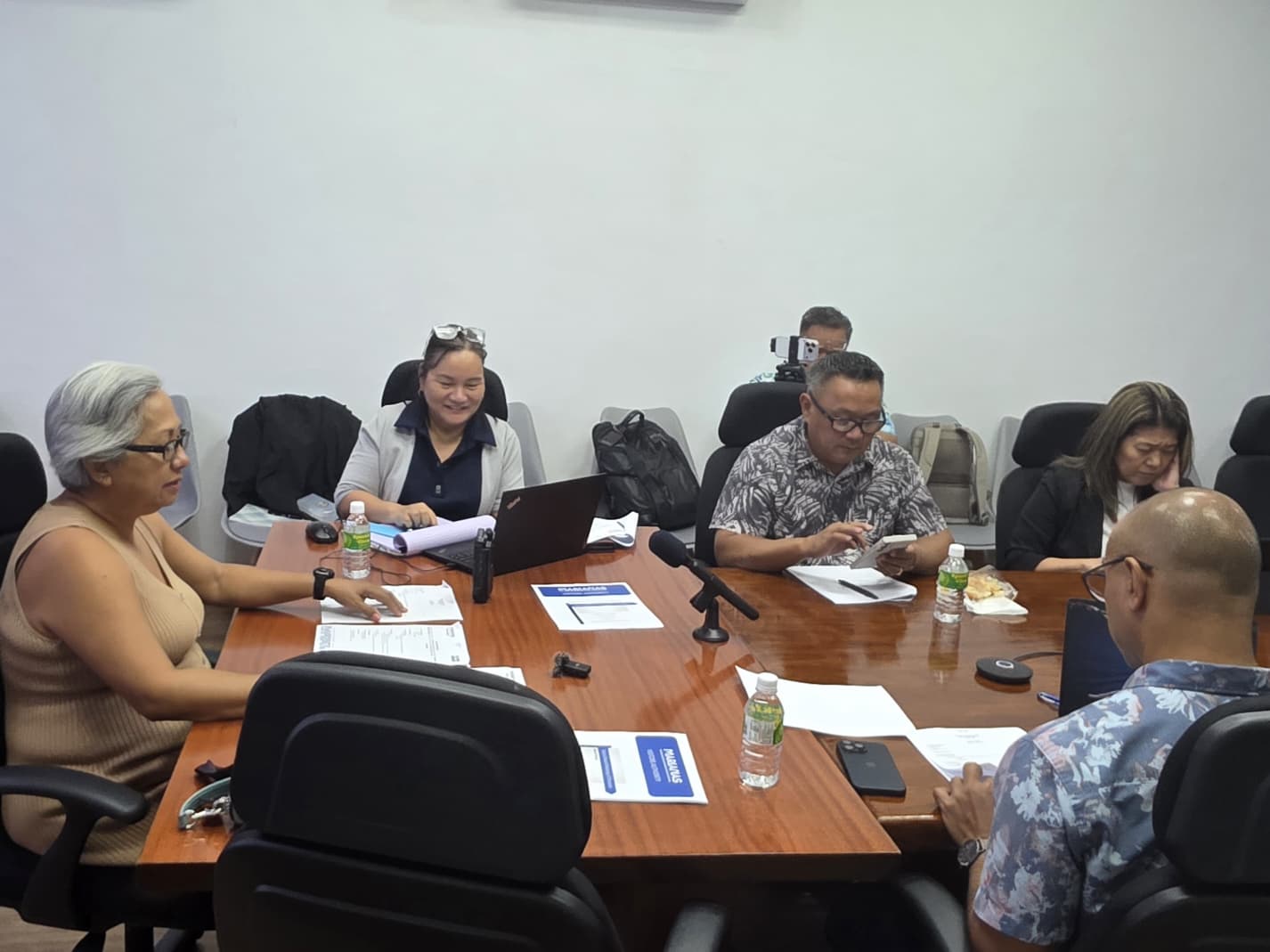
Maestri and Jackson met yesterday with Commissioner of Education Rita A. Sablan and the BOE members.
“Our expectation is for them to continue what they’ve been doing and we’re very happy about what we’ve seen here over the last years. The USDOE is impressed by the numbers that they pull out from the students and with the new commissioner, we have every reason to believe that she’s capable to do the job and continue the good performance of CNMI-PSS,” Maestri said.
Maestri and Jackson declined to compare the local PSS with Guam’s.
But he noted that several years ago, Guam and CNMI were considered high risk grantees. The CNMI immediately addressed the USDOE’s concerns, Maestri said.
Jackson described their visit as “refreshing, encouraging and rewarding.”
