





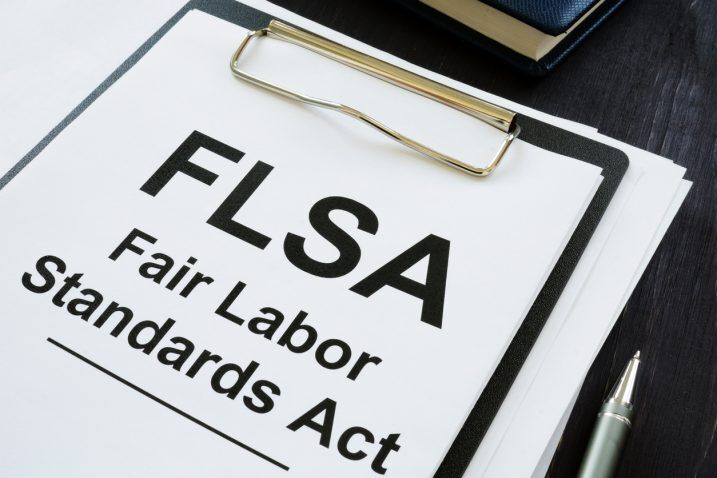

RNV Construction and its affiliates “wholeheartedly deny” the allegations made by a few of their former employees that they violated the Fair Labor Standards Act, the defendants’ attorney, Michael Dotts, said.
“We are always careful to pay the correct wage and comply with the law. What is alleged in the complaint is not true,” said Ruel R. Villacrusis, the general manager of RNV.
“Since RNV’s inception in 1998…, RNV has been paying all overtime work at the rate of time-and-a-half (1.5x) of the regular rate. RNV does not delay payment of wages and never has. RNV has even been paying more than the minimum wage for many of its employees and provides benefits to all employees,” Villacrusis added.
The timing of the filing of the complaint is suspect, Dotts said.
Five of the employees involved were affected by the “touchback” rule of U.S. Citizenship and Immigration Services, and two others were issued a Notice of Intent to Revoke by USCIS, Dotts said. “The company provided them with tickets back to the Philippines. Six of the seven are believed to have remained on Saipan. RNV Construction is committed to its core values of treating each employee with respect and dignity and complying with all laws,” Dotts added.
“RNV intends to vigorously defend the case,” he said.
Prospero A. Armia, Nemencio Q. Deleon, Giovan Malazarte, Ian R. Alcoseba, Ranie E. Celestial, Rudy B. Naraja, and Victor P. Fraginal, through attorney Colin Thompson, are alleging that they were not paid overtime in violation of the Fair Labor Standards Act or FLSA.
Their lawsuit named RNV Construction and its affiliates Best Deal General Merchandise and CorePlus Construction as defendants.
The plaintiffs are demanding a jury trial and are asking the District Court for the NMI to issue an order awarding them overtime compensation for all hours they worked in excess of 40 hours.
They also want the defendants to pay the plaintiffs an amount in equity for all unpaid services, tasks, and work done.
They are asking the court to find the defendants liable to pay the plaintiffs an equal amount of liquidated damages, plus prejudgment interests, and reasonable attorney’s fees and costs.
Moreover, the plaintiffs said the court should impose appropriate sanctions and penalties against the defendants “to deter future violations regarding willful failure to pay wages to employees.”
