





ROTA government officials and a local businessman on Monday testified against tax hike proposals, saying the ones who will carry the burden are the poor.
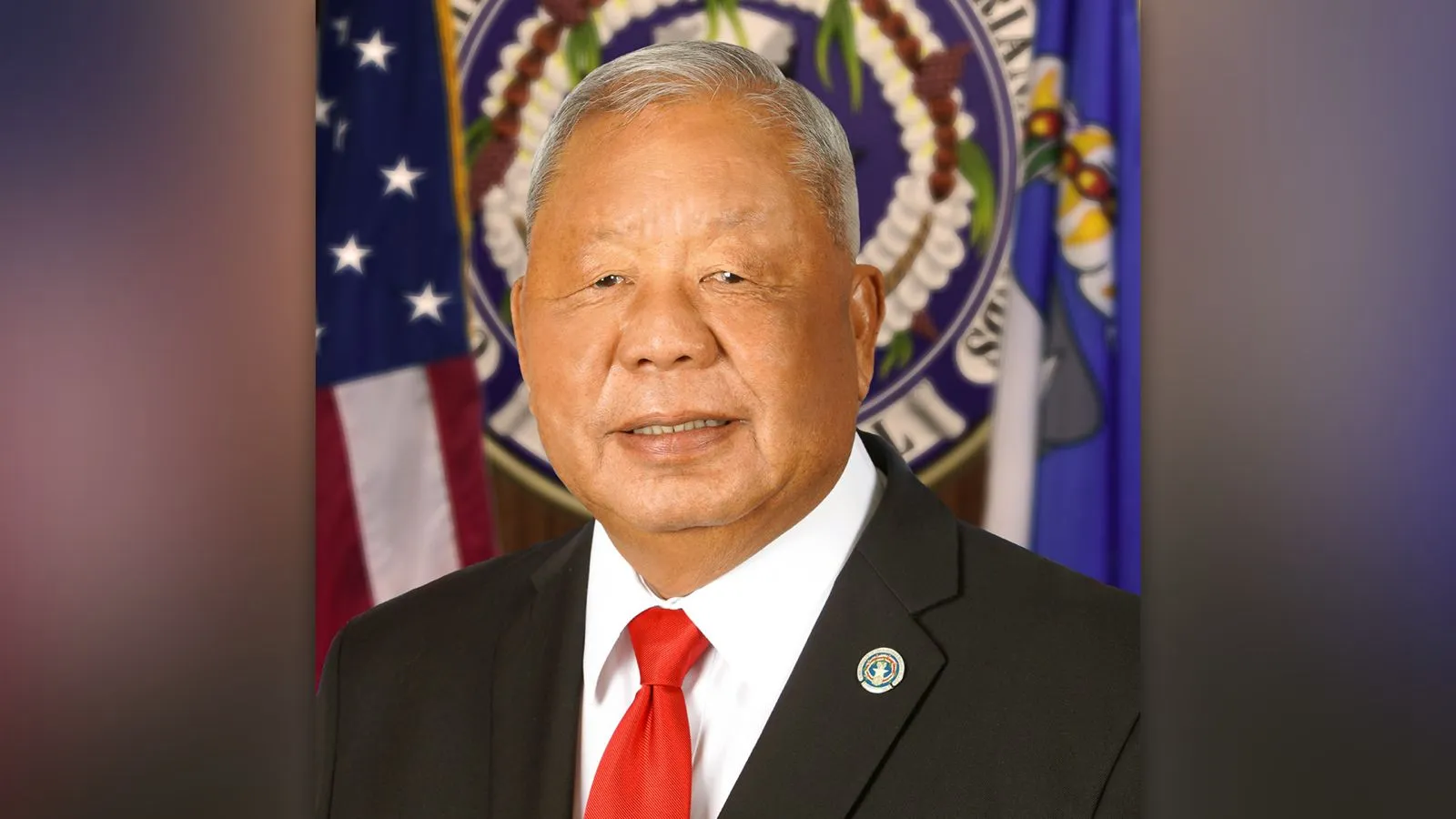
Chaired by Senate Vice President Donald Manglona, the Senate Fiscal Affairs Committee conducted its second public hearing regarding the following measures:
1) House Bill 23-7, to increase the tobacco tax to $5 from $3.75.
2) H.B. 23-41, to impose a $5 excise tax on imported betel nut.
3) H.B. 23-68, to impose a 10% ad valorem tax on private individuals buying vehicles outside the CNMI.
4) H.B. 23-78, to increase to 15 cents from 5 cents the tax on soft drink and alcoholic beverage containers.
5) H.B. 23-74, to impose a 3% tax on construction activities that cost over $250,000.
In a public hearing on Jan. 19, 2024, Tinian officials who testified said they did not oppose the tax hike proposals as long as these would provide additional revenue to their island.
Manglona said they will schedule another public hearing, this time on Saipan. Afterward, the committee will convene again to discuss the tax measures and the comments from the residents of Rota, Tinian and Saipan, he said.
On Tuesday, those who testified during the public hearing at Rota Centron Hustisia in Sinapalo expressed opposition to the tax hike proposals.
Disproportionate burden
Office of the Mayor Chief of Staff Dean Reynold Manglona testified on behalf of Rota Mayor Aubry Hocog, who could not attend the public hearing due to an earlier commitment.
Dean Reynold Manglona said while they at the Rota mayor’s office appreciate the intent to generate more revenue for the government, they believe that the tax measures would impose significant drawbacks on public health and the economic well-being of the community.
On H.B. 23-7, he raised the following concerns:
1) Impact on public health. He said increasing the tobacco tax disproportionally burdens low-income individuals and families who are more than likely to be smokers. While this may lead to decreased smoking rates, he said the bill raises concerns about exacerbating existing health disparities within the community. Additionally, focusing solely on taxation without comprehensive public education and smoking cessation programs may not deliver the desired public health outcome, he said.
2) Economic impact. Dean Reynold Manglona said higher tobacco taxes can negatively impact small businesses. “We urge this committee to explore other alternative revenue sources that do not have [a] negative effect on economic consequences, [by] focusing [instead] on diversifying [the] economy [through] tourism, agriculture and other sustainable industries that might offer a more long-term and beneficial solution.”
Unintended consequences
Regarding H.B. 23-41, he said although it aims to discourage betel nut use, “concerns exist regarding unintended consequences.” Increased cost would disproportionately impact lower-income communities again, potentially leading to unsafe alternatives or increased dependence on informal unregulated markets, he said.
In addition, he said betel nut holds cultural significance for many CNMI residents. “Implementing the excise tax without due consideration to cultural sensitivity could create social discord and negatively impact community relations,” he said.
Moreover, the bill might adversely affect small businesses and vendors who rely on betel nut sales for their livelihood. This could lead to job losses and economic hardship particularly for specific communities, he added.
Primary concern
Regarding H.B. 23-68, Dean Reynold Manglona said their primary concern is the increased vehicle cost. He said although “it’s only 10%,” the tax would definitely burden Rota’s local residents particularly those who are seeking more affordable options of buying vehicles outside of the CNMI. The impact on middle- and lower-income families would create an additional financial hardship on an island that is already struggling, he added.
The mayor’s office, he said, is concerned about the bill’s negative economic impact. He said it might deter residents from purchasing vehicles outside the CNMI, potentially harming local businesses that rely on this segment of the market. This could lead to loss of revenue and reduce competition within the local auto industry, he said.
He added that implementing and enforcing the proposed tax could also create a complex and costly administrative burden for both government and vehicle owners.
Equity concerns
As for H.B. 23-78, Dean Reynold Manglona said the mayor’s office opposes it because increased taxes often disproportionately burden low-income families and individuals who spend a higher percentage of their money on goods like beverages. The measure, he said, raises equity concerns and has a potential negative impact on the community’s well-being. He said while the bill aims to deter consumption, concerns exist about its effectiveness. He said revenue gains might be offset by a decrease in sales impacting businesses and potentially leading to job losses.
A major burden
Regarding H.B. 23-74, he said the mayor’s office is opposed to its passage “simply because it discourages development on our island.” He said with development costs going up, a 3% tax increase would definitely impose a major burden on businesses.
Still, “should any of these bills pass, all I ask is that this committee put in additional funding for enforcement. We just want to make sure that agencies are adequately funded to help enforce them,” he added.
Very expensive
Commenting on H.B. 23-68, Rota Municipal Council Chairman Jim Atalig told lawmakers, “As you may know, Rota is very expensive.”
Just bringing a vehicle to the island would cost between $5,000 and $6,000, he said, adding that the island’s stevedoring company “charges a lot.”
“So it will really put a burden on our people,” he said, referring to the bill.
“It’s hard. This 10% [tax] is just too much for our local people,” he added.
The tax hike proposed by H.B. 23-78 will also burden the people of Rota, Atalig said.
He said, “We should all come together to find a way to help our people, not to put a burden on them.” He noted that a can of corned beef on Rota is $8 and the gasoline price is almost $7 per gallon.
“I ask the members of this body, please think about us here on Rota because it’s hard. I know that everyone of you has a heart for Rota, so please think about our life here, the cost of living here, which is very expensive,” Atalig said.
Very hard
Finance Resident Director Avery H. Calvo said, “The bills that you have before us are very hard.”
She added, “As much as I understand the reasoning behind … these revenue-generating bills,” they would affect Rota “much more and disproportionally than … Saipan and Tinian.”
“So I would like for you guys to go back and maybe make some adjustments to these bills so that you guys can address the disproportional economic impact on Rota,” she said.
General contractor Pete Q. Dela Cruz said the Commonwealth government is in dire need of revenue to survive. However, he said, he doesn’t think that the tax hike proposals will help the Commonwealth.
“It seems we are just recycling old tax ideas,” he told the lawmakers.
Regarding the tobacco tax hike and the tax on imported betel nut, he said: “I don’t smoke or chew betel nut, but the issue is, are we actually helping our people?”
He said taxation is not an effective strategy to reduce tobacco use, especially among young people. “Even if you increase tax, people will still buy,” he added.
‘Heartbreaking’
Senate Floor Leader Corina Magofna, vice chair of the Senate Fiscal Affairs Committee, said the tax hike measures “are not collectively introduced by the Legislature as a whole.” These bills, she added, were introduced by members of the House of Representatives. It is important for the people to know that, she said.
“As I sit here and listen to every testimony, it is heartbreaking to really hear them. I could only imagine the financial burden and hardship that the people of Rota experience,” she added.
“I am speaking for myself. I will be very mindful of these bills when the committee … further discusses them,” she said.
The committee chairman, Senate Vice President Donald Manglona, said: “We still have to conduct a public hearing on Saipan. Thank you for the input you provided today. Definitely the team will make an informed decision when it comes to addressing these bills.”
