






At least one mariner convicted of drug use is referred to the U.S. Coast Guard’s office in Guam every month for a suspension and revocation proceeding, said Chief Warrant Officer 2 Timothy Hahn who is also an assistant prosecutor.
“In general, drug use is a major concern,” he said.
Lt. John Peterson, who is in-charge of the U.S. Coast Guard office on Saipan, said their office will not tolerate drug use among mariners.
“Drug use is a very serious offense in the general maritime community,” Peterson told the Variety.
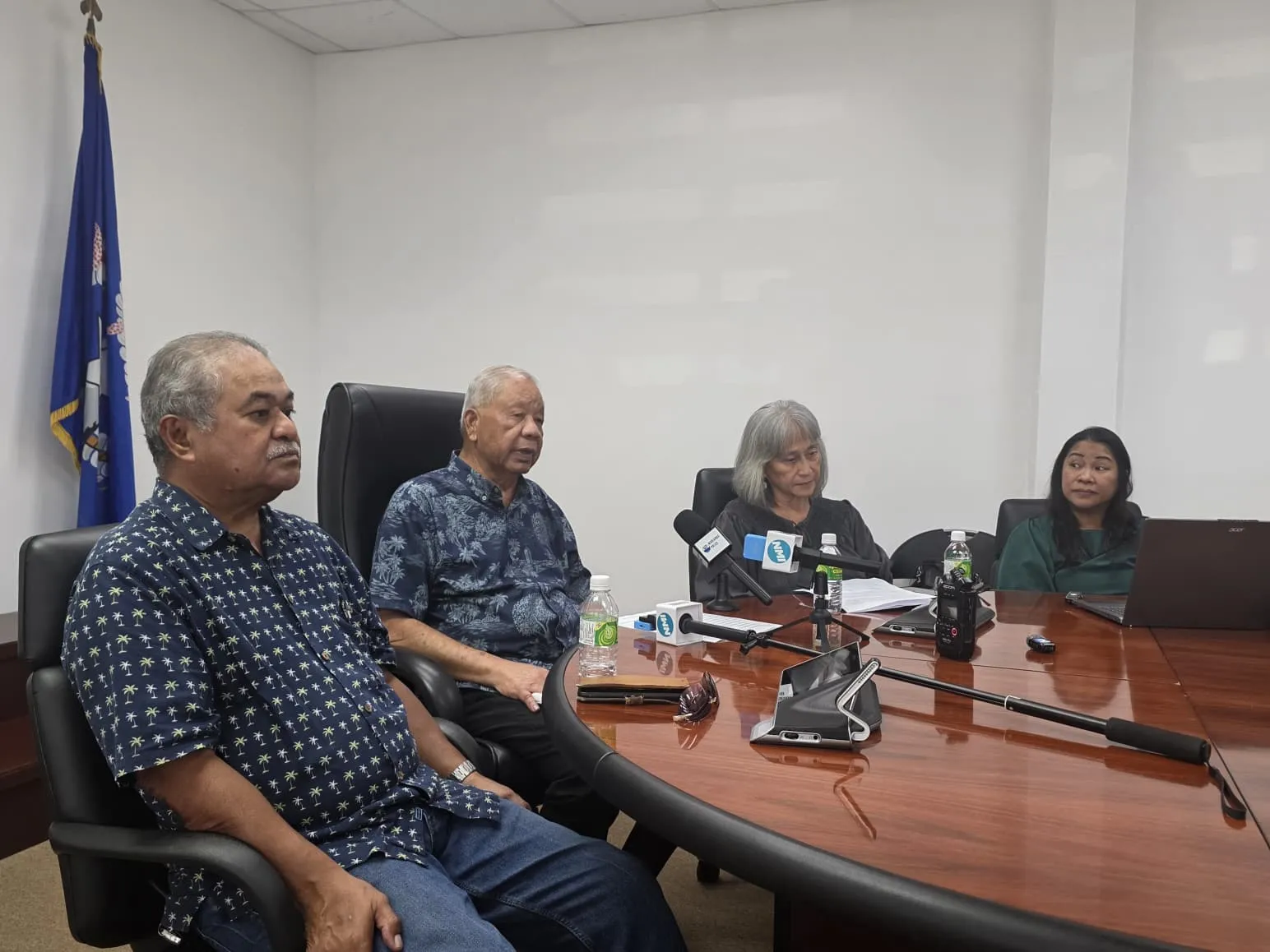
Hahn along with Chief Prosecutor/Marine Science Technician 1 Jennifer Thomas and Lt. Commander Felton Gilmore, chief of prevention division, went to Saipan yesterday to participate in the first administrative hearing held against a Saipan-based commercial ship captain whose U.S Coast Guard merchant mariner’s credential or license is up for revocation over a drug-use conviction in the local trial court.
Visiting Administrative Law Judge George Jordan from Seattle, Washington presided over the proceedings.
His decision against respondent Capt. Eleno Blas Valdez is expected to be released within the next two to three weeks.
Cure period
Thomas said mariners whose U.S. Coast Guard licenses are recommended to be suspended either used marijuana or ice.
She said the offending mariners are typically given an option to settle with Coast Guard to keep their license.
“They have an option to settle with the Coast Guard. We do have quite a few that are right now going through the cure period where they give us their license in order to complete their cure period. They go to a drug rehab or narcotics anonymous,” she said.
After completing their course in rehab or narcotics anonymous, the offending mariners must show a letter from a medical reviewer of that facility indicating they have a very low chance of going back to the habit.
They are then allowed to get back their Coast Guard license to operate a marine vessel.
“Without proof of cure, then the mariner’s license cannot be returned to that individual,” said Thomas.
The required cure period usually lasts for over a year.
If the offending mariners do not consent to a settlement agreement, they have to wait for three years to exercise their privilege to request for an administrative clemency.
Thomas said this process is more tedious as the burden to prove to Coast Guard that they have cured themselves now lies on them.
Further, if the clemency is granted, the mariner must go through the whole process of applying for a Coast Guard license which is valid for five years.
“They have to resubmit another application for a license so it’s a lot more burdensome and time consuming versus going through the settlement agreement,” said Thomas.
“Don’t do drugs. The Coast Guard is not just here to go after people. We are willing to settle to help you get back on the right track,” she added.
