





Unless there is a change to the structure of the Marshall Islands Social Security Administration beneficiary payments, the fund will be exhausted in about nine years, according the government agency’s financial advisers.
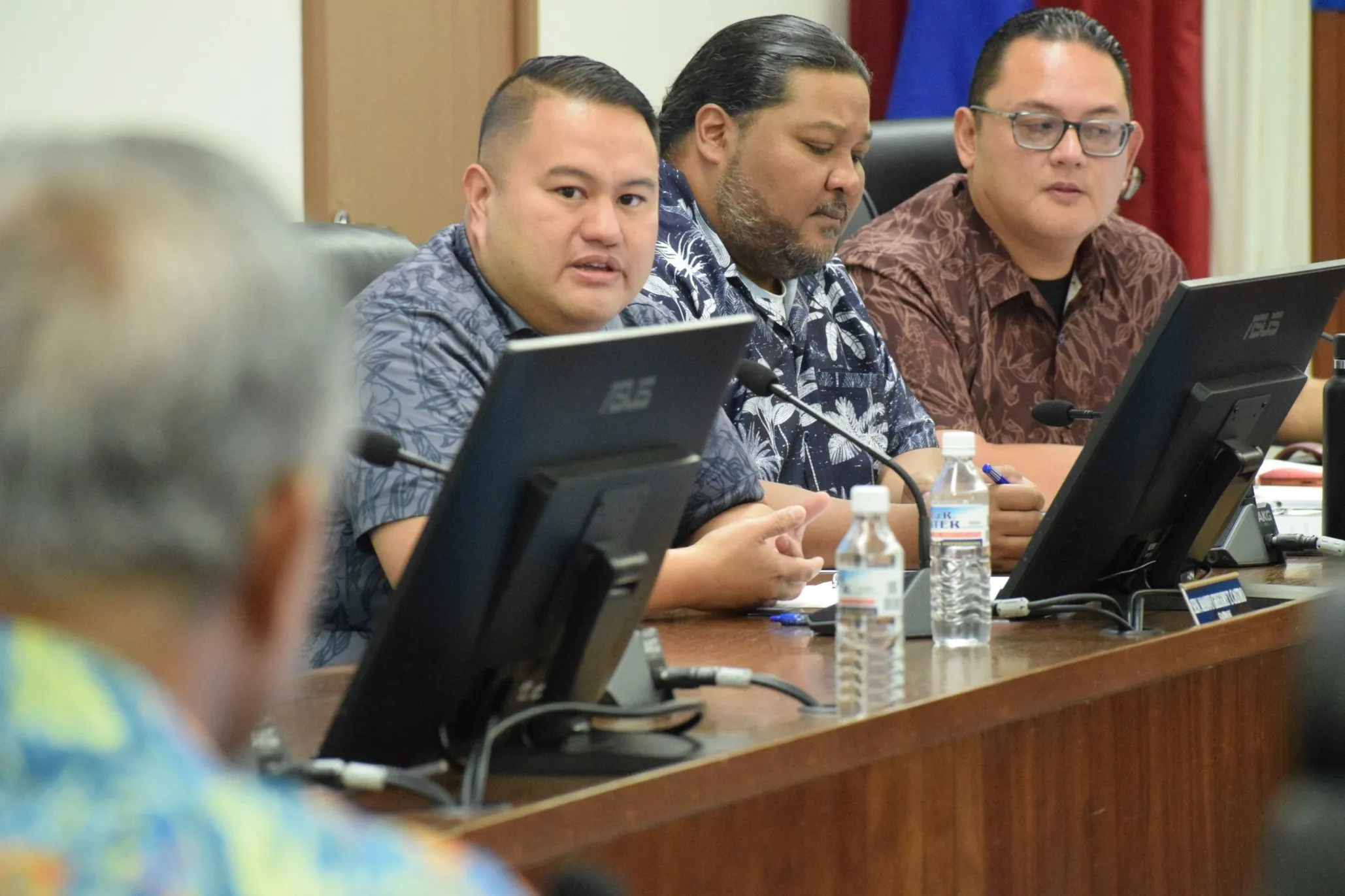
“For the last two years, we’ve been telling everyone about this,” said MISSA Chairman Jack Niedenthal. “It’s not a problem that MISSA can fix. It needs a law change to change how we do social security in the Marshall Islands.”
The government’s Cabinet appointed a task force last year but it has yet to issue a report on its findings.
From 2000 to 2009, MISSA did not touch its investments because it was able to meet benefit payments from tax revenues collected. But since last year, with the number of beneficiaries increasing, and tax collections stagnant, benefit payments have outpaced tax revenue generated. This has forced MISSA to withdraw ever larger amounts of money from its investments.
In fiscal year 2010, MISSA broke a 10-year record of not withdrawing investment money and pulled out $1 million from its Bank of Marshall Islands time certificate of deposits to cover payments needed.
The amount needed is spiraling upward.
A total of $2,765,000 has already been withdrawn in fiscal year 2011 from Bank of Marshall Islands and foreign investments to cover benefit payments so far, and more may be needed through the end of FY2011.
For FY2012, which starts October 1, MISSA is projecting the amount needed to cover benefit payments will jump to $3.7 million or higher. Next year, MISSA expects to exhaust its $2.3 million TCD at Bank of Marshall Islands and withdraw about $1.4 million from the international stock market investments to cover the shortfall in tax revenue.
MISSA officials said that in FY2012, benefit payments are projected to rise to $16,830,000 million while retirement fund tax collections are estimated to be only $12,060,000.
In FY2010, MISSA averaged 3,825 beneficiaries per month. That number has increased by about four percent in FY2011, which an average of 3,976 beneficiaries receiving payments through July this year. Tax collections, meanwhile, have been virtually flat at around $12 million a year for the past several years.
“Some people want to point at MISSA expenses or our investments as the problem,” Niedenthal said. “But even if we had zero expenses, we would still be short of funds to pay benefits. And the investments have been tremendous — they’ve doubled.”
The problem, he said, is “design flaws” in the current system that need to be fixed by legislative amendments. “We need to nip this in the bud,” he added. “Otherwise, it will be very painful for the Marshall Islands.”
