





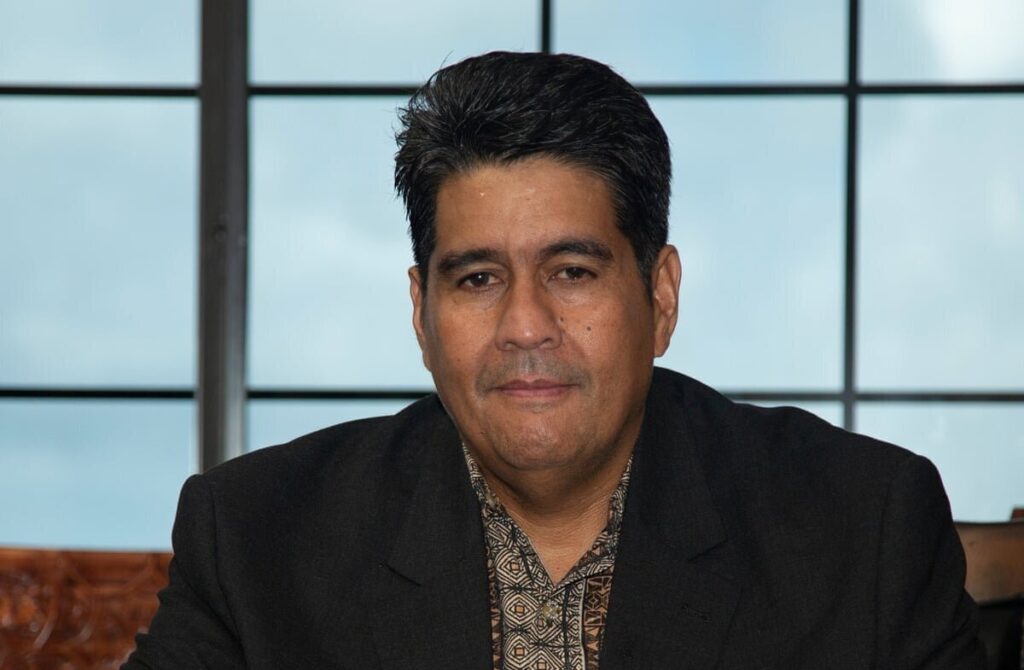
KOROR (Island Times/Pacnews) — Palau President Surangel Whipps Jr. has issued a stay of deportation under Presidential Directive 22-51, preventing the deportation of dependents of foreign nationals who do not meet the minimum income requirement for dependents.
“Really? Is it really true?” a Filipino worker asked tearfully. She and her spouse have two young children. Her and her spouse’s working hours have been reduced by their employers, resulting in incomes below the required minimum. Their employers want to keep them and provide free housing and other benefits, but their incomes still did not reach the minimum requirement.
Current law requires that foreign nationals must earn $15,000 a year or above to have dependents while in Palau.
The global Covid-19 pandemic affected jobs in Palau, especially the private sector which employs many foreign nationals.
Many jobs were either lost or working hours were significantly reduced. It is estimated that 2,600 jobs have been affected by the economic downturn, and about 1,800 of those are non-Palauans.
Many foreign workers with dependents no longer meet the minimum income requirement. Their dependents whose visas expired or are expiring have been given a notice of non-renewal and were ordered to leave Palau.
For enforcing the law, the Division of Labor, which is under the Ministry of Finance, was criticized by some members of the public who complained about the “lack of transparency and lack of humane consideration.”
President Whipps’s directive states that Covid-19 has significantly impacted Palau, especially the dependents of non-resident workers, but the government is “committed to supporting families in Palau through these unprecedented times.”
In line with Palau’s commitment to international human rights and the welfare of children, and as authorized under 13 PNC Section 1010, the stay of deportation is issued to dependents, the presidential directive stated.
“Dependents must not be separated or deported from their families based on or indirectly from their parents’ inability to meet the minimum income requirements,” the directive added.
The Division of Immigration was tasked to implement the stay of deportation.
The division was also tasked to evaluate the economic status of the dependents in six months and provide a report to the president with recommendations on whether or not to extend the stay of deportation.
But the directive does not address resident visa applicants whose visas were denied due to the determination that they do not have the adequate means to financially support their stay in Palau.
The directive also does not apply retroactively to dependents who have departed Palau based on a prior decision not to renew their visas.

Surangel Whipps Jr.
