



THE Public Assistance Office on Tuesday concluded its site inspection and program delivery management training sessions with the Federal Emergency Management Agency’s Public Assistance Program.
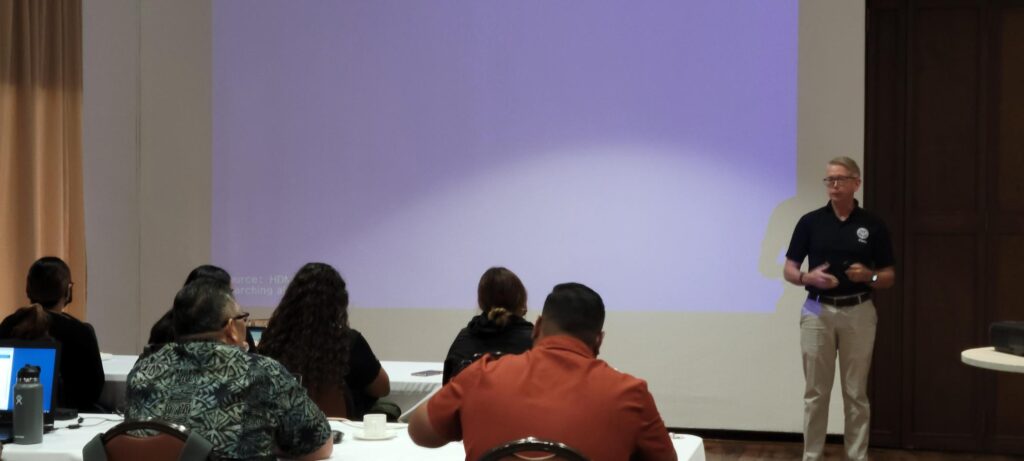
Roughly 20 local PAO staff availed themselves of this program through the collaborative efforts of the office, FEMA, and the Infrastructure Recovery Program under the Office of the Governor.
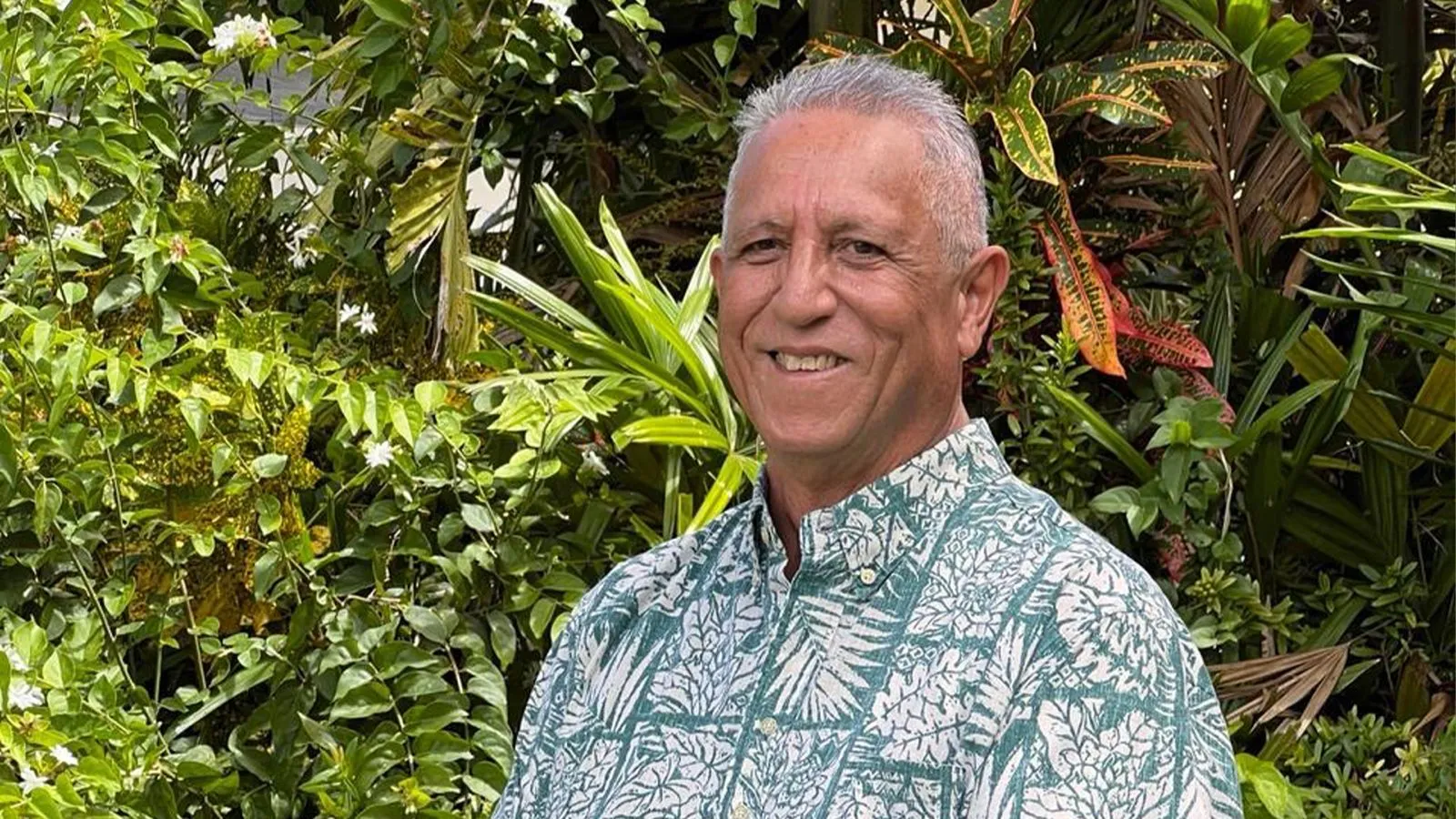
“We’re receiving this for the first time in the CNMI, so we’re really excited that we were able to bring this training,” said the governor’s authorized representative for the Covid-19 disaster, Patrick Guerrero, who heads the PAO.
Guerrero is grateful that all of the PAO staff are able to avail themselves of the training in the CNMI.
“If we have to send our staff to the states, we probably couldn’t send all of them at once, only because it would just take away from our current operations and recovery work,” he added. “We are glad to work with FEMA [Joint Recovery Office] to provide this opportunity [to the PAO staff].”
The FEMA JRO in the CNMI was established after Super Typhoon Yutu to provide opportunities such as this to the PAO, Guerrero added.
The three-week training began with a week of site inspection, followed by two weeks of program delivery management.
Guerrero said the training mirrors that of the FEMA Public Assistance Program, which is a disaster recovery program.
“We’re mirroring FEMA’s programs so that in any event, our own local team can go out and start assisting, like for example, to the Commonwealth Utilities Corporation, to document all the damage to their power system, power plants, or whatever it is that may be damaged as a result of the event. It’s the same thing, it’s the same courses that FEMA provides to their staff,” he added.
“We have about 20 members of our staff. About 14 of them are program delivery managers or project specialists, so this is really benefiting them, and the rest of our staff, from compliance to audit and even our finance staff.”
The Public Assistance Program is one of three main disaster recovery programs under FEMA. The two others are the Individuals and Households Program, and the Hazard Mitigation Program.
Of these three programs, the PA is the largest and most funded program under the federal government through the Robert T. Stafford Disaster Relief and Emergency Assistance Act.
“As soon as the president declares an area a major disaster, then this program kicks in, and it funds all of the operations either through the Department of Defense, the Department of Energy, the Department of Veterans Affairs, the Department of Agriculture, or any other federal partners we need to recover from a disaster,” Guerrero said.
“We’ve had four disasters declared at least in the last six or seven years, and this program has been very beneficial for us in terms of cost recovery and rebuilding back our communities to what they were prior to the disaster,” he added.
“One thing I always try and share with the community about disaster recovery is that it’s a long-term process. We ask the community for their continued patience. We talked about projects from Super Typhoon Yutu. It’s been almost four years, but there’s a whole process in this program to get funds awarded and to follow federal regulations when you’re rebuilding, whether it’s environmental or historic laws that require compliance, it really is a long-term recovery process that requires everyone to pitch in,” he said.
Guerrero thanked the Infrastructure Recovery Program for assisting the PAO with some of these regulatory requirements for the last year and a half.
He said the CNMI will begin seeing more rebuilding projects including those for Northern Marianas College and Hopwood Middle School.
“We’re in the architectural and engineering design portion of the process, so we’re right at the tip of the iceberg, so to speak,” he added. “We hope that we complete all these construction activities before another event hits us. Everyone’s working together and we ask for the community’s continued collaboration and patience as we recover.”
For his part, FEMA JRO and Long-Term Recovery Office for Super Typhoon Yutu Director Randy Clayton lauded Gov. Ralph DLG Torres for preparing the CNMI to be more resilient.
“This training is an example of Governor Torres’s commitment to lead for future events, while managing the current impacts from previous disasters,” he added.
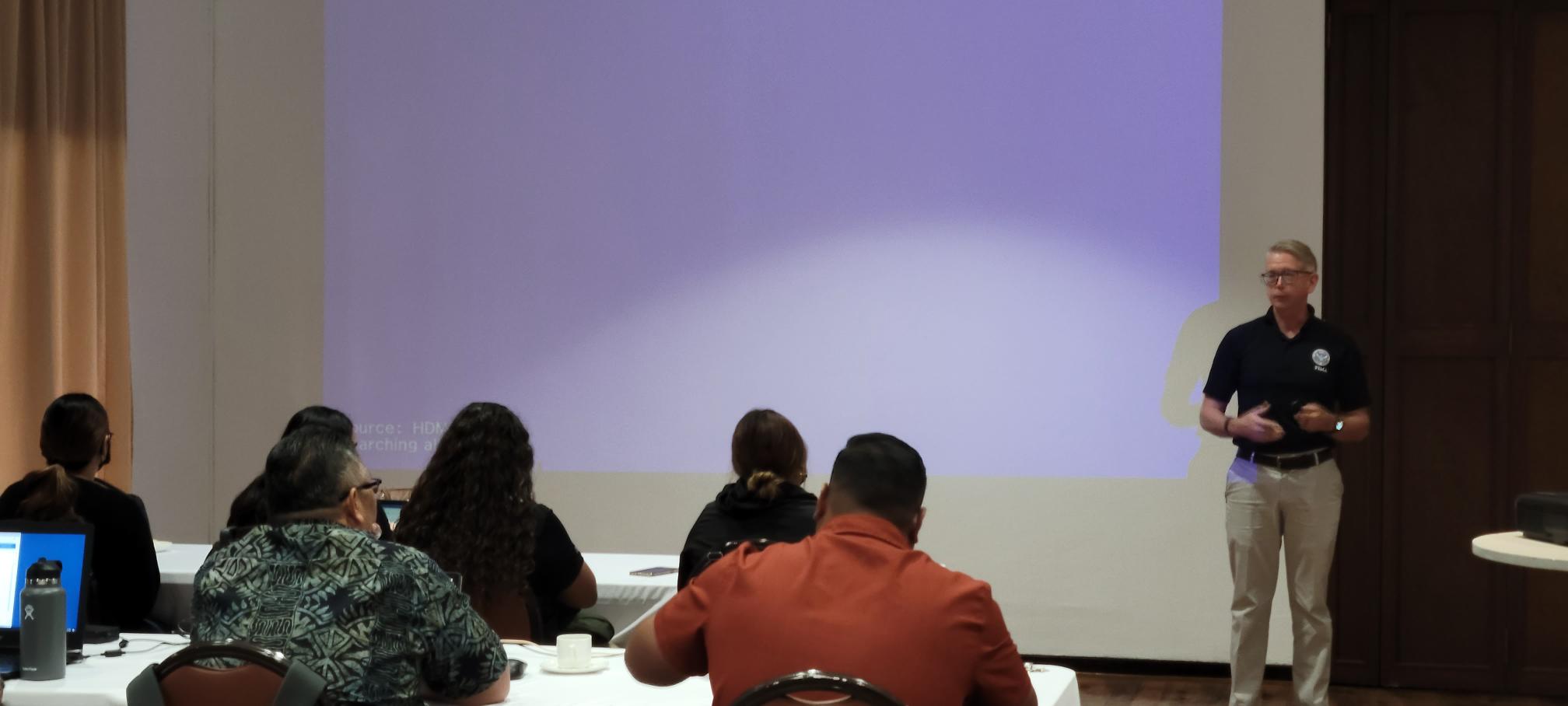
FEMA Joint Recovery Office Director Randy Clayton, right, speaks to Public Assistance Office staff on Tuesday at Aqua Resort Club Saipan.
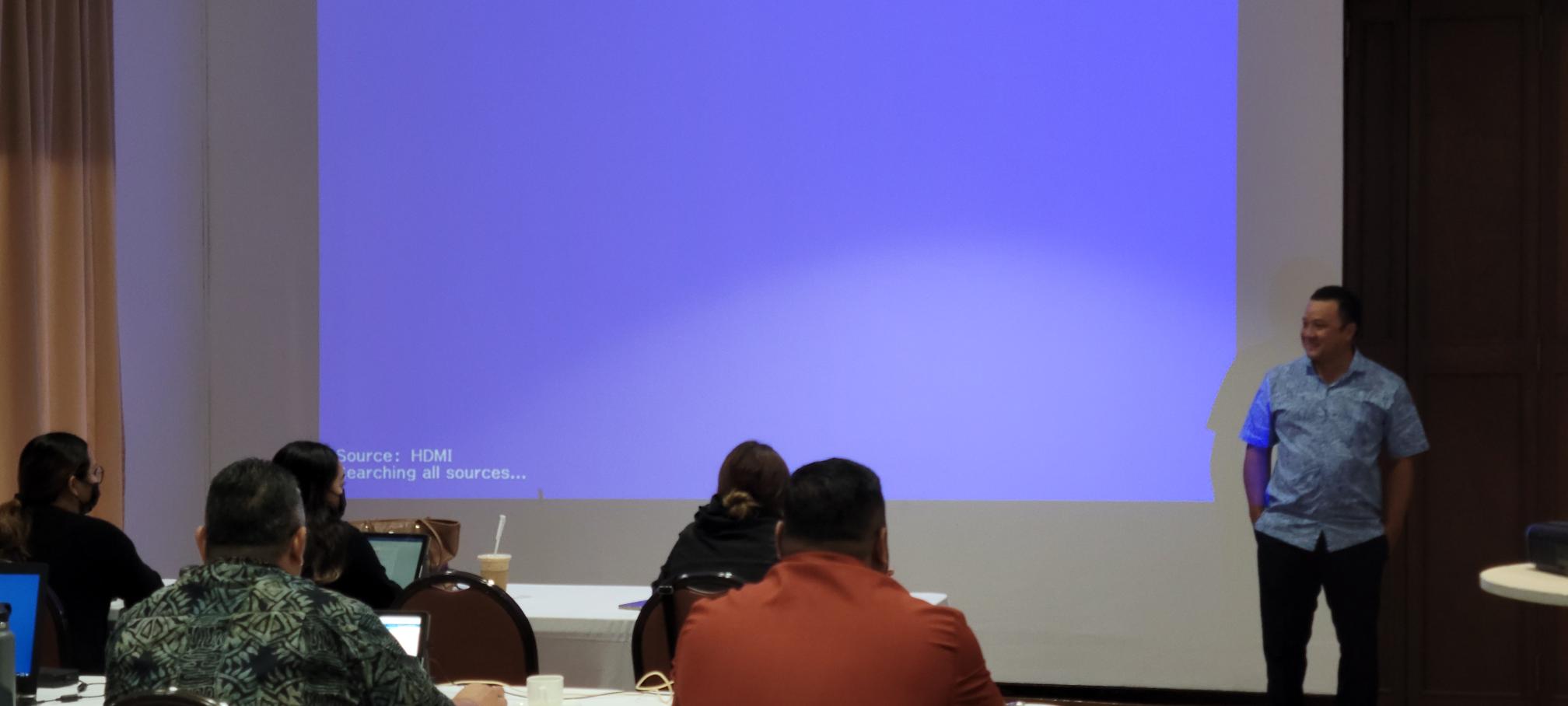
Patrick Guerrero, right, delivers his remarks to the Public Assistance Office staff on Tuesday. Guerrero heads the PAO and serves as the governor’s authorized representative for the Covid-19 disaster.
