





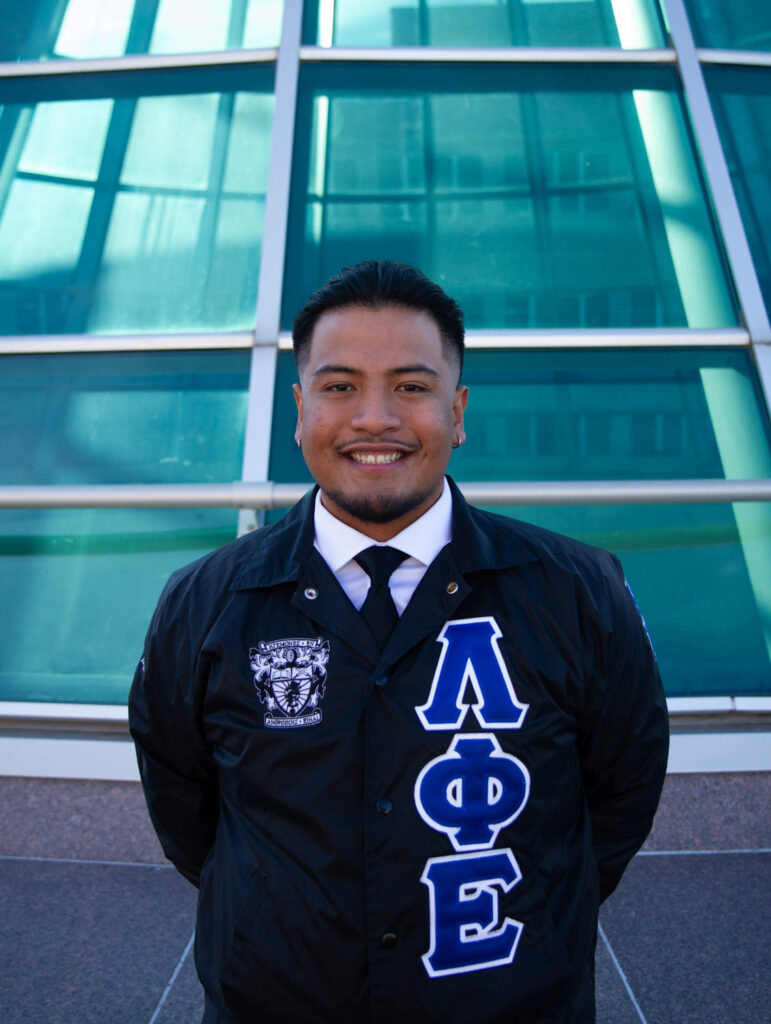
ART Matthew “Matt” Hallig Mamaril is a first-generation college graduate born and raised in Saipan, the Northern Mariana Islands. Arturo and Angelita Mamaril, Matt’s parents, are immigrants from the Philippines who came to Saipan to provide a better future for their three kids.
Matt graduated from Grace Christian Academy, where he participated in and led various extracurricular activities, such as basketball, volleyball, outrigger, and finally, as Student Council ;resident his senior year.
In May 2023, he graduated from Washington State University with a Bachelor of Chemistry and has been accepted to Colorado State University’s Chemistry doctoral program on a full-ride scholarship.
He has joined clubs and organizations at Washington State University to enrich his undergraduate experience. He is a part of Lambda Phi Epsilon International Fraternity Inc. where he honed in on his leadership and communication skills. He was also a part of the Asian Pacific American Student Coalition as a co-chair for a student-led conference, S.H.A.P.I.N.G., at Washington State University, along with fellow Saipan native Wilgene Lieto II.
S.H.A.P.I.N.G. stands for Shaping Highschool Asian Pacific Islanders for the Next Generation. The conference brings high school students of Asian or Pacific Islander descent from all-over Washington to WSU to learn about higher education and the opportunities after high school.
Finally, in his last year, he was the president of the Multicultural Greek Council which he and his executive council oversaw 14 unique culturally-based Greek organizations at WSU. He was named Executive Member of the Year by the Center for Fraternity & Sorority Life at WSU.
His love and curiosity for chemistry grew when he joined his first research lab. He went through this learning period about himself and what he loved to do. He found out that he enjoyed challenging ideas and concepts. Ultimately, this led him to find a research lab in the chemistry department under Dr. Jeffrey Bell.
On his first day at the lab, he was given his first project in point-of-care diagnostics and got to it as quickly as possible. He wanted to spend as much time in the lab to learn more about research and the general principles encompassing point-of-care diagnostics. He knew how to construct selective membranes from different support materials, cultivate valuable research fundamentals, and effectively communicate results daily.
He spent 15-20 hours a week during the first semester in the lab, which gathered enough results to give an oral PowerPoint presentation for my first research conference held at Washington State, the Showcase for Undergraduate Research and Creative Activities.
That talk would then become my first published first-author paper in a peer-reviewed Chemistry Journal, ECS Sensors Plus titled: “Identifying Hypocalcemia in Dairy Cattle by Combining 3D Printing and Paper Diagnostics.”
Along the way, Matt collaborated on other publications within the subgroup and garnered other presentations and publications. He is now on four publications in various peer-reviewed journals.
Matt resides in Fort Collins, doing a summer research program at Colorado State University before starting his Ph.D. program this fall. His goal is to research solutions guided by his experience in chemistry to problems that the CNMI is currently facing. He has options in researching possible point-of-care diagnostic devices that will help detect various biomarkers for diseases that affect the general public or renewable energy solutions dealing with wastewater.
One of his research goals is The National Alliance for Water Innovation or NAWI, an Innovation Hub involving national labs and leading universities from around the country guided by the Department of Energy and the Lawrence Berkeley National Laboratory. This DOE and NAWI partnership is focused on research on desalination and other water treatment technologies to secure affordable and energy-efficient water supplies for the U.S. from non-traditional water sources.
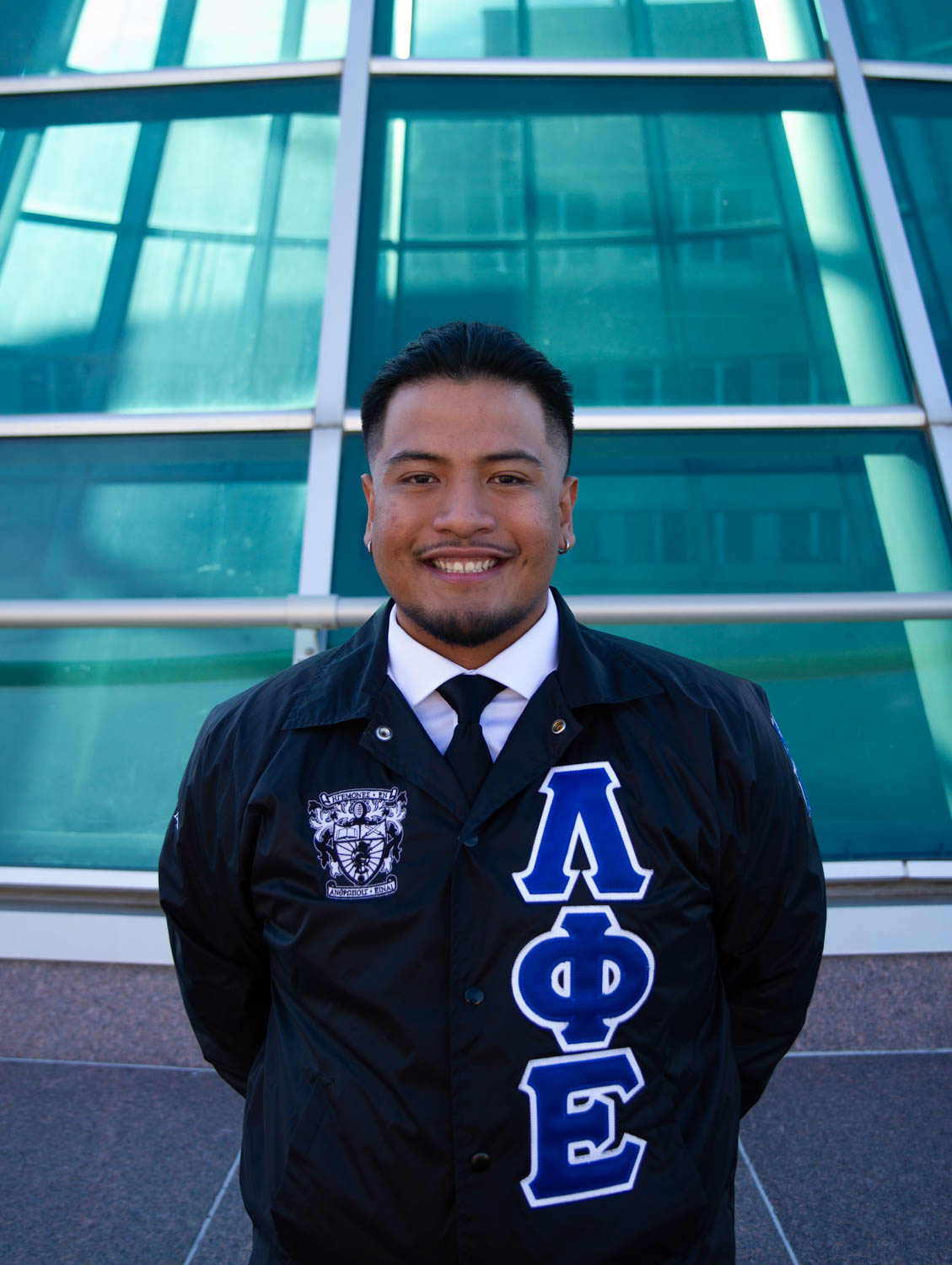
Art Matthew “Matt” Hallig Mamaril
