






FOLLOWING a media conference on Monday in the governor’s conference room, the presiding officers of the 22nd Legislature expressed their gratitude for the $88.7 million low-interest community disaster loan for the CNMI from the federal government.
“Of course we appreciate the help from [the Federal Emergency Management Agency]… This will help pay off our obligations and our vendors, so we are very grateful for any assistance to help us get back on our feet,” said Speaker Edmund Villagomez.
He added that Super Typhoon Yutu had a domino effect, including on the local economy, which he noted is “an engine we need to keep going to generate revenue to provide services.”
“For this loan to come at a time like this, it really helps. We’re still… recovering from Yutu,” he said.
Senate President Jude Hofschneider likewise expressed his appreciation for the federal assistance.
“This will help us retire our deficit and help us finally [repay] the greater part of the Yutu vendors. [Thirteen million dollars] is a lot of money to settle, so this is a great day for the CNMI,” he said.
The Senate president commended the administration, FEMA, and everyone involved in making the community disaster loan a reality.
“Of course, the Legislature, we gave our approval based on the joint resolution and being part of the signatories of the portfolio.”
The CNMI’s request to participate in the program was submitted in February of last year, at the recommendation of the regional administrator and in consultation with the CNMI Office of the Attorney General.
The regional administrator at the time recommended to the recovery directorate to activate the program and designate appropriate Region IX representatives to work with the CNMI to begin the community disaster loan or CDL process.
This process requires that two points of contacts be named to work with the CDL program manager from FEMA HQ and the independent contractor hired to conduct a complete financial analysis of the governor’s revenues and audited financial statements, as well as to complete a questionnaire depicting events, such as the effects of the storm’s devastation and a recovery timeline.
In May of last year, the CNMI was prequalified and eligible to apply for the CDL loan of up to 25% of the projected loss of government revenues, which amounts to approximately $93.7 million.
However, at the time, FEMA was only authorized to give up to $5 million, the cap for the loan program.
The CNMI was required to complete a 10-part CDL application package and provide collateral security in the form of a joint resolution by both the CNMI House of Representatives and the Senate.
The joint resolution passed the House in June of last year, and was also passed by the Senate a month later.
Because FEMA’s authorization was limited to the loan program cap, the Torres-Palacios administration then reached out to U.S. Congressman Gregorio Kilili Camacho Sablan to discuss how to obtain approval from the U.S. Congress to exceed the $5 million cap.
The delegate then met with the regional administrator at the time to discuss the matter further, later resulting in the U.S. Congress passing a resolution that included provisions to allow FEMA to exceed the loan disbursement.
Then-President Donald J. Trump signed the legislation in December of last year, allowing the CNMI to obtain the remainder of the prequalified loan on April 9 of this year.
As per the restrictions imposed by the program, these CDL funds cannot be used to finance capital improvements nor for the repair or replacement of damaged infrastructure nor as the non-federal share for any federal program.
The local and federal governments will reassess and evaluate the CNMI’s financial standing in three years’ time, which could result in a portion or the full amount of the loan being forgiven.
If the CNMI can continue to provide documentation that revenue losses have not been recovered, there is a consideration given to loan forgiveness based on continued economic status.
If or when it comes time for the CNMI to repay the loan, through both executive and legislative approval, the costs would be covered from local resources.
The interest rate for the remaining $88 million of the loan is less than 1%, or seven-eighths of a percent, while the first $5 million has an interest rate of a quarter of a percent.
Following a major disaster, the financial capacity of local governments may be severely undermined by a decrease in local revenues.
The reduction in tax or other revenue can limit their ability to maintain public services or afford many extraordinary but necessary expenditures.
Revenue loss frequently occurs when significant portions of the population are displaced for extended periods of time, or key sources of economic activity, like tourism, are heavily disrupted by a disaster.
The lack of revenues and the resulting limitation on financial capacity have been cited as among the most significant and consistent hurdles to long-term disaster recovery. The CDL program provides loan assistance to local governments to help them overcome a loss in revenues.
The core purpose of these community disasters loans is to permit the local governments to continue to provide municipal services, such as the protection of public health and safety and the operation of the public school system.
The CNMI has until Aug. 27, 2025 to draw down on the loan.
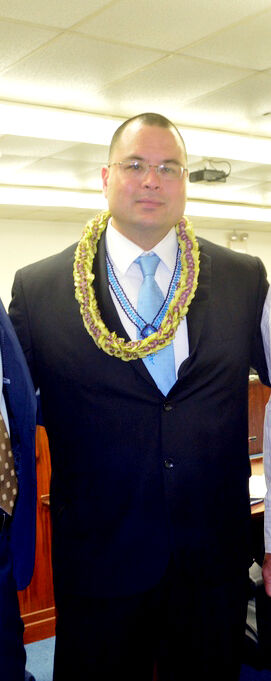
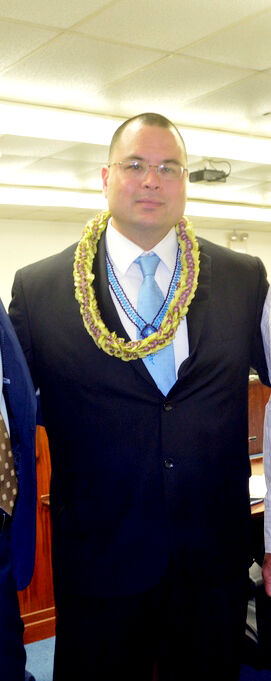
Edmund Villagomez
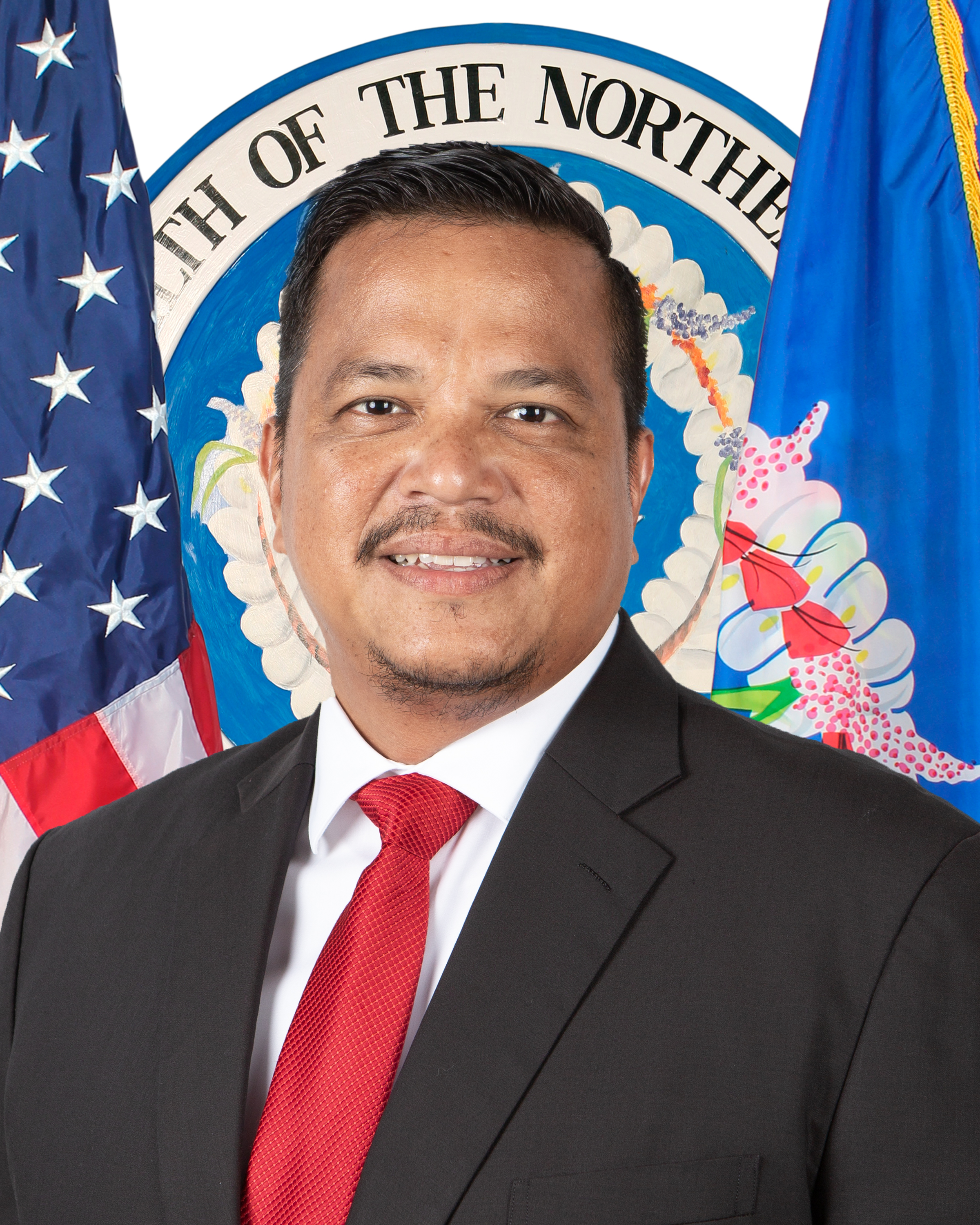
Jude Hofschneider
