




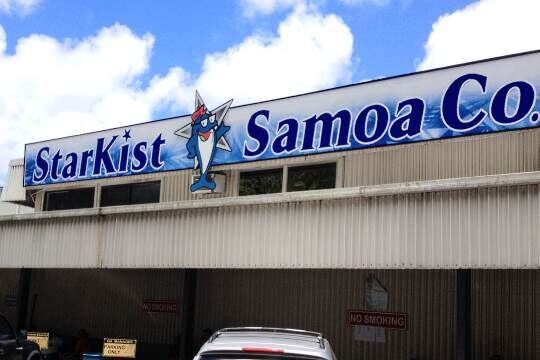
APIA (Talamua Online/Pacnews) — The manager of the StarKist Fish Packaging Company in American Samoa and its human resource manager are leading the company’s recruitment mission for 500 workers from the neighboring independent nation of Samoa.
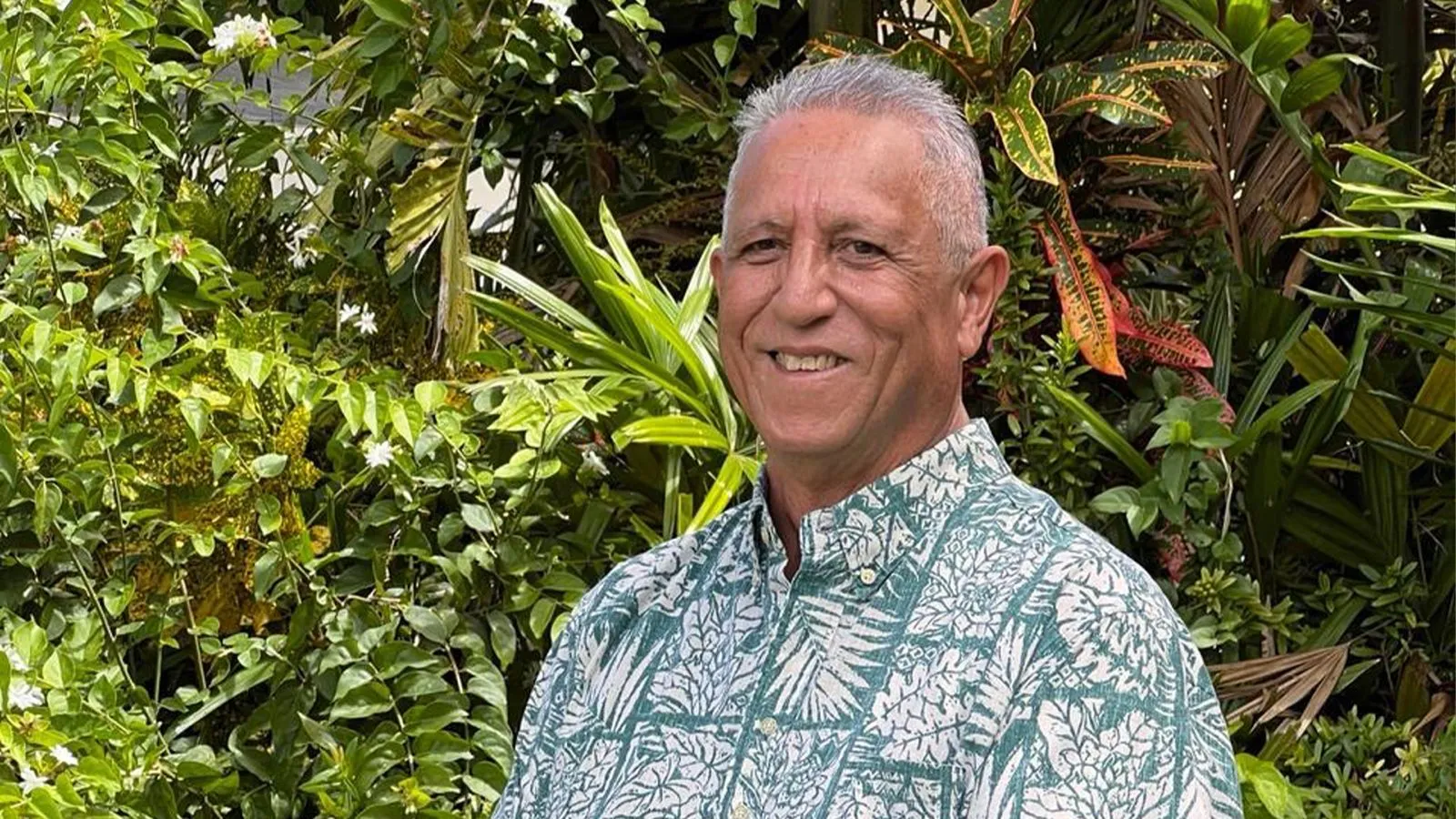
Samoa Minister for Commerce Industry & Labor Leatinu’u Wayne Sooialo confirmed that he met with the delegation and continued talks on workers recruitment.
Leatinu’u said the company is currently employing Samoan workers through direct negotiation with local agents; however, they want to get the government involved.
Of the company’s 2,000 workers, 90% of them are from Samoa.
“They want to recruit workers under conditions similar to the New Zealand Regional Seasonal Employment scheme and the Australian Mobility Labor Program,” said Leatinuu.
The scope of expertise the company wants is not limited to the fish division alone but extended to engineers, carpentry, mechanic and plumbing.
While the minister commended and praise the employment opportunities for Samoans, he also raised issues of concern that the company needed to consider.
Leatinuu said there are various aspects that differentiate the recruitment scheme for RSE and mobility labor from that of American Samoa.
The New Zealand and Australia scheme provides accommodation for workers while American Samoa has a guest home host program.
“Workers are issued with a guest workers program permit and recruits stay with families as a guest and work,” Leatinuu said.
“We have asked them to consider building accommodations or apartments where the workers can reside rather than the guest home host,” said Leatinuu.
His concern was that anything could happen between the worker and someone of the family especially when women are concerned.
The other issue of concern is the time frame for the work permit.
The New Zealand and Australia program has a time limit for workers to work abroad which is from six months to one year before returning home.
“For American Samoa, there is no time limit and the only time the Starkist company take long breaks is April and the Christmas holidays,” said Leatinuu.
The concern is for married workers who had been away for long periods from their families that had resulted in a number of issues under the New Zealand and Australia scheme.
“We are trying to solve those issues and we do not want to see this happen in American Samoa should the program be given the green light,” said Leatinuu.
Leatinuu said there should be a limited time frame for such a program; otherwise, the company brings the workers family over to American Samoa.
One of the issues Leatinuu raised during the meeting was the safety and security of the workers which is part of the reason the company wants to get the government involved.
Accompanying the Starkist team were the director of the American Samoa Department of Agriculture, the procurement manager and Samoa’s consul general in the U.S. territory, Fata Brian Kaio.
“We discussed conditions pertaining to the safety of the workers and this includes easy tracing and tracking of where they’re from,” said Leatinuu.
This is not a new issue as it was discussed before but nothing concrete came out of it.
“We requested for a small scale fish factory at Asau where our people can work for the same U.S rate instead of them going over to work at the company in American Samoa,” said Leatinuu.
Leatinuu said keeping the labor in Samoa will also address the concern of losing skilled workers to overseas employment.
“I feel that we have to a step back and analyze the situation because they are asking for specific skills,” he said.
The American Samoa delegation will take all issues raised by Leatinuu under consideration and their response will be presented when the two Samoas meet for the Atoa o Samoa talks next month.
Leatinuu has also advised his ministry to research and find ways that can help make the program work for and benefit Samoa.

