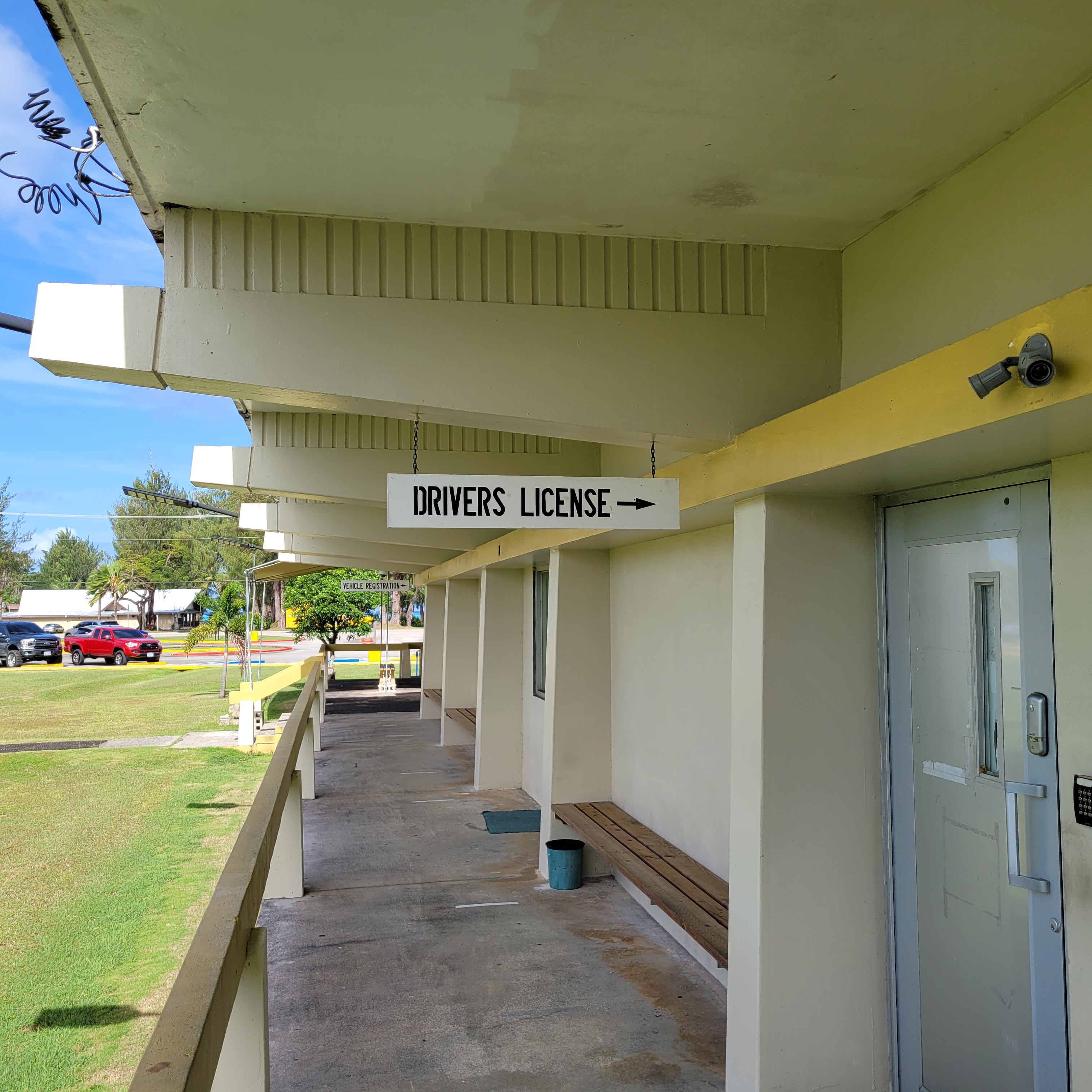



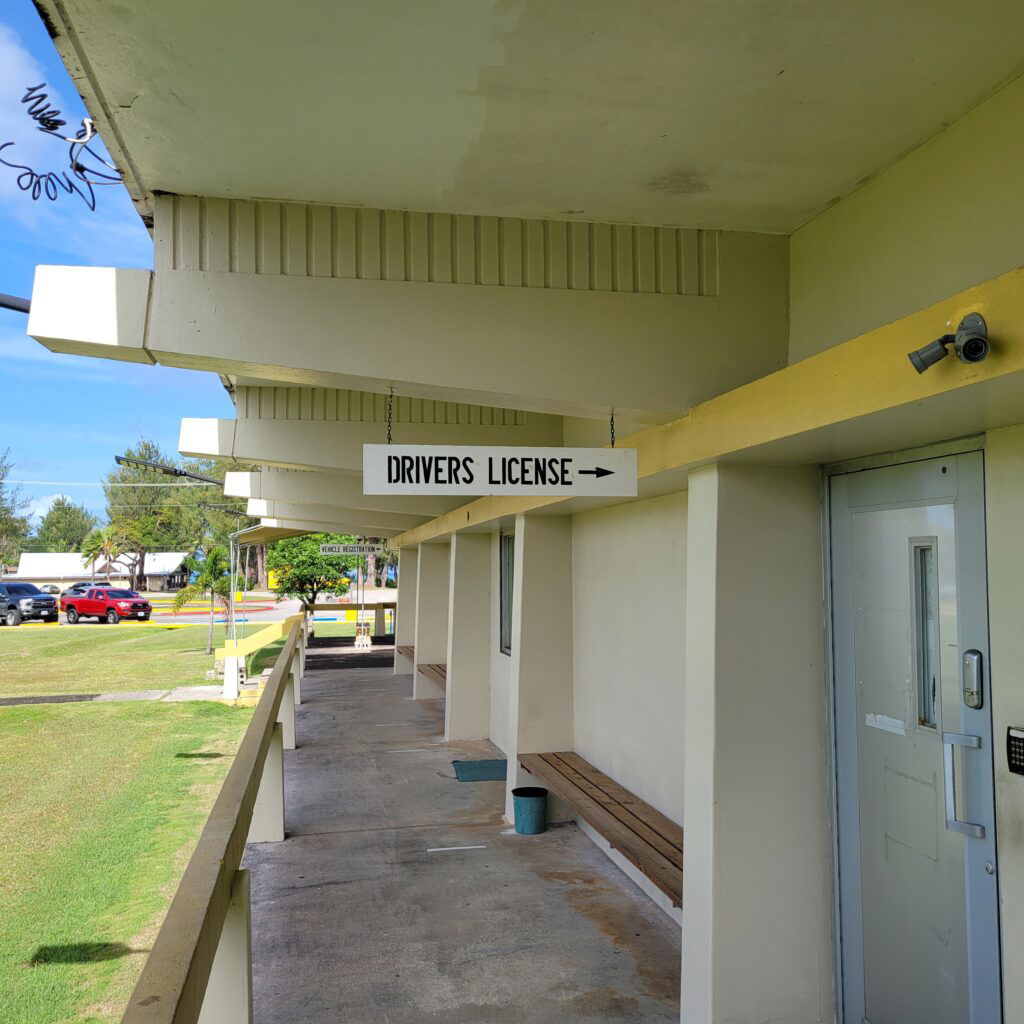
U.S. Attorney for the Districts of Guam and the NMI Shawn N. Anderson opposes Bonifacio Sagana’s motion to compel discovery, saying that the Federal Bureau of Investigation’s “high-profile” raid at the Department of Public Safety’s Bureau of Motor Vehicles is part of an investigation unrelated to the defendant’s case.
Sagana is accused of involvement in producing counterfeit CNMI driver’s licenses. He has pled not guilty to the charge of conspiracy to unlawfully produce an identification document.
Last week, the District Court for the NMI granted his third request to reschedule his jury trial, which is now set for June 27, 2023 at 10 a.m.
Represented by attorney Richard Miller, Sagana also filed a motion to compel the federal government to produce items relating to a search warrant executed on Dec. 16, 2022 by the FBI at the BMV.
The court has set a hearing for March 9 to hear his motion.
In his response to Sagana’s motion, Anderson noted that the defendant is requesting the following:
—Any reports, investigator notes, or records of interviews with BMV personnel that describe BMV’s procedure for processing driver’s license applications.
—Physical forensic images (e.g. DD or E01 file format) of the BMV workstations used by employees during the time frame of interest to process the allegedly fraudulent immigration documents and driver’s licenses.
—Any and all data not physically stored at BMV but is part of its process for creating, storing and maintaining records.
Anderson said the defendant’s request “is a vastly overbroad attempt to access information from an investigation unrelated to defendant, and from an investigation led by an agency, the FBI, that is not a part of the prosecution team in defendant’s case.”
He said Homeland Security Investigations is the federal agency investigating Sagana who “is using a high profile FBI search warrant of the BMV, executed post indictment of defendant and post scheduling of defendant’s trial, as an excuse to gain a voluminous amount of information unrelated to defendant’s case.”
Anderson said if Sagana’s request is granted, “he will undoubtedly claim [that] the large volume of information is grounds to delay his trial once again.”
Moreover, “if defendant’s request for digital forensic files is granted, he would have unfettered access to [the personal identifiable information of] practically every CNMI citizen…who has applied for, who has been issued, or who has personal records at the BMV.”
Anderson added, “It should be without question [that] this is a glaring if not outrageous cause for concern. The citizens of the CNMI should not need to worry that all their personal information at the BMV would be in the hands of a criminal defendant charged with production of fraudulent identification documents, just because defendant speculates that this information might somehow be helpful to his defense.”
Anderson noted that the FBI’s raid at the BMV was covered “instantaneously and widely by local media.” On that same day, he said Sagana’s counsel requested additional evidence. On Dec. 19, 2022, “defendant’s counsel requested information which gives rise to his instant motion,” Anderson added.
He said the “timing of these requests telegraphs defendant’s opportunistic attempt to claim a right to vast amounts of more evidence, which defendant did not previously seek until the FBI executed its search warrant unrelated to defendant.”
Anderson said, “Despite having possession of discovery for more than six months in this case,” Sagana “only sought additional production of evidence amid the media and community frenzy surrounding the high-profile FBI search warrant. If the evidence outlined in defendant’s discovery request were indeed material to his defense, defendant would not have waited to request the information until the FBI raided the BMV.”
Anderson reiterated that “unfettered access to the BMV database by a criminal defendant, and especially for this particular defendant, should weigh heavy in the court’s decision whether to grant defendant’s motion. These records will contain dates of birth, passport documentation, citizenship documentation, Social Security numbers and other [personal identifying information] all sensitive and within the expected privacy of the citizens of the CNMI.”