



By Giff Johnson
For Variety
MAJURO — When Pacific Island Finance ministers gather Tuesday in Majuro for their annual meeting, they will not only hear about this north Pacific nation’s new digital money system, they will also get a hands-on opportunity to use it at a night market being held in conjunction with the meeting.
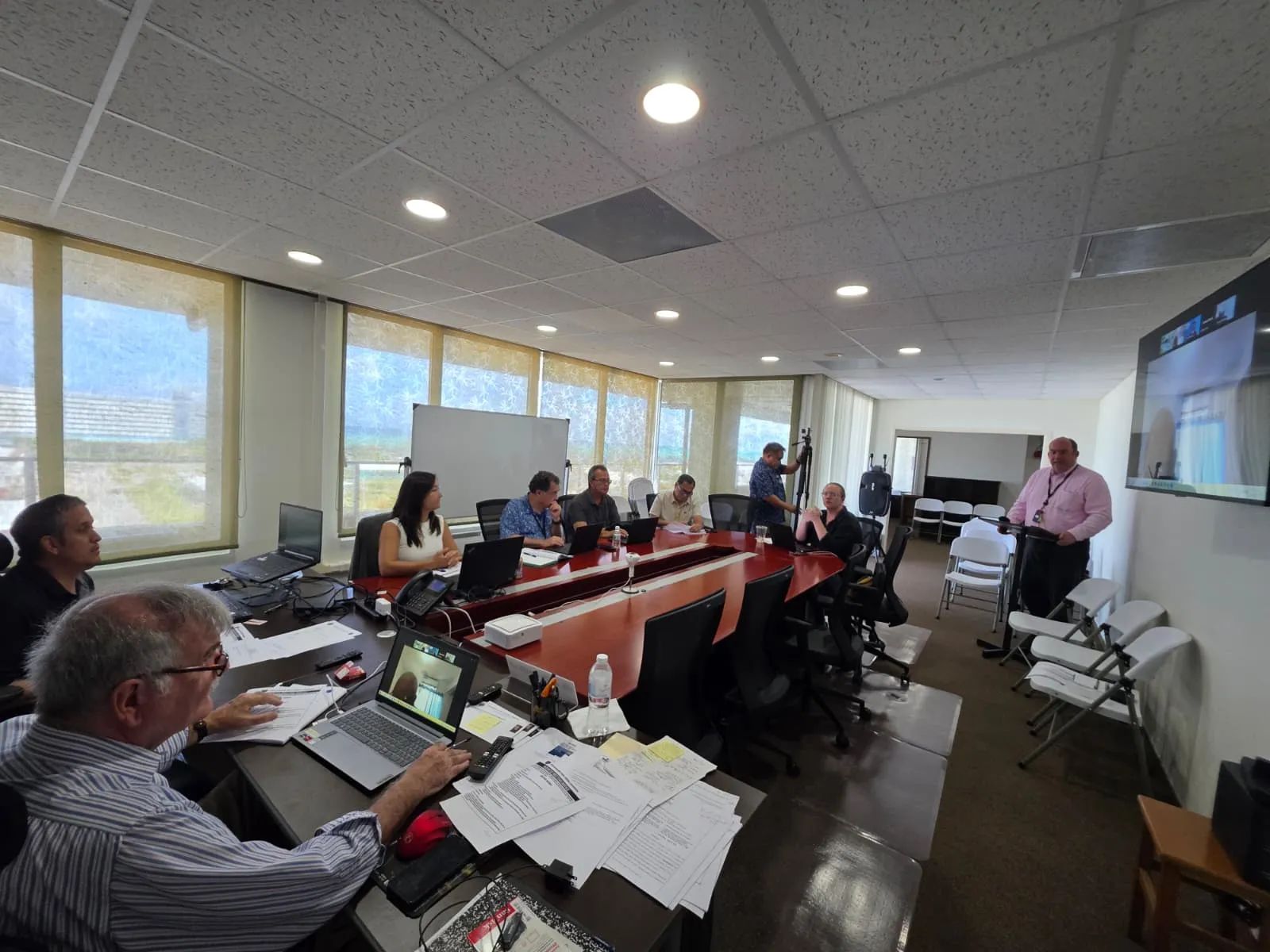
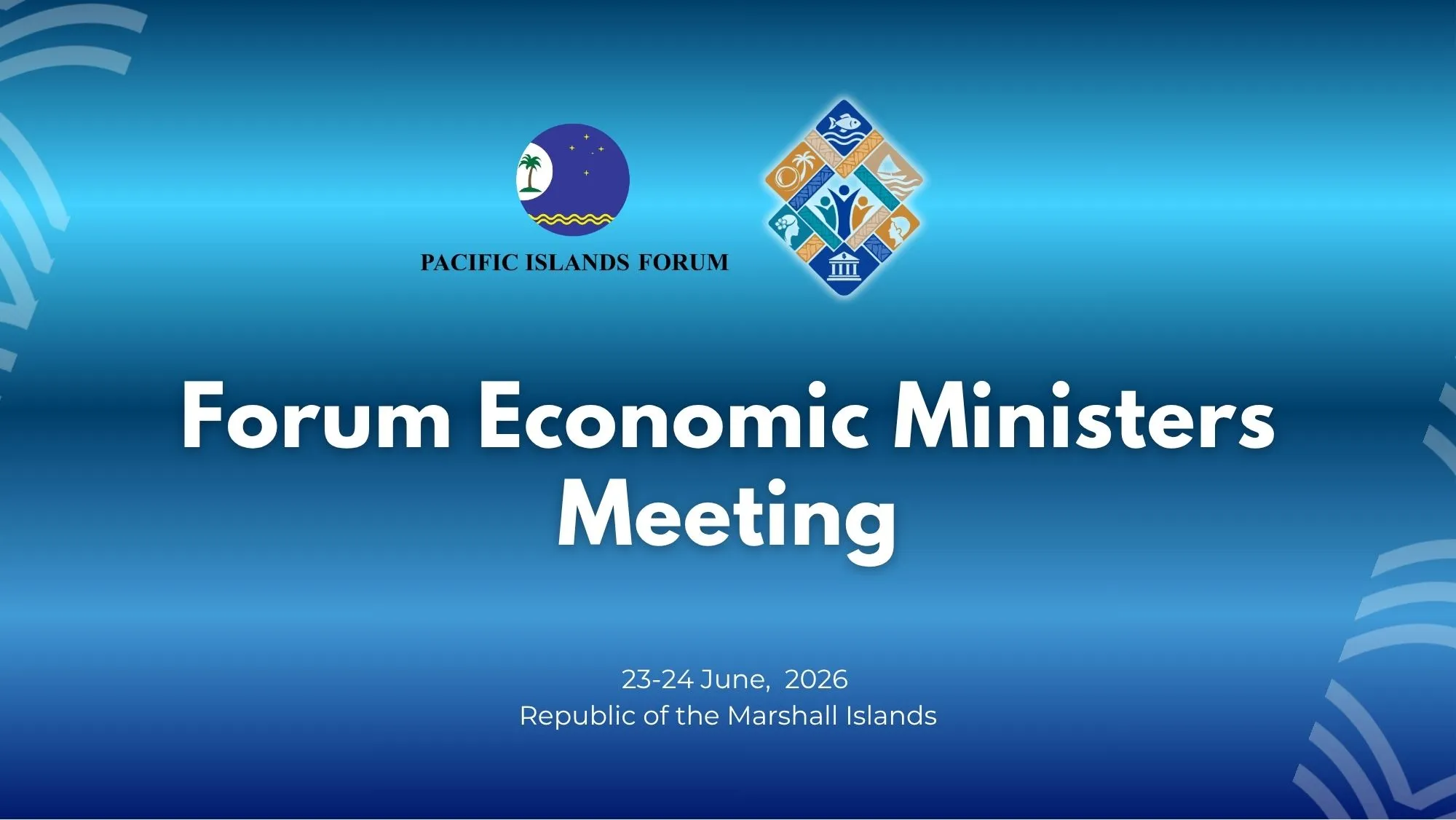
The annual Forum Economic Ministers Meeting officially kicks of Tuesday morning in Majuro for two days.
The event includes private sector and civil society dialogues in a meeting whose agenda is heavily based around addressing economic shocks from volatile fuel prices resulting from the U.S./Israel war on Iran. The two-day meeting, attended by Forum Secretary General Baron Waqa, aims to endorse economic plans and partnerships for stability and growth for the Blue Pacific Continent, with a particular focus on the private sector, fisheries, climate and disaster preparedness, and non-communicable diseases.
As part of the private sector dialogue, Finance ministers will receive a presentation about the Marshall Islands USDM1 digital money program that was launched late last year and has picked up significant momentum in recent weeks with banks and money services now accepting it.
The two-day summit of all Pacific Islands Forum finance ministers will feature a presentation by USDM1 representatives Tuesday followed by a hands-on experience with the Lomalo Wallet used for the USDM1 digital tokens.
To give visitors from the Forum island nations a taste of the Lomalo Wallet, Marshall Islands authorities will load $100 into digital Lomalo Wallets for the heads of each delegation. These can be used at Tuesday’s night market, where vendors accept the digital payment system.
What makes USDM1 stand out from the many stable coins and cryptocurrencies on the market is that it is a digital sovereign bond, a U.S. dollar-denominated government security fully collateralized by short-dated U.S. Treasury bonds that can be redeemed for $1. Thus, say USDM1 program officials, each token a person has is equivalent to one U.S. dollar. Thanks to recent developments, these can be “cashed out” to U.S. dollars through various options now available to USDM1 holders.
The planned USDM1 exposure to Pacific Island Finance ministers is the latest development in the ongoing rollout of this country’s digital money system. It has been promoted to safely and effectively deliver quarterly universal basic income payments to the thousands of islanders living on remote atolls in this watery nation.
An important development of USDM1 includes gaining acceptance by multiple local stores, not only in Majuro but also in the country’s second urban center, Ebeye, and the outer islands.
“Lomalo is now accepted by more than 30 merchants locally, with businesses in Arno, Wotje, Ebeye, Jaluit, and Majuro participating,” Jeremy Coffey, one of the USDM1 founders, said in an interview last week.
Of great significance to the expansion of the Lomalo Wallet system’s use for buying and selling products and transferring money is the ability to “cash out” or transfer USDM1 to U.S. dollars.
Although USDM1 is a U.S. dollar-denominated bond issued digitally on blockchain, it still needs a method or platform for moving USDM1 from the digital world to currency.
The partnership announced in April between USDM1 and Anchorage Digital helped this process along. Anchorage Digital is providing custody, settlement and collateral management services for USDM1.
Since the partnership with Anchorage Digital was announced, the USDM1 group has worked to expand uses and “cash out” options.
The first cash out integration is going live now and will offer holders of funds in Lomalo Wallets the ability to exchange their funds in Lomalo at any MoneyGram location, said Coffey. “Additional benchmarks for this phase include a broader series of bank integrations, which will be launching and announced later this month.”
Marshall Islands Finance Minister David Paul said Sunday that Bank of Guam, a U.S.-licensed bank, was trialing the process last weekend of integrating USDM1 with its customers’ bank accounts to allow them to move USDM1 to U.S. dollars through the bank. In addition, he said last week, he performed a USDM1 transfer through the money transfer service MoneyGram to his personal bank account at Bank of Marshall Islands, translating USDM1 to a U.S. dollars bank account.
“This is monumental,” Paul said of Bank of Guam validating the use of USDM1 and MoneyGram acceptance. “It’s a gamechanger.”
In general banks are standoffish when it comes to cryptocurrency because of risks of money laundering and other concerns. But the fact that USDM1 is a Marshall Islands government-backed short-term U.S. Treasury bond issuance, denominated in U.S. dollars, provides a U.S. dollar foundation for the program.
Over the past six months, USDM1 “focused on validating Lomalo and USDM1 in controlled pilots on a path towards broader release,” said Coffey.
That release is now taking off. The presentation and hands-on use of the Lomalo Wallets in Majuro by visiting Finance ministers is the latest in the rollout of the new program.
