






By Giff Johnson
For Variety
MAJURO — The Marshall Islands parliament this week endorsed legislation reducing income taxes for all working people in the country in a move to mitigate to some degree the soaring costs of living.
Bill 103, introduced by Finance Minister David Paul earlier this week, exempts the first $8,320 in a person’s salary from withholding tax. This means that for people earning this amount or more, they will have over $600 more net income on an annual basis.
“This is a monumental day for the people of the Marshall Islands,” Minister Paul told the Marshall Islands Journal in an interview after the legislation was passed. The new law, he said, “will provide some relief to people” in view of the escalating costs of fuel that are affecting every part of life in the Marshall Islands.
The bill was introduced on the last day of parliament meetings for the current session, and passed on the same day in order to trigger a fast response to skyrocketing costs.
The new law will be implemented in April, reducing the income tax burden on working people.
Paul said this would result in about $3.1 million less in tax revenue to the government over the next six months of the current fiscal year. But, he said, “it isn’t like we are losing this money. It is going into people’s pockets, and they will spend it so it will circulate in the local economy.”
The intention, he said, was to provide an immediate increase in the amount of money people have to help with the skyrocketing costs from the war that the U.S. and Israel launched against Iran last month.
This combined with the release of the second quarter universal basic income payments beginning March 24 to all 37,000 citizens in the country, and the rollout of the Extraordinary Needs Distribution program with food, cash power subsidies and other cost of living help for 11 atolls and islands is coming at a timely moment. Both the universal basic income program and the Extraordinary Needs Distribution program are funded by the Compact of Free Association Trust Fund capitalized by the United States.
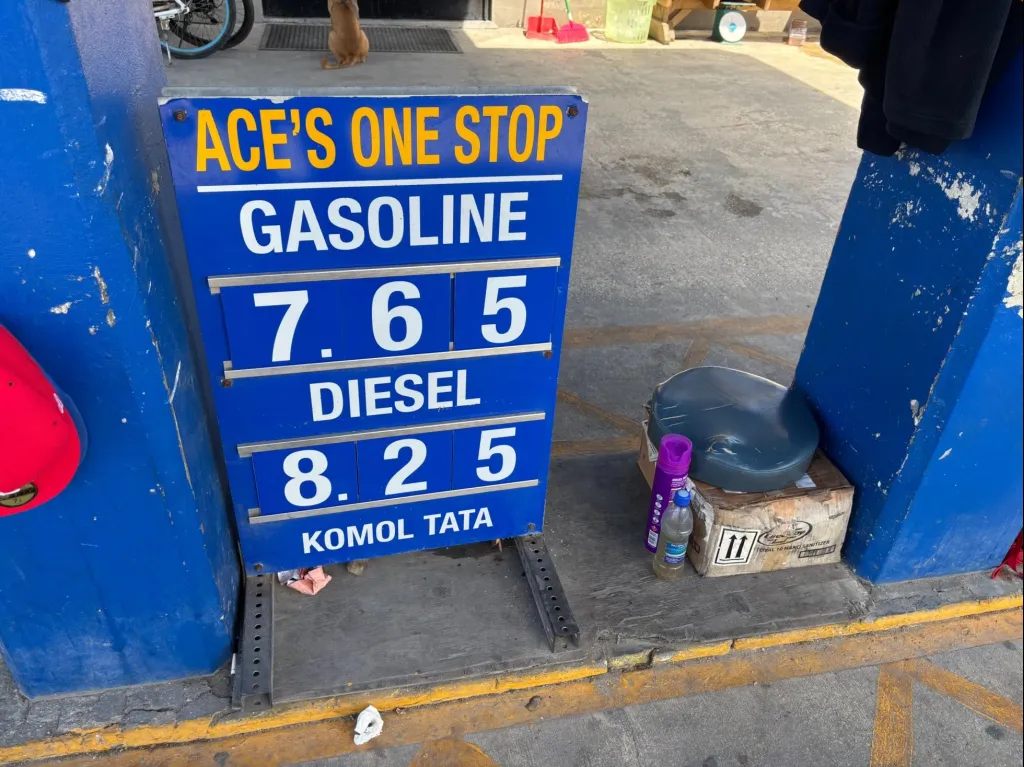
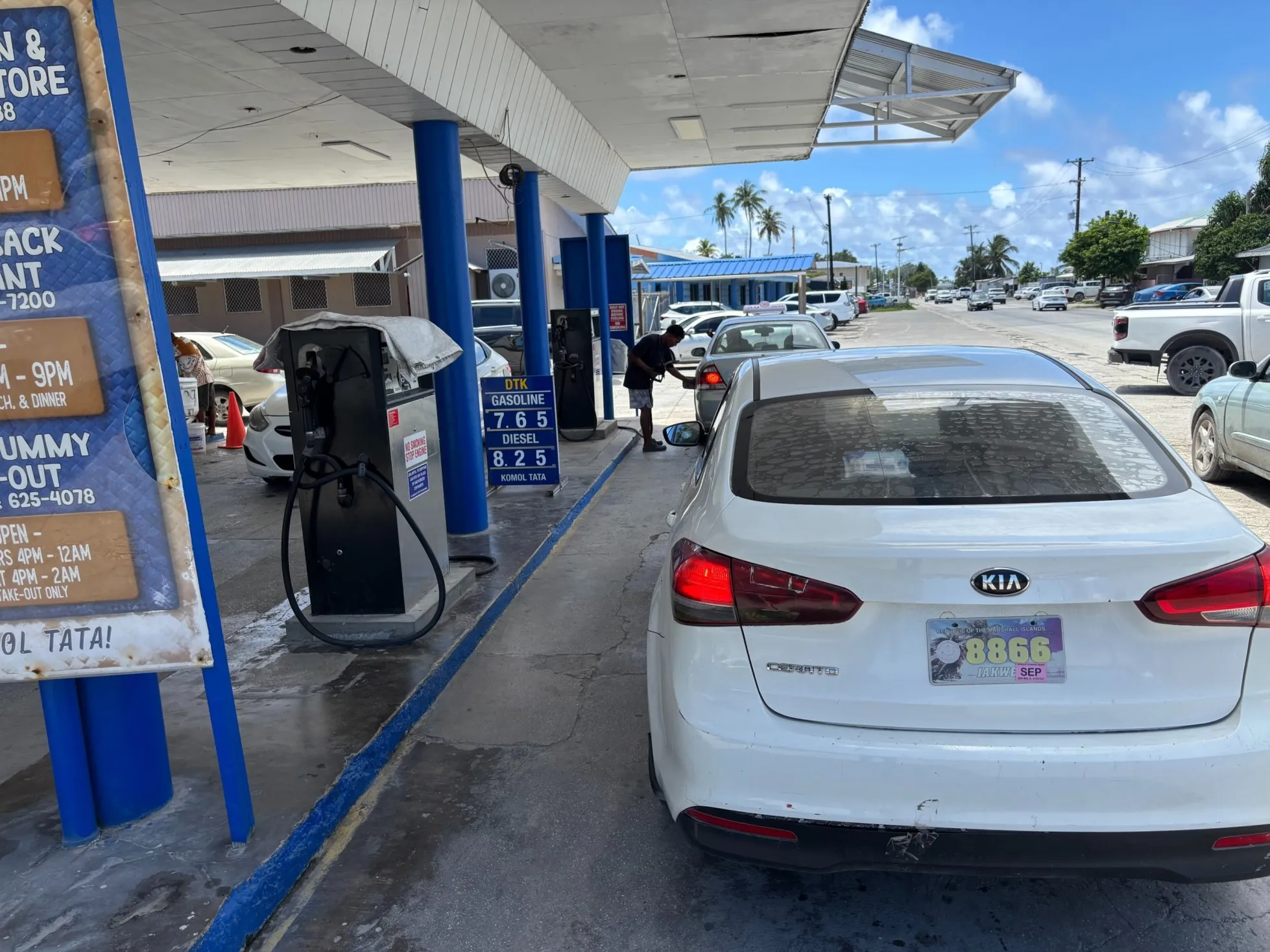
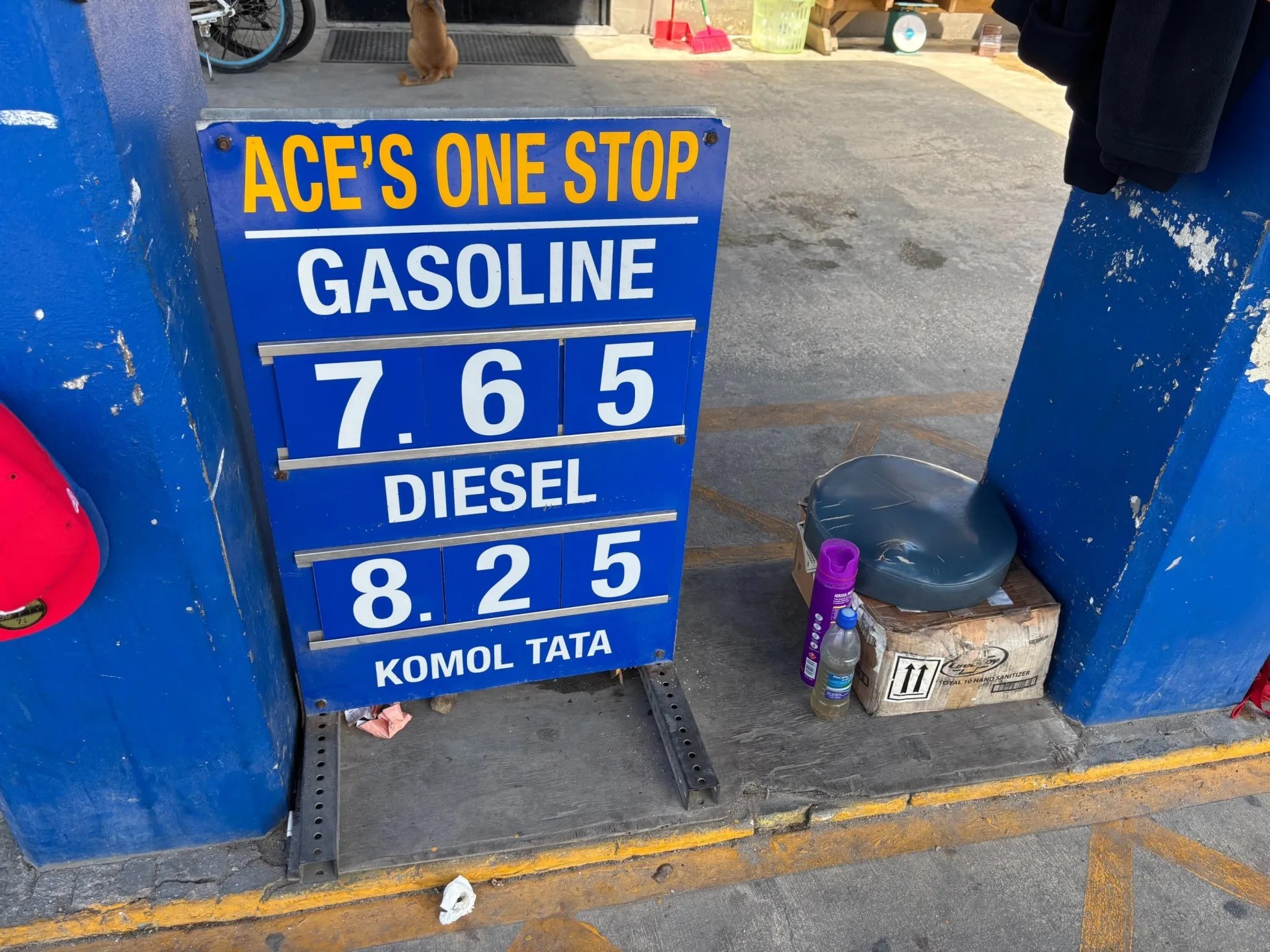
Already, gas prices at the pump have jumped about 14 percent in just two weeks and diesel at Mobil Oil-supplied stations is up 25 percent since the war on Iran started on February 28.
The cascading impact of these global events can be seen everywhere. The Marshalls Energy Company, the government’s utility company, announced that it expects to raise electricity rates next month.
“Before the Iran War, MEC was spending approximately $3 million per shipment per month on diesel fuel,” the utility said in a release Wednesday. “Based on current market conditions, that cost is now expected to reach close to $7 million per shipment.”
MEC said it expects it will need to respond to this global fuel price rise by raising tariffs by as much as 23 percent in April. For perspective, MEC raised its rates in early February and residential rates are now 43.2 cents per kilowatt hour. A 23 percent increase is 10 cents, meaning home power could jump to 53 cents per kWh next month. Business power costs could rise from the current 51.6 cents per kWh to over 63 cents a kwh in April.
All of this — the higher cost of shipping goods from the US, Australia, New Zealand and Asia, airfares, fuel for drivers, and power — adds up to a fast-rising costs of living for people in the urban centers in the Marshall Islands.
