





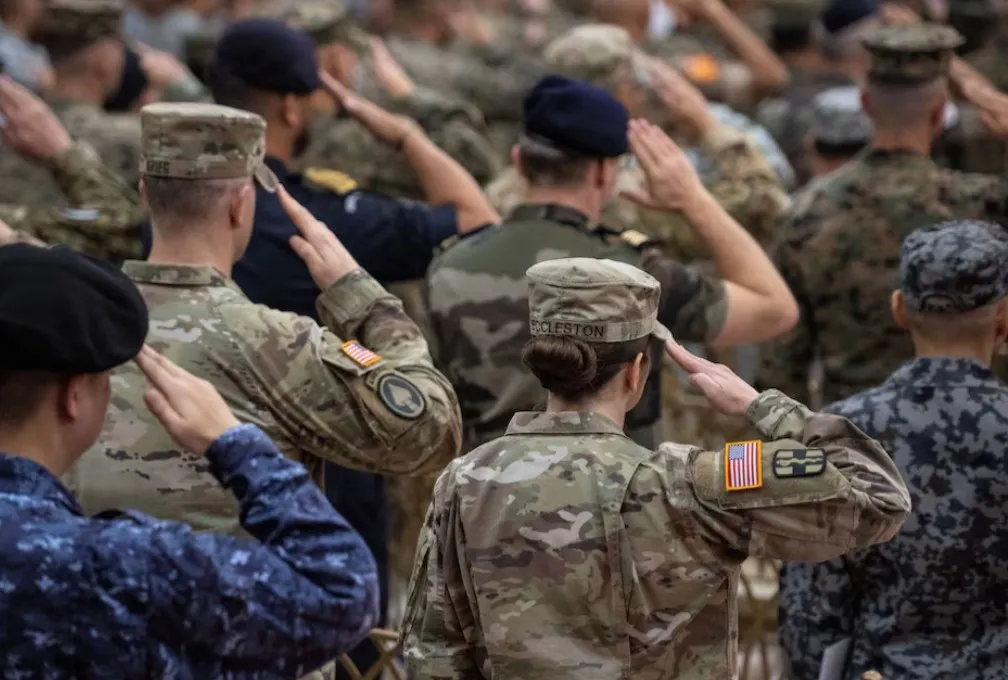
MANILA (Reuters) — Philippine and U.S. forces will carry out maritime strike drills on a remote Philippine island near Taiwan during annual exercises that started on Monday, which Manila’s military chief said would test their readiness under “real‑world conditions.”
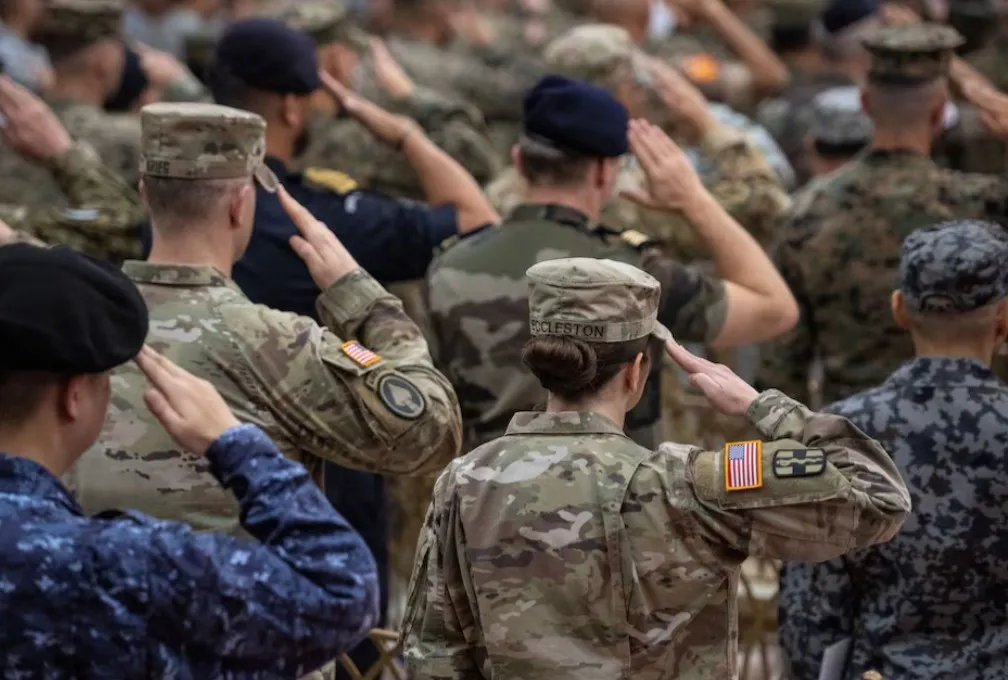
The April 20 to May 8 exercises known as “Balikatan,” or “shoulder-to-shoulder,” will be the largest yet in terms of participating countries, with Australia included again and Canada, France, New Zealand and Japan joining as active participants for the first time, highlighting Manila’s widening network of security partnerships.
The exercises will involve practicing precision strike and interdiction operations in coastal waters of the Philippines and will feature integrated air and missile defense exercises, multinational maritime operations, and counter‑landing, live‑fire drills.
Launching the exercises, Philippine armed forces chief Romeo Brawner said their purpose was to reaffirm the strength of their alliance and their responsibility to secure the region.
“We train across the breadth of our archipelago…testing our readiness in real-world conditions across all domains,” Brawner said.
More than 17,000 troops are taking part, including about 10,000 from defense treaty ally the United States, even as Washington remains heavily engaged in the Middle East.
The exercises will showcase newly acquired Philippine hardware such as the BrahMos missiles and allied capabilities that include Japan’s Type 88 anti‑ship missile, to be used during a live‑fire sinking drill.
The counter‑landing live‑fire drills will take place in Zambales province on the South China Sea, about 230 km (143 miles) from the hotly contested Scarborough Shoal, a strategic atoll controlled by China.
The Philippines and United States will for the first time hold maritime strike drills on the island of Itbayat, the northernmost point of the Philippines about 155 km from Taiwan, demonstrating the area’s strategic location as tensions simmer over Taiwan, which China views as its own territory.
Taiwan’s government rejects China’s sovereignty claims, saying only the island’s people can decide their future.
China has repeatedly criticized the Philippines for conducting defense exercises with its allies, saying they risk raising regional tensions.
Asked about the drills during a regular briefing, China’s foreign ministry spokesperson Guo Jiakun said the Asia-Pacific region needed peace and tranquility, not external forces that create division and confrontation.
“We would like to remind the relevant countries that persisting in tying themselves together on security will only lead to setting themselves on fire and backfiring,” Guo said.
U.S. Marine Lt. Gen. Christian Wortman said on Monday that Balikatan had “no target nation” in mind.
