







The Senate is reviewing a privatization bill which, in its original form, was a laudable attempt to sign on with newer technologies that can relieve the CNMI of a costly dependence on fuel while ensuring that the privatization effort goes more smoothly this time. The bill passed by the House, however, includes provisions that will require the private company to retain all CUC employees, and allow for bids rather than proposals for a project that should be evaluated for cost and other considerations. The House bill, moreover, provides many different privatization models. It doesn’t know what it wants to be, and this will make it difficult for any company to respond, which means the best ones won’t.
The legislation, in addition, resurrects a board for CUC, guaranteeing that there will be no success with any privatization effort, thus sinking the CNMI’s reputation even deeper into the abyss. Remember the $120 million power plant procurement fiasco? The government only recently got rid of the board that had oversight over CUC, but now some lawmakers want to bring it back. When public policy is not based on the best models but on the whims of officials and their special interests, it is not hard to understand why the CNMI is not making progress.
The biggest losers, as usual, are the residents of these islands who have to endure the hardship of a third world power system while paying top dollar to management that has absolutely no experience in this field and that no reputable businessperson would even hire to run a mom and pop store.
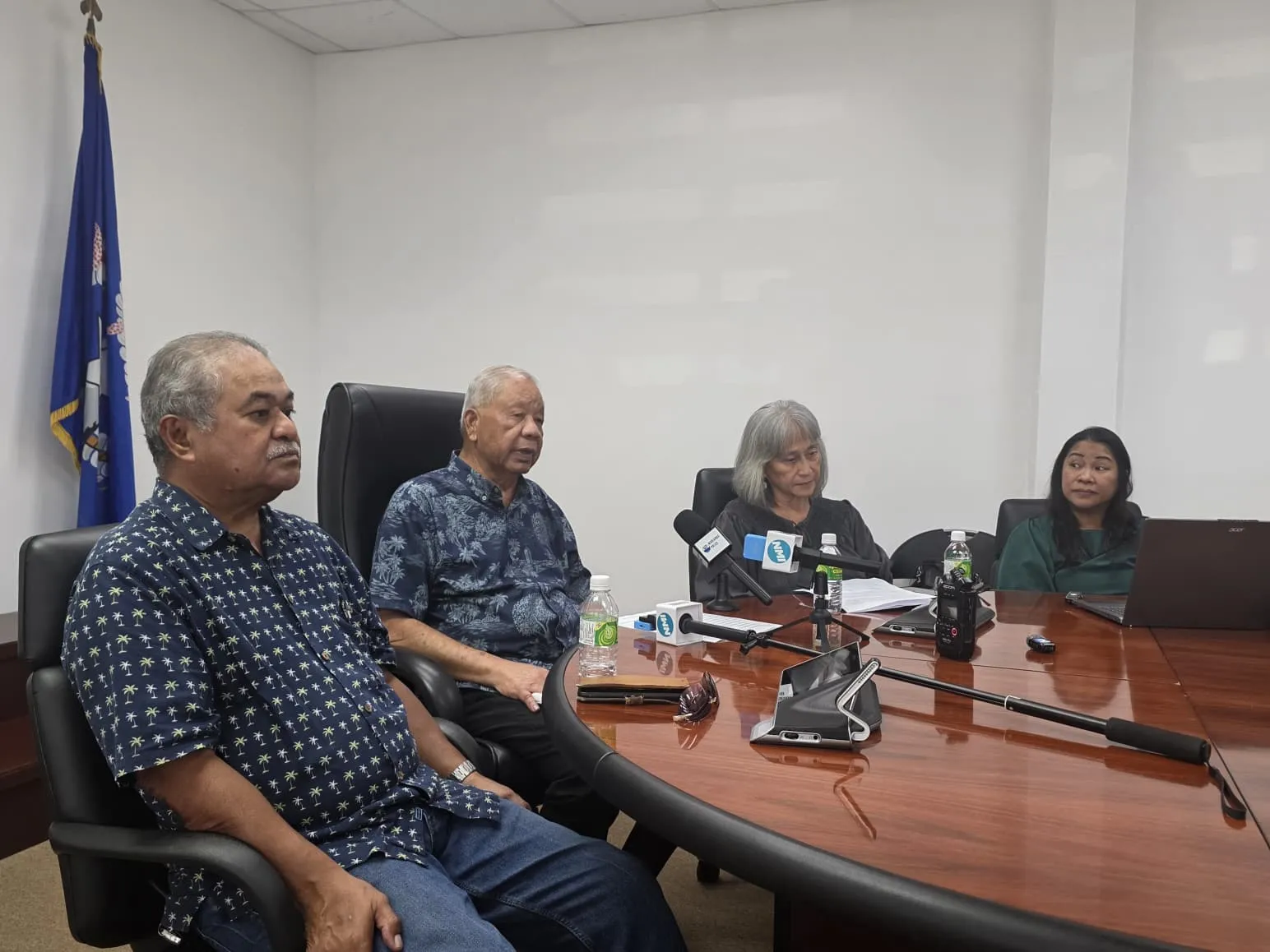
The public forum on the CUC crisis drew a large crowd and the consensus was that the government should privatize the utilities agency in its entirety and newer technologies should be adopted to spare the people the cost of total reliance on fossil fuels at a time when global demand remains high. The general sentiment, in short, was that government should get out of the power business completely. But many sections of the privatization bill now before the Senate are in direct conflict with the views expressed at that forum.
The bill, to cite an example, will saddle a private company with current power employees. There is no need for this provision. Good CUC employees will be recruited by a private company — good employees have value for any employer. However, many CUC employees are there not on the basis of what they can do for the agency, but for what they have done, or can do, for those who are momentarily in power.
This bill will supposedly keep the price of power reasonable but how can this be achieved if lawmakers don’t want to give the private company a free hand to hire the employees who can do the job? Under this bill, the private company and the general public will end up paying for the salaries of political hires.
There are also legitimate concerns about whether the CNMI can carry out this procurement cleanly, hire qualified and independent firms to draft a procurement and evaluation document, and select on the basis of established criteria. This is doubtful.
The only “silver lining” we can see is the rainy season that will replenish the aquifers and ensure that, at least, there will be no water shortage this year. This should be somewhat comforting while we all sit in the dark.
About MVA
ANOTHER lawmaker has expressed concern about the spending habits of MVA, another key government agency.
The chairman of the House Committee on Commerce and Tourism wants more information about MVA’s expenses for its offices in Japan and South Korea. “I am concerned that [MVA’s] overseas offices may not be generating the returns necessary to justify their operational expenses,” the chairman said. He wants to see “the name and location of each MVA funded office outside the CNMI, to include contact person, address, phone number, staffing, and annual budget amount.” The lawmaker likewise believes that MVA should “do more to support locally owned tourist attractions.” There are, he said, “several locally owned tourist attractions…struggling to survive…. If tourists are not exposed to locally owned and operated attractions and businesses, we are missing a vital link to reviving our economy.”
Precisely because MVA is an important agency, other lawmakers should also look into its finances. MVA should be more than a PR bureau for its own “accomplishments” and “projections.” It has to show that it is spending taxpayer money wisely. It has to show results not just press releases.
