






REPRESENTATIVE Tina Sablan has introduced legislation that would create a CNMI Qualified Medical Travel Assistance Program to replace the current medical referral program, and require that the proposed new program “does not exceed the CNMI general fund appropriation” for it.
According to the bill, which is co-sponsored by 15 other House members, including Speaker Edmund S. Villagomez, “If, in any fiscal year, appropriated funding for the [Qualified Medical Travel Assistance Program] is exhausted prior to the end of the fiscal year, the [Commonwealth Healthcare Corp.] shall cease [Medical Travel Assistance Program] operations until additional funding is identified by the governor and appropriated by the legislature from the general revenues of the CNMI. Provided, that in the event that [Medical Travel Assistance Program] funds are exhausted prior to the end of the fiscal year, patients who are at that time in the process of receiving off-island or inter-island medical services shall be allowed to continue receiving services for which they have already been approved, and the costs of these services shall be added to CHCC’s request to the governor and the Legislature for supplemental appropriations from the CNMI general fund.”
The bill also states that CHCC “shall promulgate rules and regulations necessary to effectuate this Act, which shall supersede and replace any rules, regulations, or other policies pertaining to inter-island or off-island medical referral services that preceded this Act.”
The bill states that its purpose is “to reform and restructure” the government’s medical referral services “by establishing a Qualified Medical Travel Assistance Program within CHCC; providing for the transition off-island medical referral services administration and operations to CHCC; streamlining assistance for eligible patients with demonstrated needs to access tertiary care; and allowing CHCC to integrate patient care and respond quickly to changes in the capacity of on-island healthcare providers to treat residents of the CNMI, while operating within budgetary appropriations for the program.”
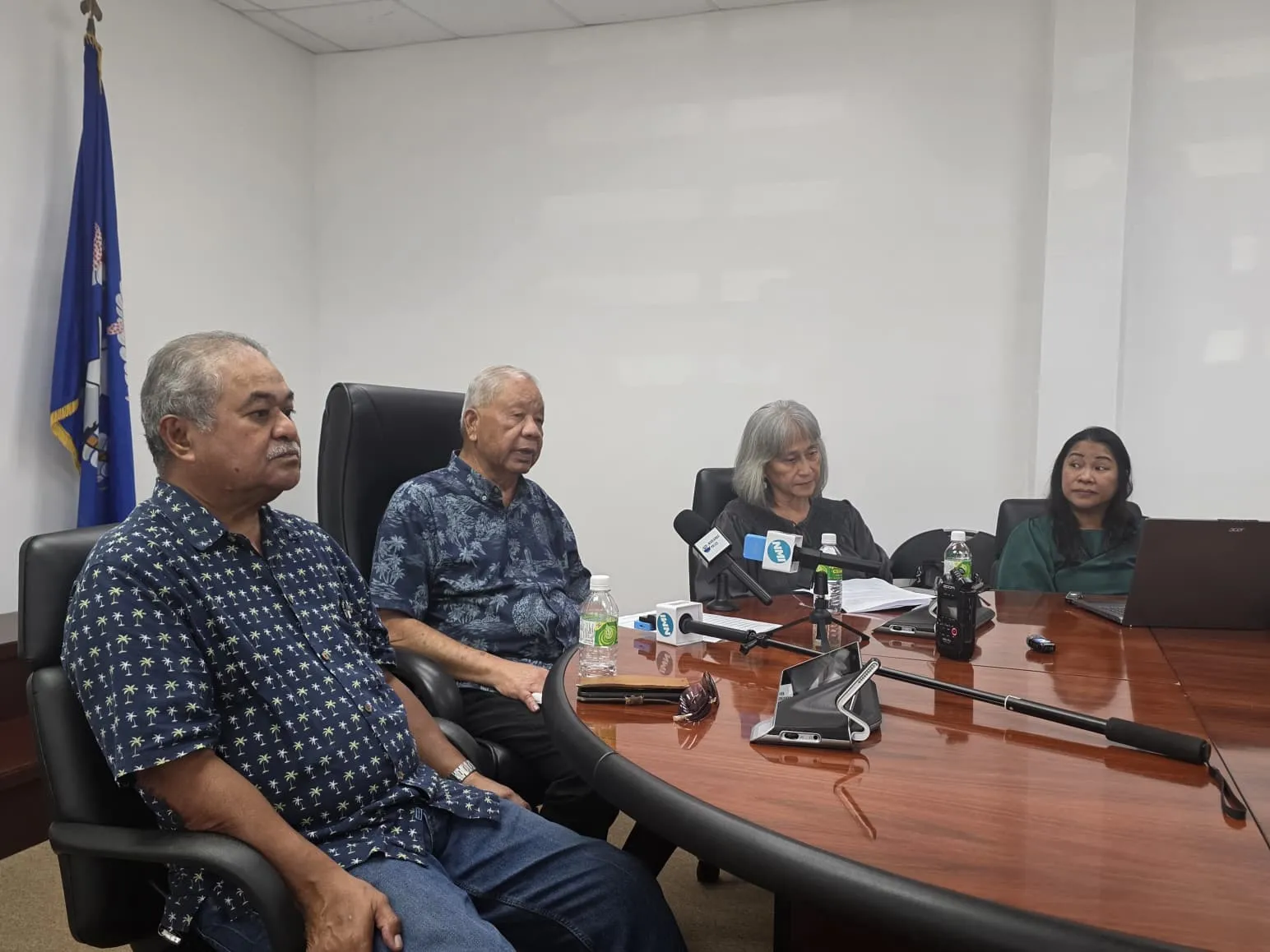
Sablan said H.B. 22-77 was “developed” with the Commonwealth Healthcare Corp., the Office of the Attorney General as well as stakeholders who submitted comments during public hearings conducted by the House Health and Welfare Committee which she chairs.
She said four public hearings were conducted on Saipan, Tinian, and Rota.
“We worked closely with CHCC’s leadership, and reviewed the testimonies and data received from CHCC, the Office of the Attorney General, the Medical Referral Services Program, the Department of Finance, the special assistant for administration, the mayors and health center directors of Rota and Tinian, and concerned citizens. The bill lays out the fundamental duties and responsibilities of the Qualified Medical Travel Assistance Program, protects CHCC from absorbing past financial liabilities for medical referral, directs the agency to administer [the Medical Travel Assistance Program] within the limits of general fund appropriations for the program, and provides for a transition of off-island medical referral services to CHCC,” she added.
CHCC officials earlier told lawmakers that the main problem with the medical referral program was lack of funding.
They said the medical referral program costs about $21 million a year, but only $3 million was usually appropriated by the government.

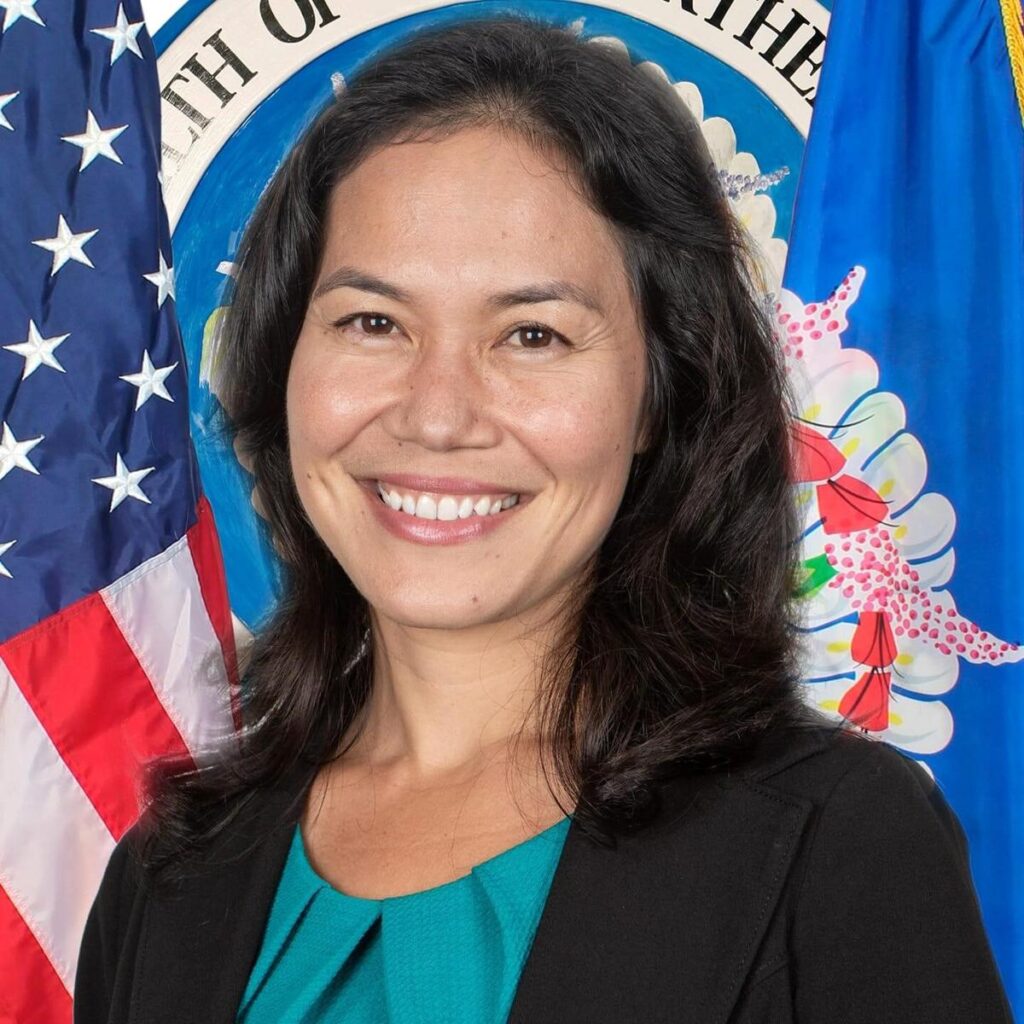
Tina Sablan
