


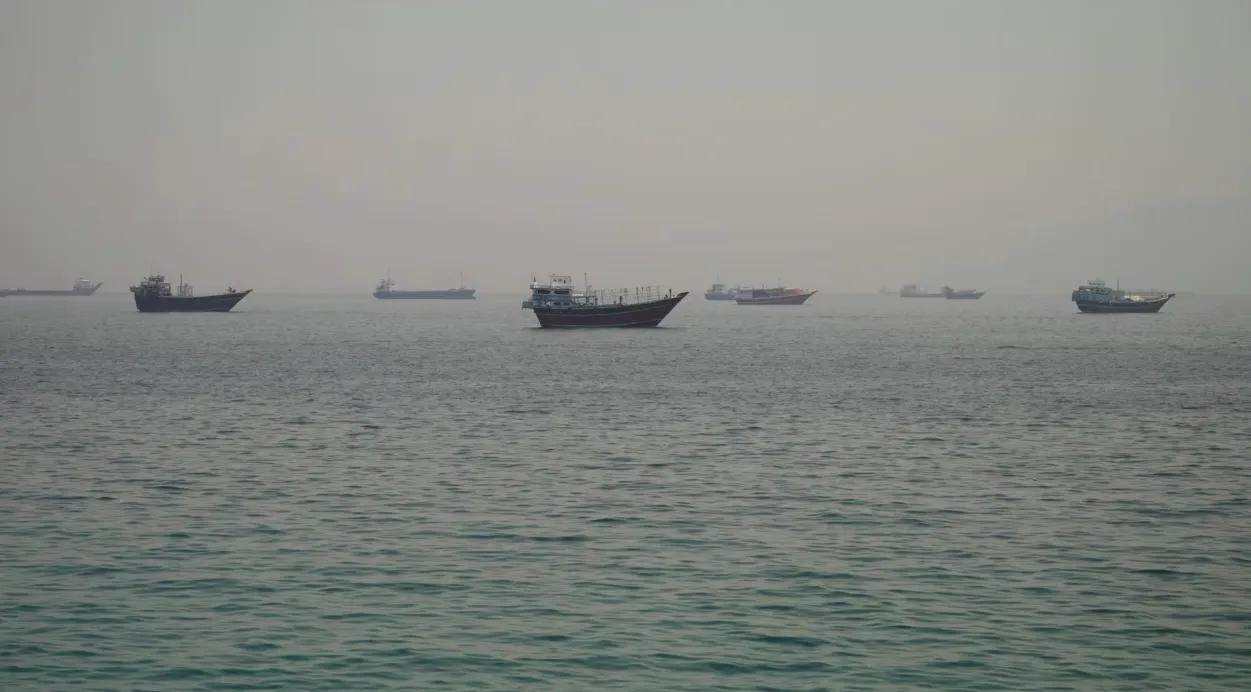




One of the initiatives agreed on was to reaffirm their decision to close off additional high seas for tuna commercial fishing commencing on January 2011.
In the joint communiqué signed Saturday, July 31, President Johnson Toribiong, FSM president Emmanuel Mori, RMI president Jurelang Zedkaia and Nauru Foreign Affairs Minister Dr. Kieren Keke however said that the vessel day scheme for long line fisheries is a priority.
The leaders will also be proceeding with a full assessment of the free school skipjack fisheries using the Marine Stewardship Council which can result to countries that make up the Parties to the Nauru Agreement as the first skipjack purse seine fishery certified globally and this could bring additional economic benefits and investment to the region.
Nauru, Palau, FSM and RMI are part of the PNA which is aiming to control access to tuna in its waters and increase benefits for them.
In the summit in Palau , the leaders said it will be a priority to require vessel owners can purchase and trade days fishing at sea.
The leaders also pushed for the development of trading mechanism under the scheme to strengthen its implementation and impose hard limits “ to assist in in the efforts to establish more sustainable levels of fishing.”
The tuna industry in the region is a multi –billion industry, approximately $4 billion, but the region is getting a dismal profit from it.
The Pacific tuna fishery has a total access revenue of $60 million or a five percent of the traditional value annually.
The three presidents are again urging the developed nations to help small island countries through funding assistance in combating the adverse impacts of climate change.
Toribiong for his part said they will move slowly towards alternative energy or green revolution.
Keke for his part said that the ongoing debate on climate change will undermine the countries development initiative.
He said that the failure of the United States Congress to pass a climate bill recently and “ a lack of political will among many countries to take on legally binding commitments to reduce their greenhouse gas emissions has meant that reaching a strong and comprehensive agreement to address climate change we believe is growing increasingly remote.”
He said the small island nations itself must continue and revise their own adaptation strategies if the bigger and more developed countries do not commit to the climate change agenda.
The three other leaders agreed with Nauru for a need for more adaptation projects on the ground and share information.
