

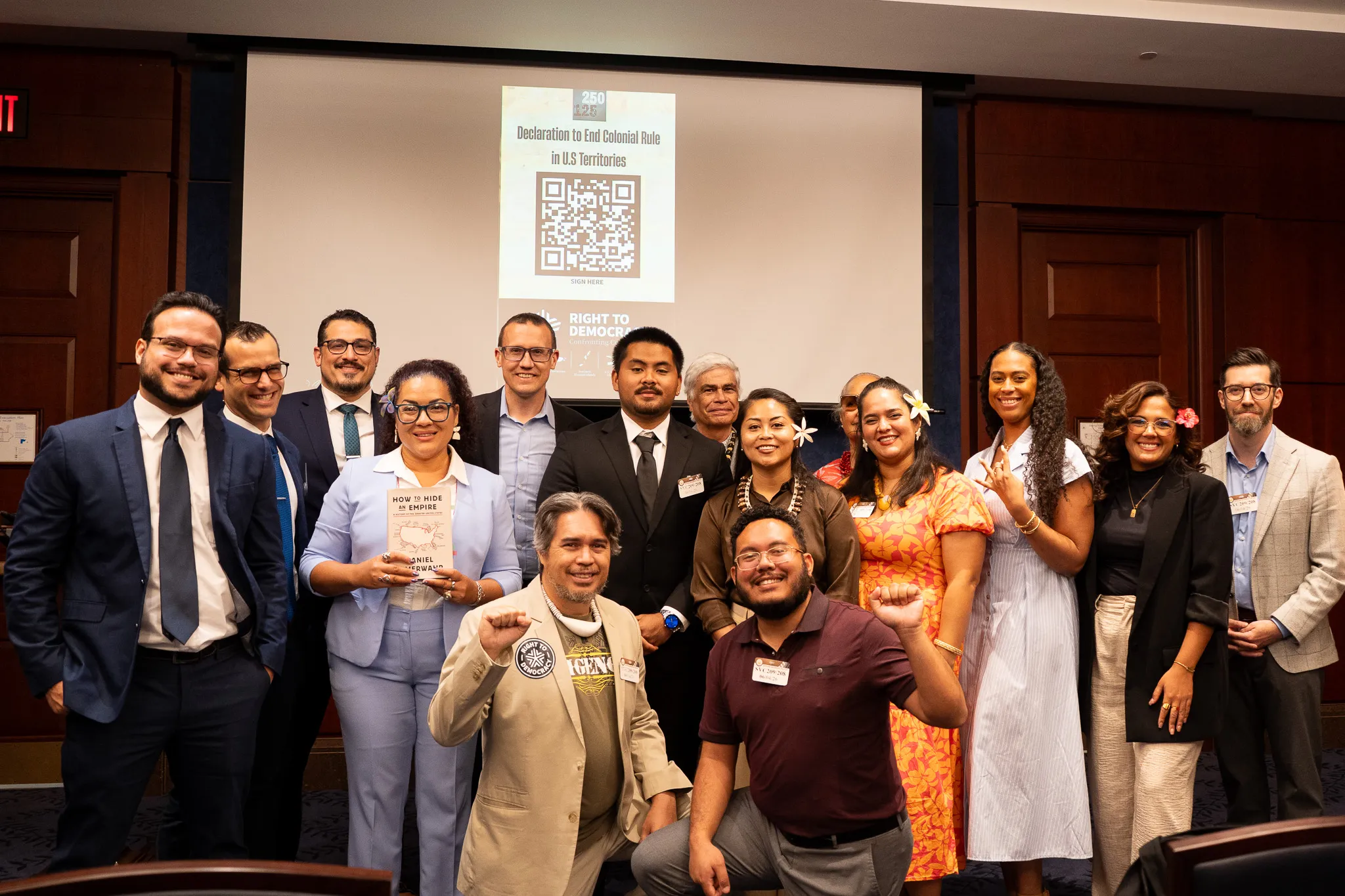





The four government officials are: Ms. Maylene Joshua, Administrative Specialist; Mr. Singero Franz, Hazard Mitigation Officer; Mr. Ngotel Browny, Civil Preparedness Officer of the National Emergency Management Office (NEMO) and Mr. Russel Roman, Inspector of Capital Improvement Projects of the Ministry of Public Infrastructure, Industry and Commerce.
Based on the outcome of the 13th Association of South-East Asian Nations (ASEAN) Summit and the 5th Pacific Islands Leaders Meeting (PALM 5), Japan proposed to implement disaster prevention education for youths of ASEAN and Pacific Island Countries (PIC) members. The Disaster Prevention Cooperation Program is part of a scheme to build concrete relationships between ASEAN, PIC, and Japan in various fields, namely disaster prevention, youth exchange, environment protection, development of sustainable economies and politics. The purpose of the program is to provide exchange between young government officials, professionals, and university students of ASEAN, PIC, and Japan.
Designed to highlight three important points, the programs objectives are introduce concrete efforts, measures on disaster prevention by central and local government/communities of Japan; Share is issues on disaster prevention in other participating countries; and establish strong network of youth among Japan, ASEAN and PIC.
These objectives will be met through activities such as lectures, visits to disaster prevention-related facilities of both central and local government/communities, home stay programs, exchange program with Japanese youths and discussion on the current state of disaster prevention in each country thereby advancing and enhancing the relationship among member countries.
Joining the four-member Palau delegation in Japan will be counterparts from 10 ASEAN and 12 PIC countries and regions. These representatives in their various capacities have the common responsibilities to enhance disaster resilience and to strengthen effective mechanisms and capabilities to prevent and reduce disaster losses in lives, in social, economic, and environmental assets. Through the programme, the participants can build a working network of information exchange enabling member countries to jointly respond to disaster emergencies through concerted national efforts and intensified regional and international cooperation.
According to Ambassador Sadaoka, worsening climate phenomena due to climate change is a real threat to ASEAN and PIC countries. In this connection, the program will provide for an excellent opportunity for future leaders of ASEAN and PIC to learn from Japan’s vast experience with natural and man-made disasters as well as effective disaster prevention and reduction programs. The learning opportunities and experience sharing among representative countries is one of the first steps to increasing each country’s capability to cope and withstand worsening climate phenomena.
//
