



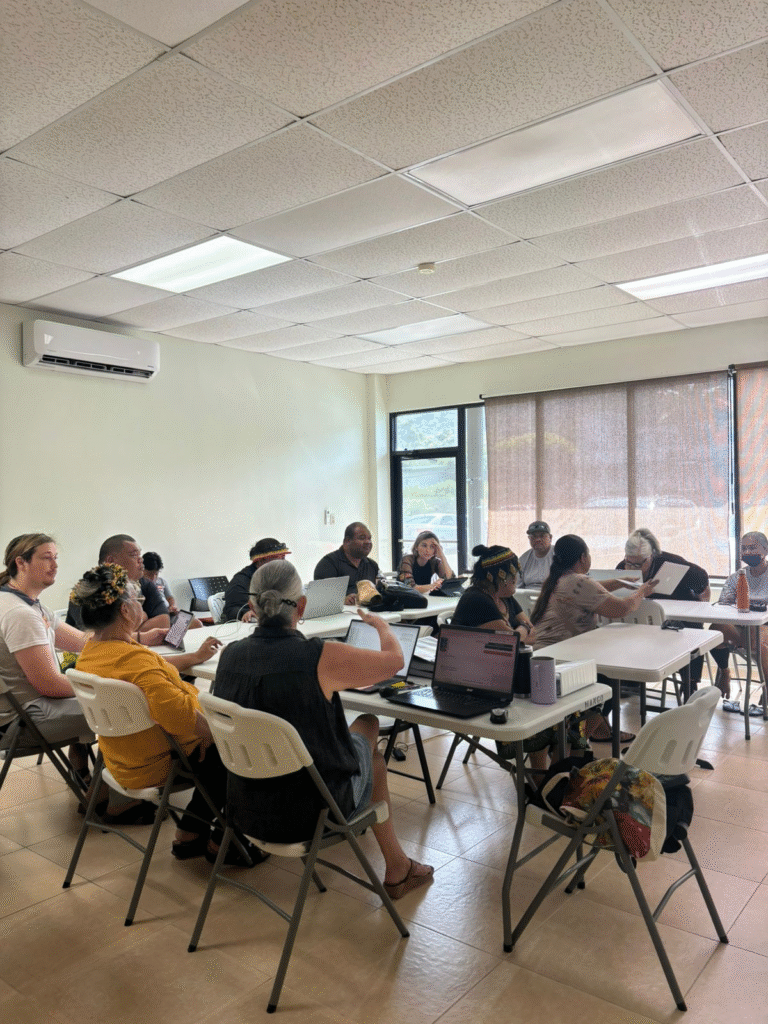
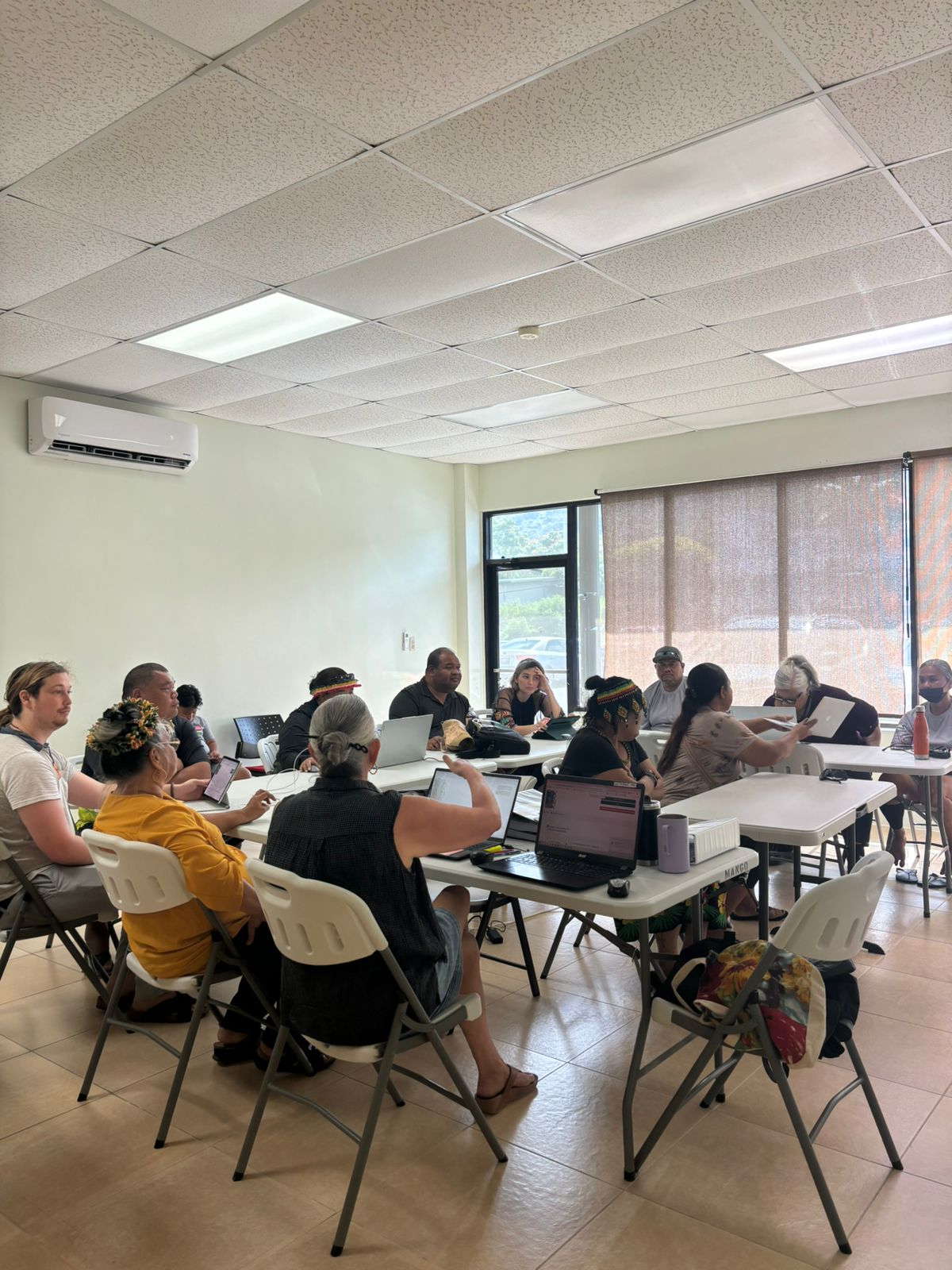
The Commonwealth Council for Arts and Culture hosted a workshop on May 6 and 7 at the Marianas Alliance of Non-Government Organizations office to help artists and cultural practitioners become a registered artist in the CNMI.
THE Commonwealth Council for Arts and Culture hosted a workshop on May 6 and 7 to help artists and cultural practitioners apply online for CCAC grant funds available at ccac.gosmart.org/.
The new grants management system streamlines the process for both applicants and CCAC staff by providing digital forms for each stage of the application, tools for panel review, and data reporting.
CCAC aims to launch the full version of the website this week. The website development was funded by Creative West’s Pacific Jurisdictions Agency Resource program. GO Smart is a program that is also used by state arts councils in Guam, Hawaii, and Alaska.
At last week’s workshop session, participants received guidance from CCAC staff and other artists regarding the kind of information they should submit online.
Victoria Sewell, who won this year’s Bridge Capital LLC art contest, was one of the artists on hand as a tester. She said she appreciates the digital application process.
“It’s a lot more streamlined, which is going to help a lot,” she told Variety, adding that an online process can help artists spot any gaps or missing materials in their submission.
Quinn said that during the workshop, CCAC walked participants through the application process and encouraged them to give each other feedback on their own grants.
“It was really exciting because some of the artists there had never had anyone speak to them about grants before,” she said.
She said that through grant funding, artists can be assets to the community.
“As an artist, I believe grants are so important because artists are here to uplift and strengthen our cultures. It’s why the federal government has always, in more modern times, been so intentional about supporting the arts. Artists can use grants to cover the cost of things like supplies or things they want to do in the community,” she said.
It ensures that artists aren’t just sacrificing time and materials, but are also compensated and supported through grant funding, which enables them to give even more, she added.
Indigenous Affairs Office Resident Director Louella Marciano was present at the workshop to help because her office can only work with artists if they are officially registered.
“When we have outreach in the community or [for example] at the Flame Tree [Arts Festival] or at the Taste of the Marianas, when we have demonstrations, we hire these cultural practitioners. This is where we need them to be a registered artist so we can tap into the process to pay them. We cannot have just anyone walk into the office and say ‘we want to do art,’ ” she said.
“I love it,” Marciano said of the online process. “It’s user friendly and minimizes all the paperwork.”
