






By Walter Ulloa
For Variety
HAGÅTÑA (The Guam Daily Post) — Govs. Lou Leon Guerrero of Guam and David Apatang of the CNMI are asking federal ocean officials to send a representative to the two territories for village and community forums before the Jan. 12, 2026, deadline for public input on a deep-sea mining proposal.
The two leaders sent a joint letter to the Bureau of Ocean Energy Management on Dec. 17, requesting an official visit to provide clear information about the federal agency’s plan to lease more than 35 million acres of ocean floor for mineral extraction near the Mariana Trench.
“Our communities deserve clear, accessible information regarding the intent, scope, and potential impacts of the (request for information), and in-person engagement is the most effective way to ensure transparency and informed public participation,” the governors wrote to BOEM acting Director Matthew Giacona.
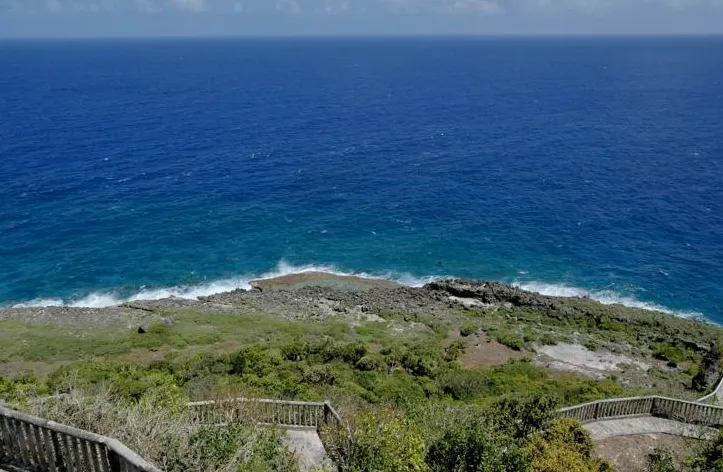
The request comes a few weeks before the comment period closes on the agency’s proposal to gauge commercial interest in mining the outer continental shelf off the CNMI. The waters targeted for potential leasing sit between Guam and Rota, the southernmost island of the Commonwealth.
Leon Guerrero and Apatang are also standing firm on their earlier request for a 120-day extension of the comment period, which they first submitted to BOEM on Nov. 15. The agency granted a 30-day extension in mid-December, pushing the deadline from Dec. 12, 2025, to Jan. 12, 2026.
But the governors said that’s not enough time for their governments, communities, and regional stakeholders to provide comprehensive feedback on the environmental, economic, cultural, and jurisdictional implications of deep-sea mining.
“An extension remains essential to ensuring the integrity, inclusivity, and transparency of the review process,” the letter states.
The governors emphasized that limited federal engagement with island communities has made the need for in-person outreach more urgent. They pointed to BOEM’s own acknowledgment in the request for information that the agency intends to work with the CNMI government and engage with indigenous peoples of the CNMI, including CHamoru and Carolinian people, on economic, environmental, cultural, and public health concerns.
“An in-person visit is critical to honoring these commitments and ensuring fairness, transparency, and robust federal-territorial consultation,” the governors wrote.
They said a visit would also give BOEM the chance to hear directly from the communities most affected by any future mining operations. Traditional knowledge and technical expertise held within the islands would strengthen the quality and accuracy of the agency’s analysis, according to the letter.
The mining proposal has drawn intense opposition across both territories. As of Tuesday, more than 1,000 comments had been submitted to the federal docket, with lawmakers, community leaders, and environmental advocates raising concerns about potential damage to one of the world’s deepest ocean ecosystems.
The situation in Guam and the CNMI mirrors what happened in American Samoa earlier this year. That territory submitted approximately 76,000 comments during its comment period, with roughly 98% opposing a similar deep-sea mining proposal. Despite overwhelming public opposition, BOEM announced it would move forward with environmental review.
Sabrina Suluai-Mahuka, executive director of American Samoa’s Resilience Office, told The Guam Daily Post in December that the limited extension and BOEM’s approach to public engagement in the Marianas reflected the agency’s handling of the American Samoa proposal.
“I also thought that over 70,000 comments was quite significant,” Suluai-Mahuka said. “In comparison to our territory, that number is significant, but they have no threshold.”
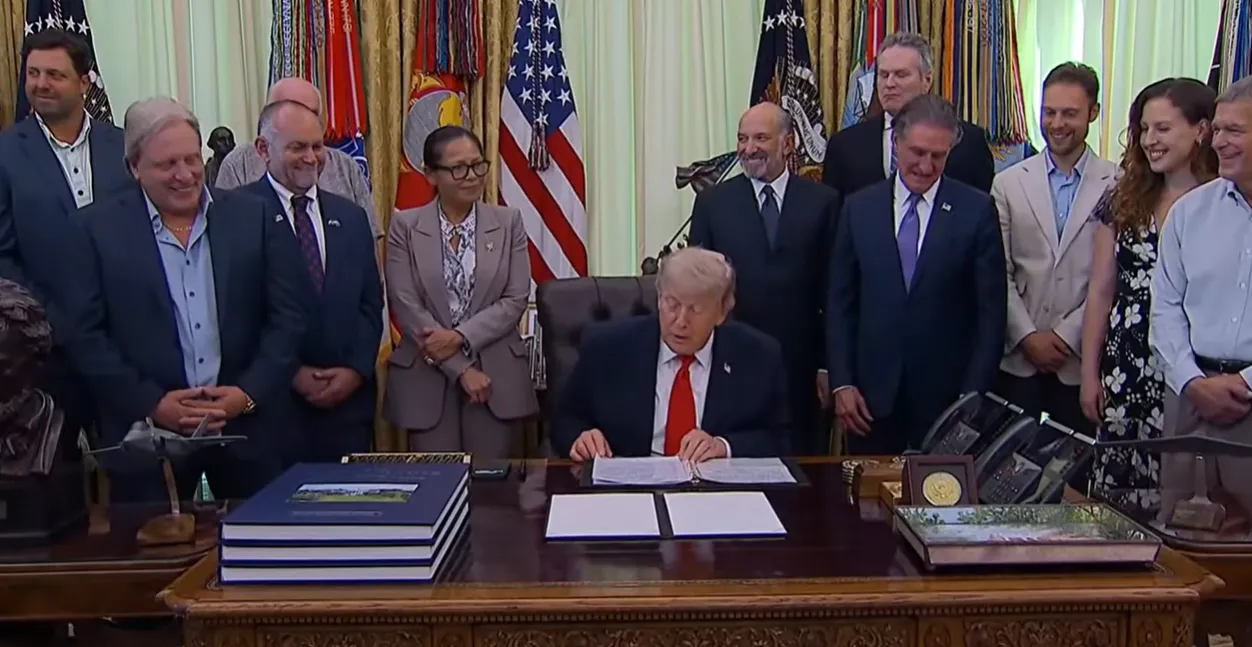
The federal push for deep-sea mining accelerated after President Donald Trump issued executive orders earlier this year declaring a national energy emergency and directing agencies to fast-track critical mineral development. The administration says minerals on the ocean floor are essential for defense systems, infrastructure, and technology.
But island leaders have questioned whether territories would see any real benefit from mining operations, with some lawmakers tying any discussion of mineral exploration to economic relief for Guam, including lifting Jones Act restrictions.
The governors closed their letter by thanking BOEM for its consideration and continued partnership in advancing responsible ocean governance and sound resource management in the region.
Comments on the proposal can be submitted at regulations.gov under docket number BOEM-2025-0351-0001.
