






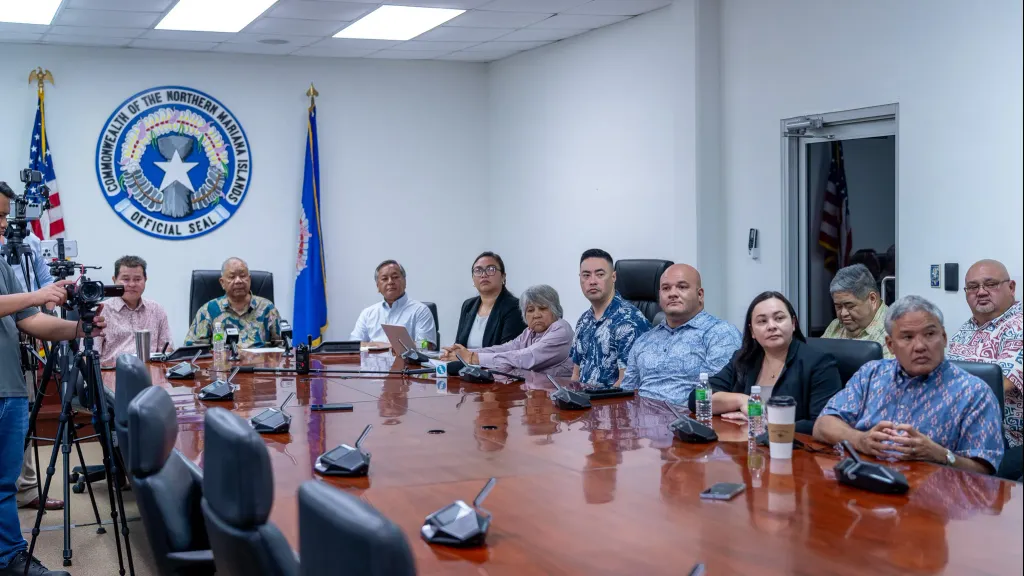
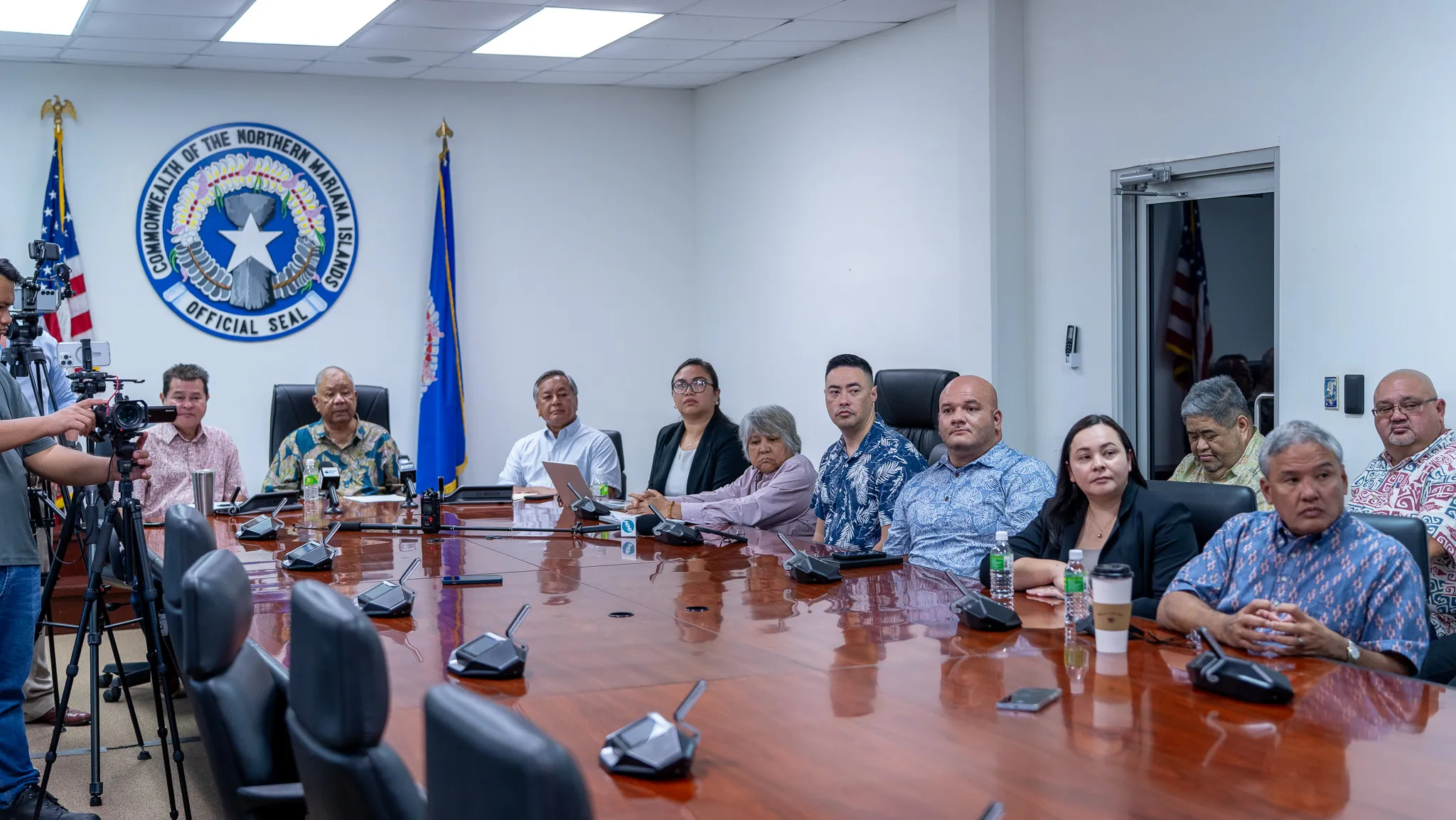
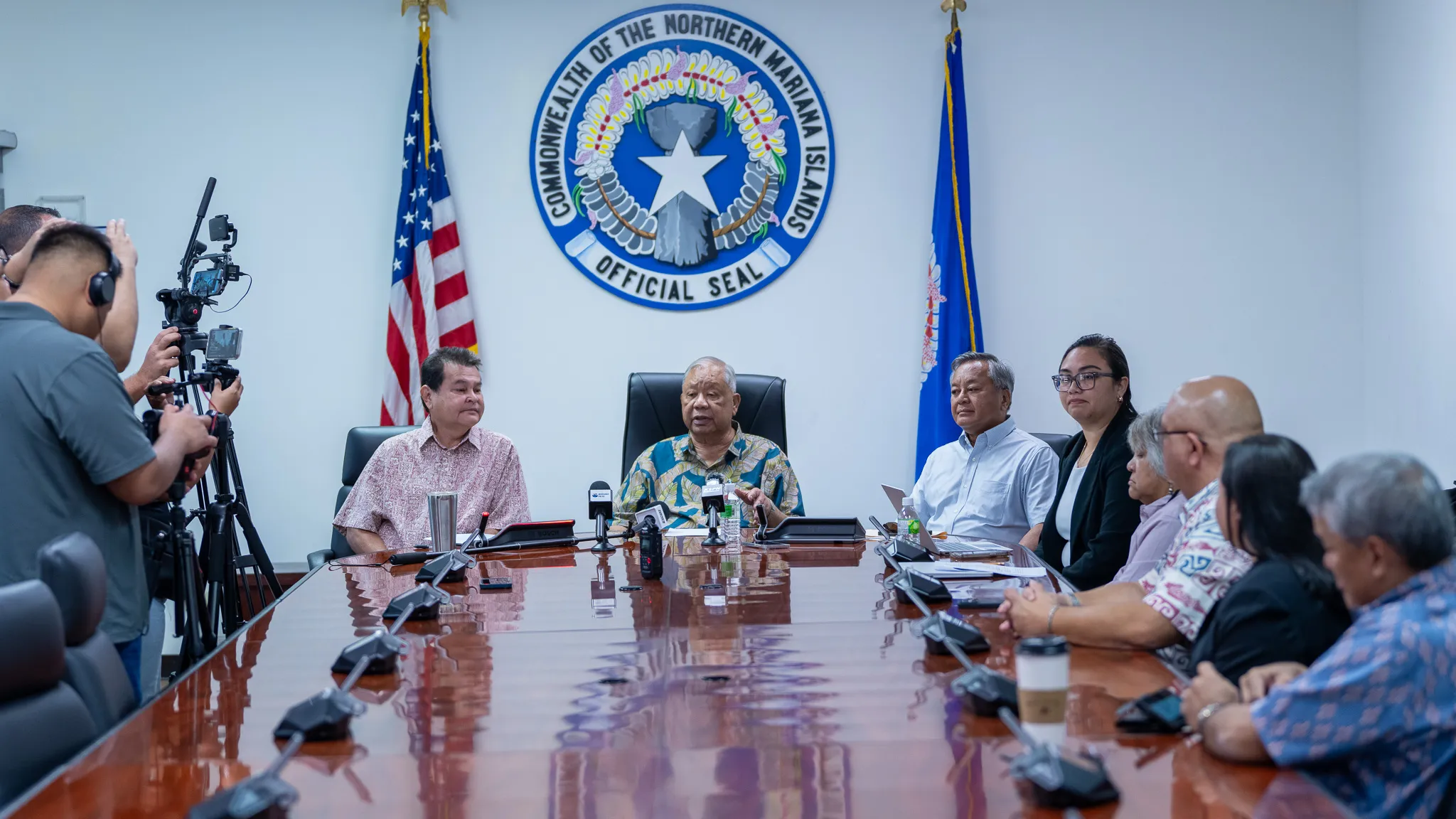
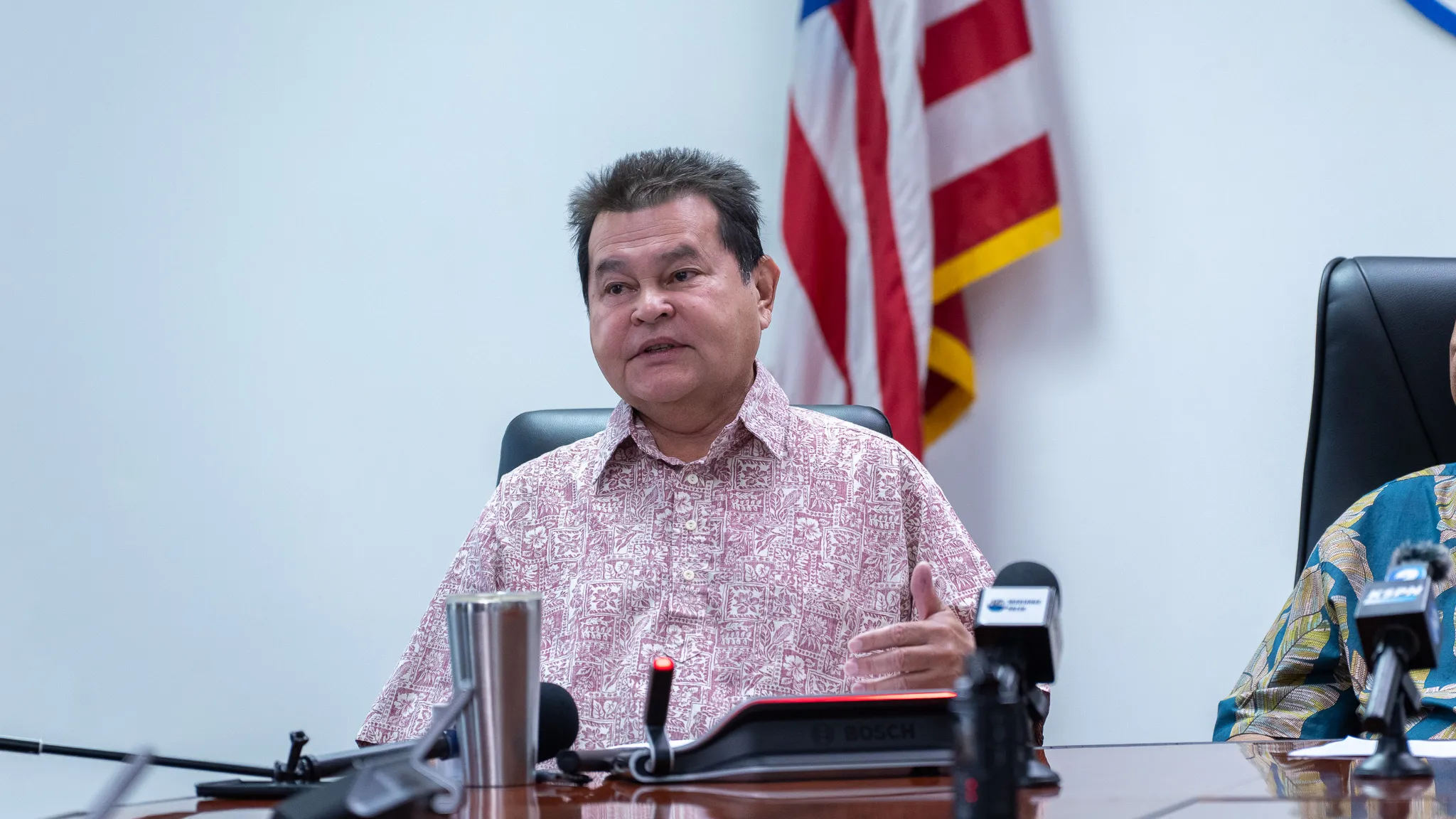
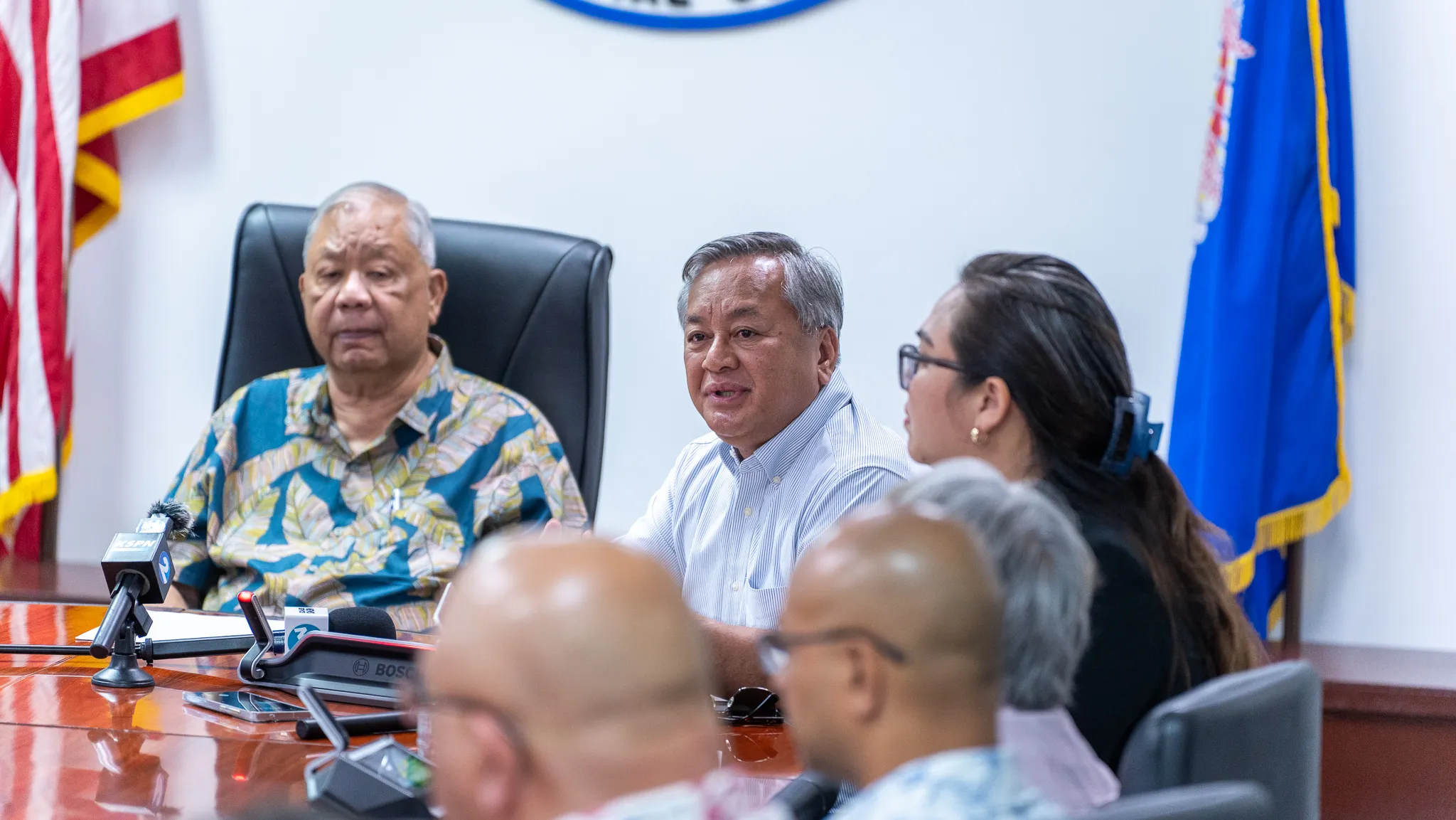
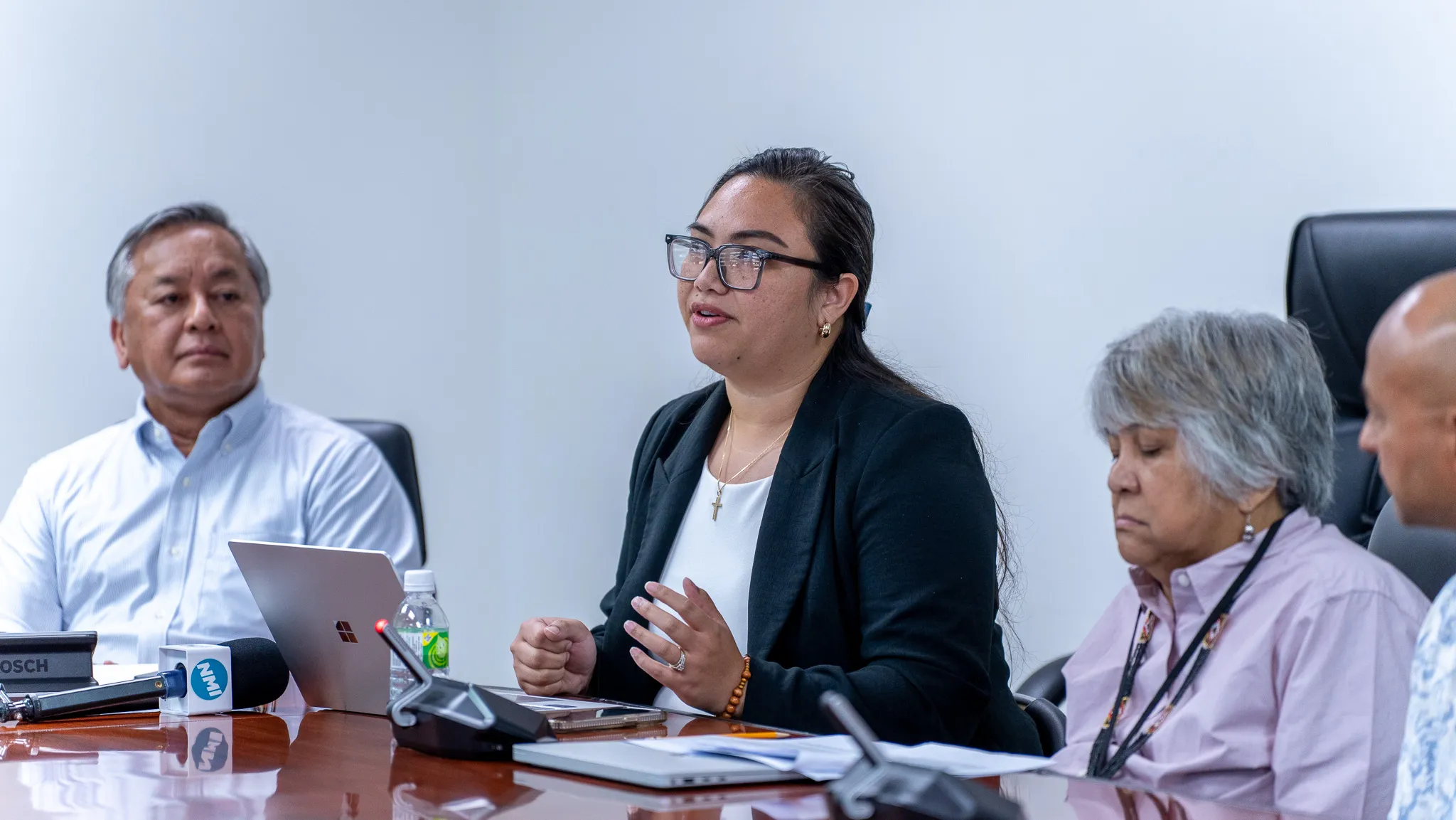
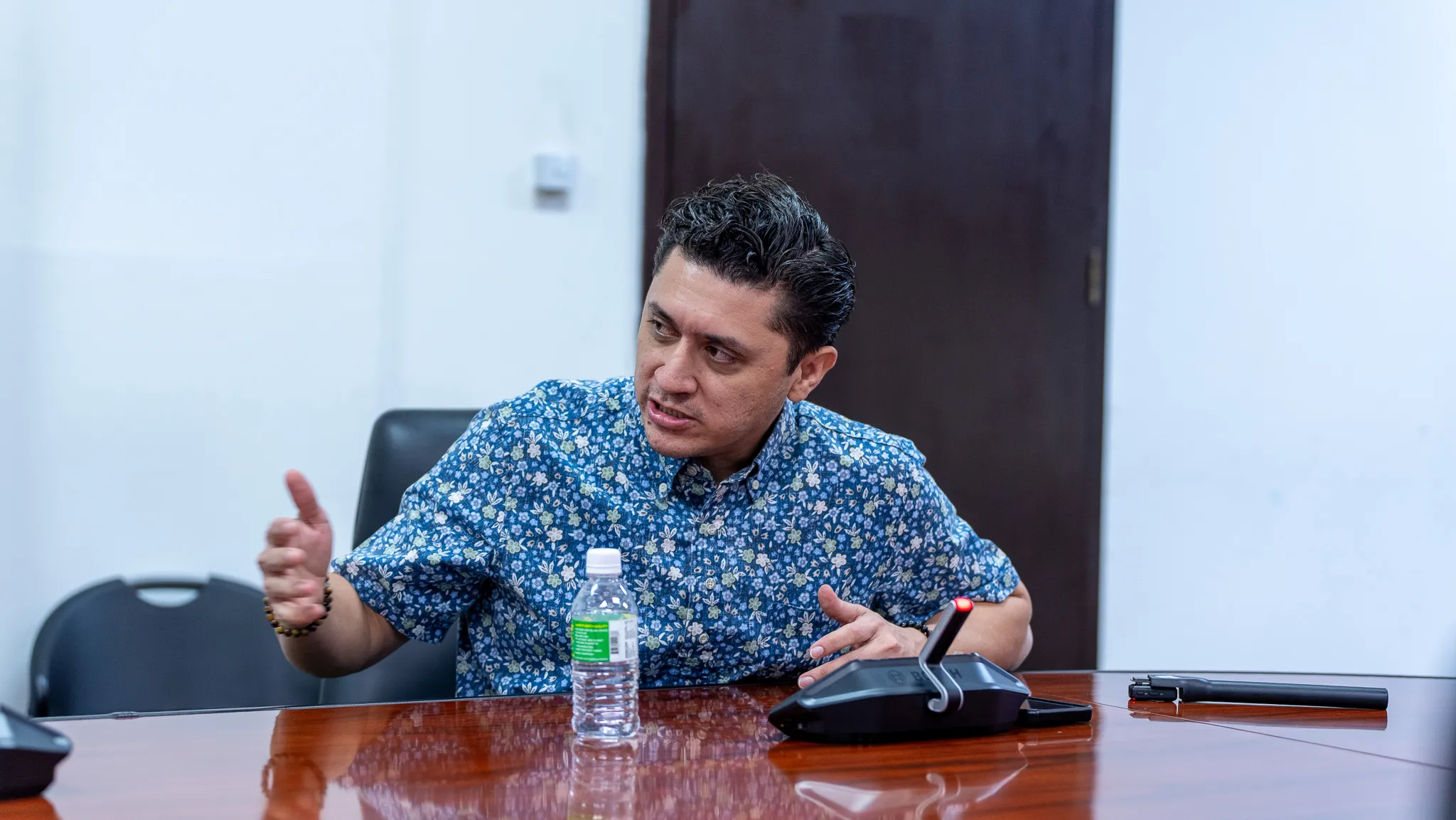
(Office of the Governor) — The Commonwealth of the Northern Mariana Islands concluded a series of high-level meetings in Washington, D.C. on Feb. 17–20, 2026 as part of the Section 902 consultations with federal partners as reported in a press conference held on Wednesday, March 4, 2026.
Led by Gov. David M. Apatang, the CNMI delegation met with senior officials across the federal government to strengthen the Commonwealth’s partnership with the United States and advance practical solutions for long-term economic stability.
The discussions emphasized fiscal accountability, workforce sustainability, and the CNMI’s growing role as a strategic national security partner in the Pacific.
Throughout the week, Commonwealth leaders worked to ensure that federal officials fully understand the unique economic and geographic realities facing the islands — from workforce limitations and air connectivity challenges to the CNMI’s importance within the broader U.S. Indo-Pacific strategy.
“We are seeing minds being changed and eyes being opened,” political strategist Jason Osborne shared in the press conference.
Unified delegation
This year’s consultations were marked by an unprecedented level of collaboration between the governor’s office, the CNMI delegate to the U.S. House of Representatives, and private sector leadership.
Representing the Commonwealth were:
• Henry Hofschneider, chief of staff to the governor
• Clyde Norita, senior policy advisor
• Tracy Norita, secretary, Department of Finance
• Virginia Villagomez, special assistant, Office of Management and Budget
• Mike Sablan, senior vice president of Triple J Inc. and special advisor to the governor
• Joe Guerrero, president of the Saipan Chamber of Commerce and co-chair of the Governor’s Council of Economic Advisers
• Alex Sablan, vice president of corporate business development, Tan Holdings Corporation and chair of the Committee on Tourism, Infrastructure, and Sports
• Brian Sers Nicholas Jr., policy advisor, Commonwealth Bureau of Military Affairs
• Jamika Taijeron, managing director, Marianas Visitors Authority
The delegation was further supported by former Judge Wesley Bogden as legal counsel and political strategist Jason Osborne.
Governor Apatang also recognizes the critical partnership of CNMI Delegate Kimberlyn King-Hinds and her Senior Policy Advisor Matthew Deleon Guerrero for their leadership and coordination in advancing the Commonwealth’s priorities during the consultations.
During the meetings, the CNMI delegation focused on several priority areas aimed at strengthening economic stability, improving government accountability, and deepening federal collaboration.
Building long-term fiscal stability
The U.S. Department of the Interior is considering a negotiated multi-year assistance framework designed to provide greater fiscal predictability for the Commonwealth while reinforcing financial accountability. The proposal would align federal support with performance benchmarks, audit remediation, and formal fiscal policy commitments from the CNMI government.
Discussions also continued with the U.S. Department of the Treasury regarding the Commonwealth’s interpretation of tax “cover-over” provisions under Section 703(b). To support further review, both sides agreed to establish a technical working group to examine the issue in detail.
Expanding defense-related economic opportunities
Engagements with the U.S. Department of Defense focused on strengthening the CNMI’s role in supporting U.S. operations in the Pacific while identifying opportunities that could generate local economic activity. Discussions included potential property leasing arrangements and expanded military-related activities within the Commonwealth. Federal partners are also exploring the possibility of increasing naval ship visits and conducting light repair work at CNMI ports — such as chipping and painting — which could create additional revenue and employment opportunities for local businesses. Strengthening the Workforce System
The CNMI also engaged the U.S. Department of Labor on long-term workforce solutions tailored to the Commonwealth’s unique economic structure.
Federal officials expressed openness to reviewing draft legislation that could replace the CW-1 visa program with a system better aligned with the CNMI’s labor market needs. The Commonwealth also highlighted its strong immigration compliance record, including an extremely low overstay rate of just 0.25% in 2025 under the EVS-TAP program. The U.S. Department of Homeland Security is also exploring ways to improve petition prioritization and stabilize renewal adjudications for employers operating in the Commonwealth.
Addressing air service challenges
Tourism leaders raised concerns about the region’s ongoing air connectivity challenges, including the impact of the Korean Air and Asiana merger on available routes to the islands.
The CNMI is working with federal partners to explore diplomatic solutions that could help restore flight capacity and maintain competitive access to key tourism markets. Discussions also included the potential expansion of the Essential Air Service program to strengthen inter-island connectivity and stabilize airfare costs.
Public safety and national security
As part of the consultations, the Commonwealth reaffirmed its commitment as a responsible national security partner. During discussions with the U.S. Department of Homeland Security, the CNMI offered to house ICE detainees at the Saipan detention facility — a proposal that DHS expressed strong interest in exploring further. Additional conversations focused on strengthening coordination with the United States Coast Guard and expanding regional efforts to combat human trafficking and transnational crime.
As a result of the consultations, the CNMI and its federal partners have established several working groups to continue advancing key initiatives, including defense leasing opportunities, Treasury technical reviews, and workforce policy solutions. Governor Apatang emphasized that the discussions mark an important step toward a stronger and more coordinated partnership with the federal government.
“Progress requires sustained collaboration, and that work is now well underway,” the governor said. “By strengthening fiscal discipline, reinforcing accountability, and working closely with our federal partners, we are building a more stable and prosperous future for the people of the Commonwealth.”
