





HAGÅTÑA (The Guam Daily Post) — Legislation that would exempt cannabis-related businesses from testing requirements pending the establishment of a testing laboratory saw support from those testifying about the measure on Thursday, although some recommendations also were suggested.
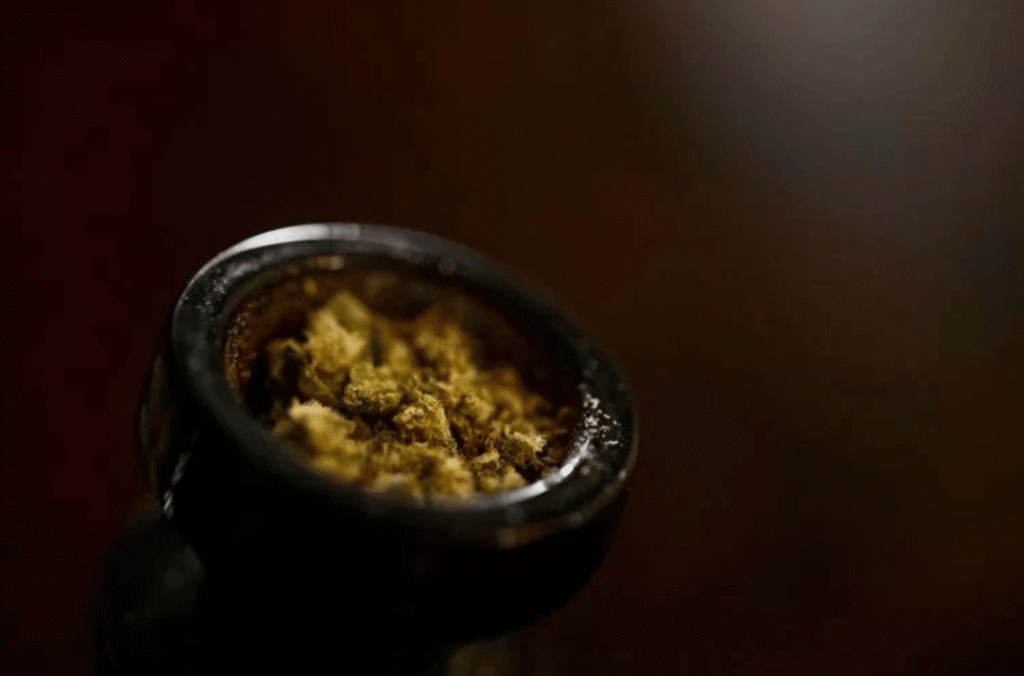
Bill 260-37, from Sen. William Parkinson, would make delivering, distributing or selling cannabis to consumers or other cannabis businesses part of the law outlining the lawful operation of cannabis-related facilities if there is no testing facility on Guam that is ISO 17025 accredited or certified by the Americans for Safe Access Patient Focused Certification Program, provided that the cannabis, to mean the flower only, is marked with a label indicating potency.
That label should include the total amount of cannabinoid content, including tetrahydrocannabinol (THC) and other phytocannabinoids, such as cannabidiol (CBD), cannabigerol (CBG) and tetrahydrocannabivarin (THCV).
Once a cannabis testing facility is licensed by the Cannabis Control Board, all cannabis must be tested as required by applicable rules and regulations, according to Bill 260.
Under current regulations, a testing laboratory remains integral to developing a commercial cannabis industry on Guam, as no cannabis or cannabis products can be sold without being tested for potency and safety. There is one business attempting to set up a cannabis testing laboratory on Guam, but it has yet to open its doors.
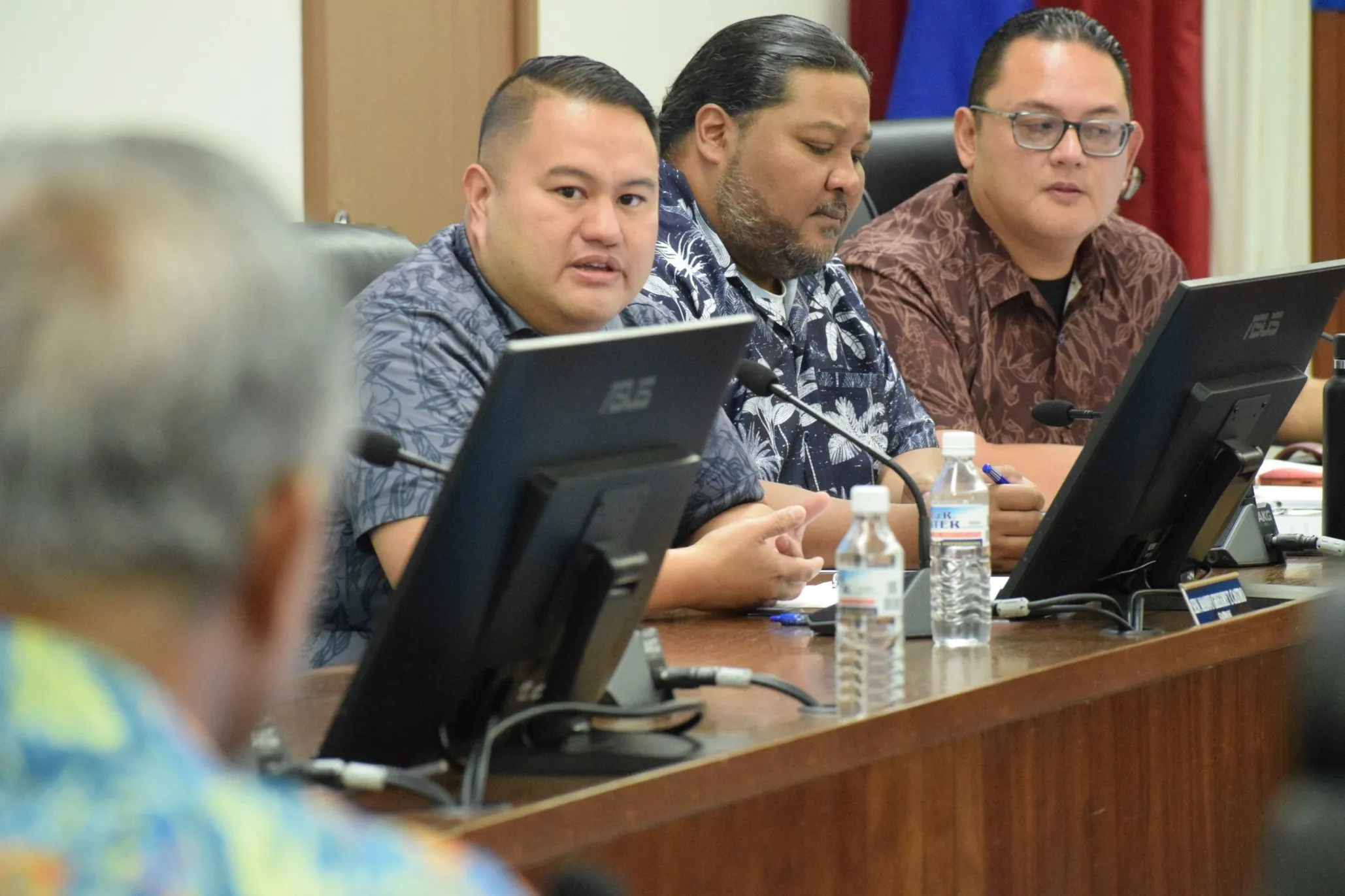
Parkinson said Thursday that Bill 260-37 is “a matter of critical importance” for the advancement of Guam’s cannabis industry. While the testing requirement is well-intentioned, Parkinson said, it had inadvertently stymied the development of “a regulated, safe and economically beneficial cannabis market.”
“The absence of a licensed retail cannabis testing lab has led to an unintended and unfortunate stalemate. Retail cannabis businesses … find themselves at an impasse, unable to open their doors to the public. And then potential lab businesses … remain on the sidelines, hesitant to invest in facilities and operation without a clear understanding of the market they will serve – a market currently obscured by the very absence of these operational retail labs and outlets,” Parkinson said Thursday.
Kayla Del Rosario presented testimony on behalf of the Homegrown Collective Guam, which she said was created to unite cannabis advocates and allies. Del Rosario said members of the collective support Bill 260, but also had some suggestions for labeling to ensure that the community is accessing safe, clean and quality cannabis flower.
“As we do agree that cannabis flower must be marked with a label indicating the potency of cannabis, … there is much that this (bill) does not consider, such as a clear standard of how people are getting present cannabinoid percentages, or also a recommendation of method or equipment. There is no specifications of the amount, strain or terpenes of cannabinoid, batch number, date of harvest or sales, nutrients or chemical additives used to grow the flower,” Del Rosario read out from a written statement.
She added that the bill also does not contain a requirement for a Guam product seal or something similar, nor does it require disclaimers that cannabis contained in packages has not been tested for contaminants or that cannabis use can be addictive and can impair a person’s ability to operate vehicles or heavy machinery.
Labels also should contain disclaimers that marijuana smoke contains carcinogens and can lead to an increased risk for cancer or other diseases, she said, as well as a notice to keep cannabis out of the reach of children.
Del Rosario said there should be fines for improper labels.
“We hope that this list can provide optional inclusions of what cultivators are required to share with consumers and the community,” Del Rosario added, further stating that cultivating cannabis without a lab should seamlessly follow guidelines for all agricultural producers, such as obtaining a bona fide farmer’s license.
Some testimony from others on Thursday said Bill 260 strikes a balance between public safety and starting a legal cannabis market on Guam, while other comments noted that once testing is required, cannabis prices are bound to increase because of associated costs.
The fiscal note on Bill 260 states that, should the measure pass, the government of Guam may realize actual revenues through applicable taxes, but absent pertinent information from the Department of Public Health and Social Services and without historical data to refer to, the fiscal impact to GovGuam could not be determined.
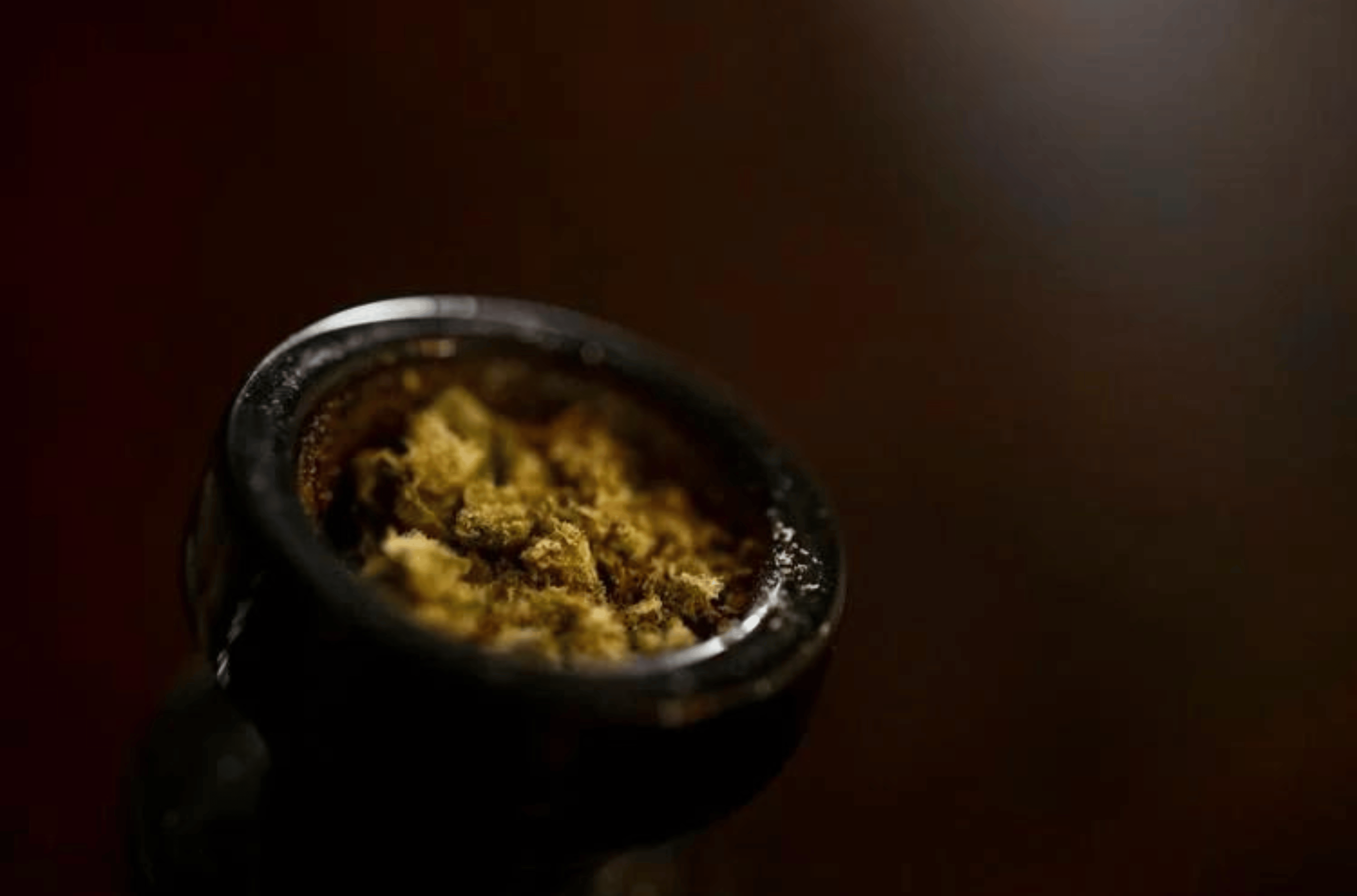
Though the sale and use of cannabis products have been legalized on Guam, without definitive rules and regulations, the market remains in limbo.
