



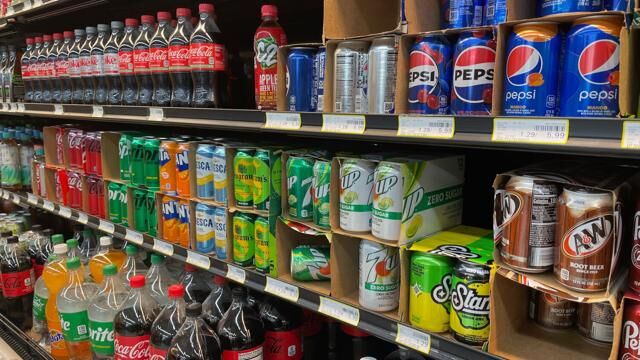
HAGÅTÑA (The Guam Daily Post) — Parents of preteens or teenagers should think twice about buying them highly caffeinated drinks, according to Public Health officials.
A press release from the Department of Public Health and Social Services advised parents of the adverse effects caffeine has on youth.
“Children and teens might reach for an energy drink to help them wake up or a sports beverage marketed as a way to improve their performance. But they may not realize that the sugar and caffeine in these beverages can be harmful to their health,” the American Academy of Pediatrics said on its website.
While adults can safely consume up to 400 milligrams of caffeine a day, youth 12 to 18 should not exceed 100 milligrams, the Guam Department of Public Health and Social Services said, noting that children under 12 shouldn’t drink caffeinated drinks at all.
“Overconsumption of caffeine, at any age, can lead to sleep deprivation, anxiety, nausea and lack of appetite, headaches and dizziness,” according to the National Institutes of Health.
Guam Public Health warned the community that different drinks have different amounts of caffeine. While coffee has roughly 80 to 100 milligrams of caffeine, energy drinks like Monster have 160 mg of caffeine, while Red Bull has 80 mg. Prime Energy, PepsiCo’s Celsius, and Gatorade’s Fast Twitch have the highest caffeine content at 200 mg each.
Quoting the July 2023 Consumer Reports online article, “The Truth about What’s really in Prime Energy Drinks,” Public Health said, “Caffeine’s effects are dose-dependent, meaning kids might experience more side effects due to their smaller size.”
Too much caffeine can lead to an overdose, DPHSS said.
“Symptoms can include rapid or dangerously erratic heartbeat, seizures and death. Vomiting, diarrhea, stupor (a state of near-unconsciousness or insensibility) are also symptoms of caffeine toxicity. In 2023, it was reported that one child in the country of Wales underwent cardiac arrest after consuming Prime Energy drinks, resulting in some schools within the United Kingdom banning the product completely,” Public Health said.
Instead of giving children a boost with caffeine for lethargic behavior, health officials encouraged parents to have the child seen by a health care provider.

According to the National Institutes of Health, too much caffeine can put a child’s health at risk.
