



ILLEGAL dumping on Saipan is posing health risks to island residents and is damaging its image among tourists, according to a group of political science students from Northern Marianas College.
The students said many sources of toxic emissions can also be found on the island that could potentially affect the health of the people.
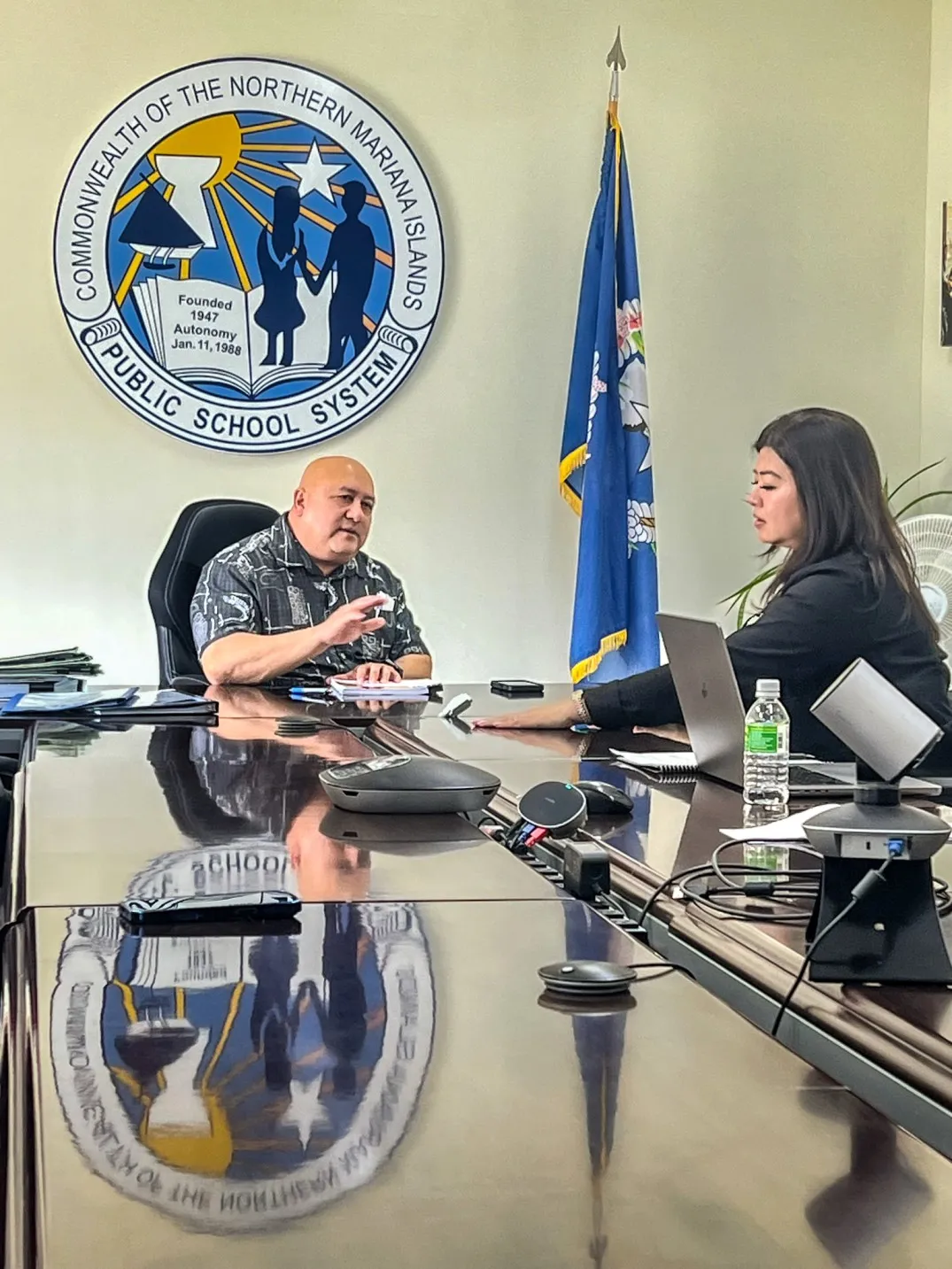
The 27 students, along with their professor, Sam McPhetres, presented the findings of their group studies to the members of the House of Representatives yesterday.
Jessielyn Jurado, who represents the group of five students that conducted research on emissions, said the Lower Base power plant emits large amounts of sulfur dioxide.
Although permits were issued in the past, they were not in accordance with the applicable air standards, Jurado said.
She added that the five incinerators currently operating in the CNMI emit “highly toxic substances” posing threat to the air quality. Moreover, the incinerators do not have the required operating permit, she said.
“Currently the hospital has one incinerator that does not have an operating permit. The Commonwealth Ports Authority has two incinerators (one each on Saipan and Tinian) that do not have permits. CUC has two incinerators that do not have permits,” she said.
The Puerto Rico dumpsite was another issue that the students tackled.
The students described the site as an “acute environmental matter and an eyesore to the community.”
Robert Kaipat, the group’s speaker, said “the dump has contaminated the natural marine resources that the island people have used for centuries.”
“In 1995, seven years ago, the health, safety and economy of the people (were) severely threatened by the rodents, flies, dogs, cats and other pests that reside in or near the dump and carry disease. In addition…the water seepage and runoff threatened the ground water and lagoon resources,” Kaipat said.
He said it is their group’s conclusion that the vast majority of island dwellers are not aware about the dump’s ill effects on the environment as well as to people’s health.
“While the general dump situation is known to the majority of the island population, the depth of the contamination is less recognized…. The government of the (Northern) Marianas must recognize the hazard the dump is and immediately remedy the situation,” he said.
On the issue of illegal dumping, the students said the practice is a health hazard to the community.
“(Illegal dumping) invites rodents, insects or other vermin that are considered to be hazardous. It is also a breeding place for disease-carrying mosquitoes. Illegal dumping can cause floods when waste blocks ravine, creeks and drainage basin. Run-off from dumpsites can contaminate water wells and surface water,” the group’s paper reads.
Speaker Heinz Hofschneider, R-Saipan, assured students that the Legislature will act on their concerns.
“I’m doing something about the issue. At times, it’s hard to stay focused when some of the members are dealing with other issues,” he said.
