





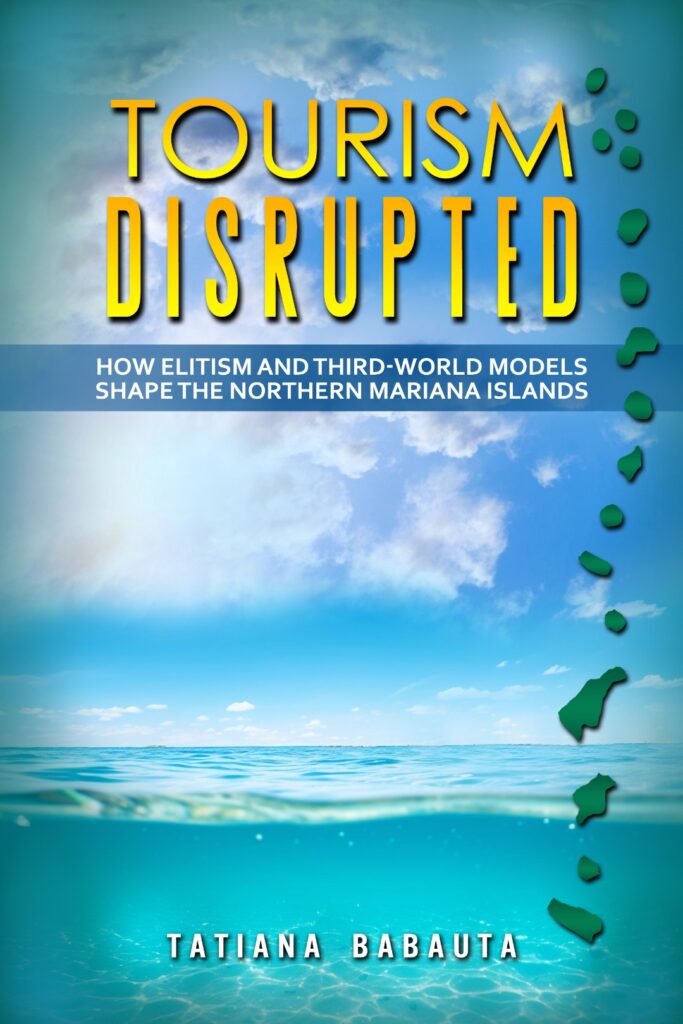
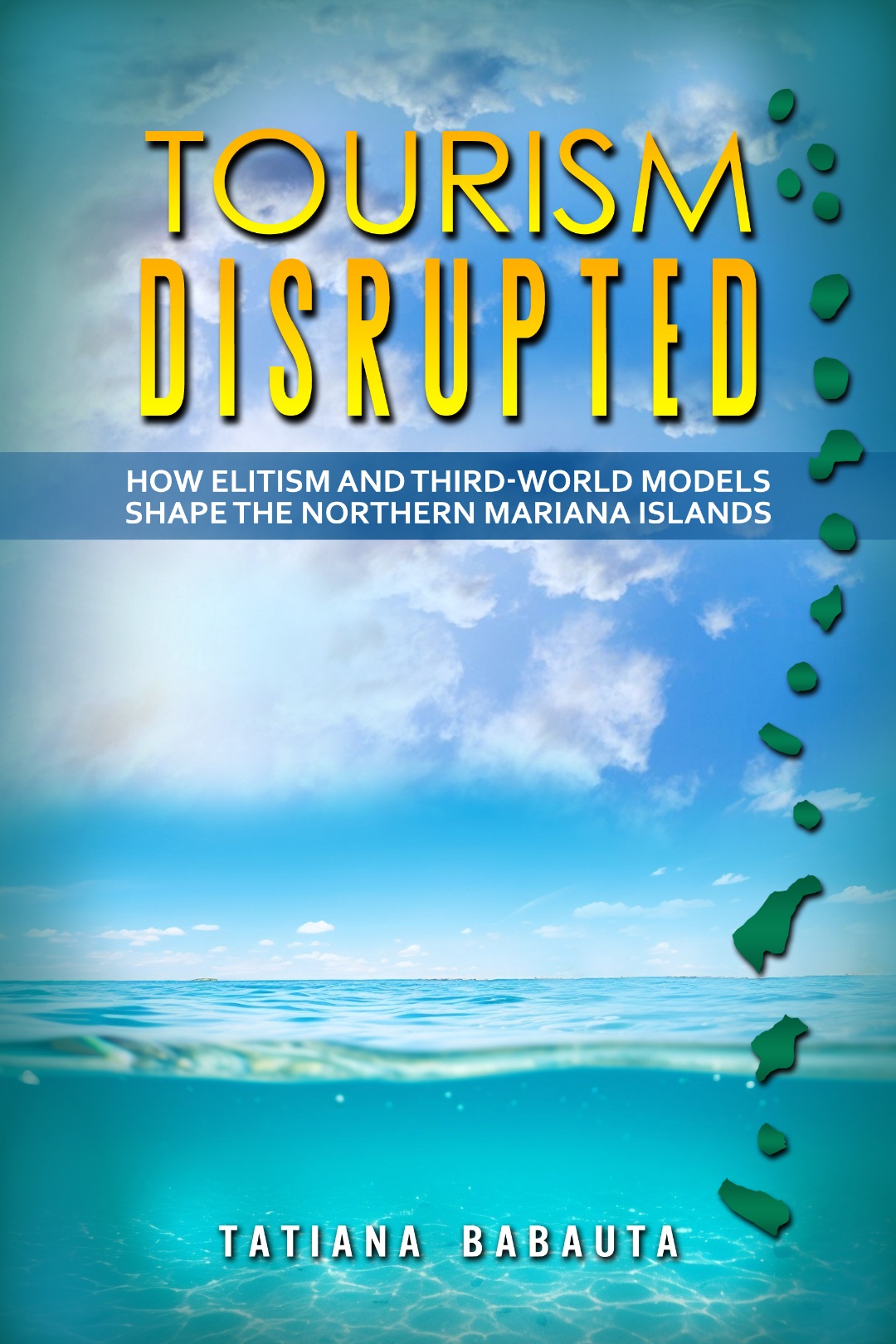
“Tourism Disrupted,” written by Tatiana Babauta, is available on Amazon.
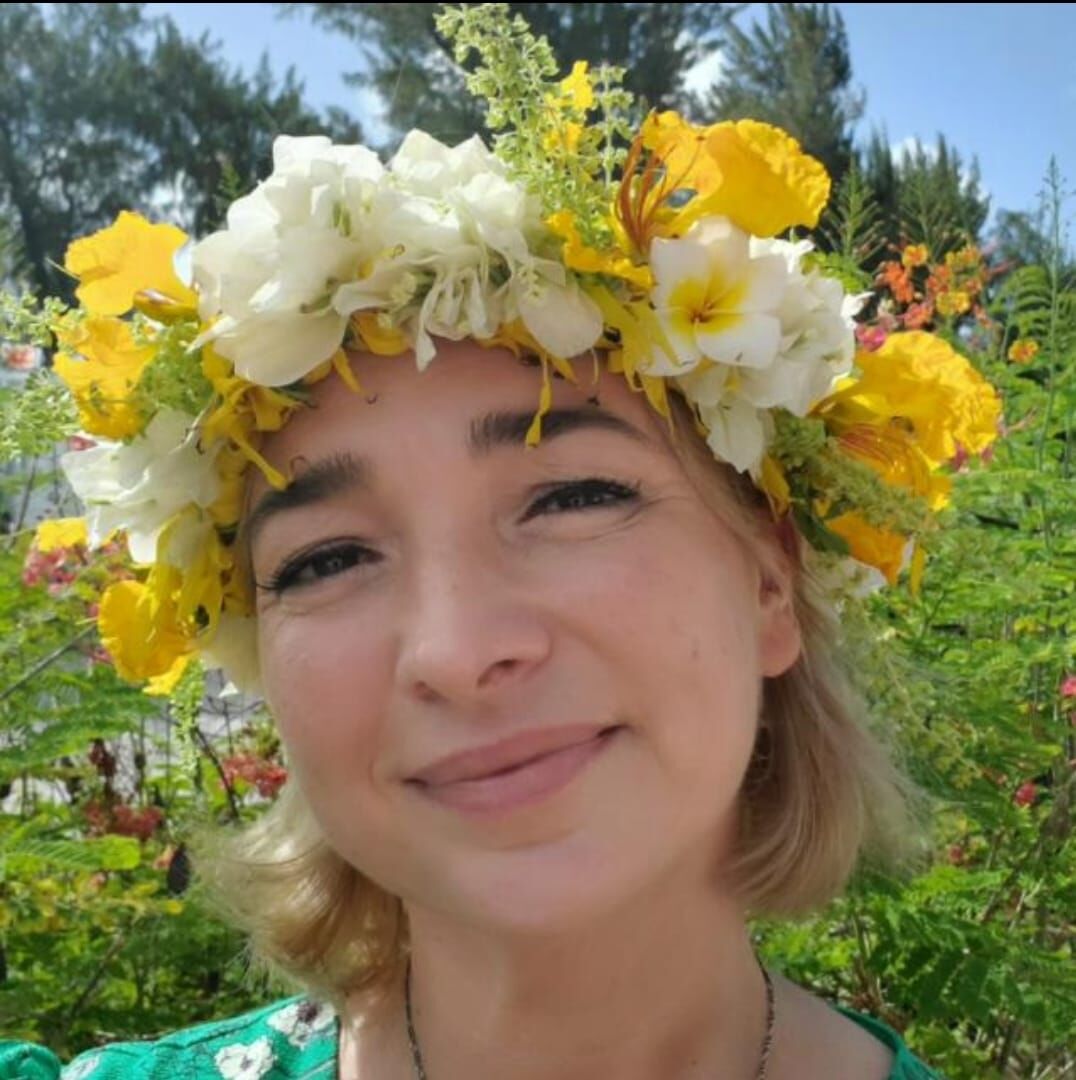
Tatiana Babauta
TATIANA Babauta, a former Marianas Visitors Authority destination enhancement manager and zoning board chairwoman, has written a book titled “Tourism Disrupted,” which calls for community-based tourism that would emphasize the “rich cultural heritage of the Chamorro and Carolinian communities alongside the islands’ stunning landscapes.”
The 223-page book is available on amazon.com/.
In an online interview with Variety, Babauta said the local tourism sector is “heavily influenced by elitism, third-world frameworks, and external economic pressures.”
“The book aims to dissect the complex dynamics of global tourism’s impact on the CNMI, navigating the intricate relationship between historical legacies, modern economic pressures and their collective shaping of the islands’ tourism development,” she said.
Babauta said she became motivated to write the book after observing the CNMI tourism sector’s “enduring” struggles.” She also had a “deep-seated need to initiate critical conversations around sustainability and empowerment.”
She said her research for this book involved an analysis of existing literature regarding the CNMI’s tourism industry and its market patterns. She looked into the local tourism industry’s historical evolution, the environmental footprint it leaves, and its socio-cultural relevance.
Babauta has a two-decade career in tourism management and has a master’s in Tourism Management from Colorado State University.
‘Elitism’
Babauta believes that the local tourism industry is not benefiting enough people.
“Elitism in the CNMI context means that a small group of influential people and organizations control the tourism sector, often putting their profits above the well-being of local communities and the care of the islands’ natural and cultural treasures,” she said. “This leads to a situation where the economic benefits of tourism are enjoyed by a few, leaving the wider community with few chances to advance economically or have a say in tourism decisions.”
Babauta said one consequence of “elitism” has been “the commodification of local culture, which can dilute or change authentic traditions.”
She said “big tourism projects” are also a threat to the CNMI’s natural environment.
“These powerful groups can harm natural habitats, pollute, and use up resources, threatening the islands’ natural beauty and sustainability,” she said.
‘Third world’
Babauta said the “third-world model” she refers to is an approach to economic development that “leans heavily on outside investment, aiming for quick growth and fast profits instead of focusing on long-term sustainability, preserving culture, and ensuring local people have a fair say.”
She said the money made in the CNMI winds up “going overseas” instead of helping the local economy.
Babauta said foreign investment does play an important role in improving tourism facilities, but the CNMI needs to find “balance.”
“This means making sure investments help achieve fair economic growth, empower local communities, and support sustainable practices,” she said.
She said the consequence of a “third-world model” is that it can over-rely on foreign money, which brings with it “ideas that might not fit well with what locals value or want.”
Diversification
Babauta said she supports the diversification of the CNMI economy to supplement the tourism industry.
“The current challenge facing the CNMI’s economy is relying only on the tourism industry, leaving it vulnerable to economic instability,” she said. “To address this, a strategic shift toward economic diversification is not just a good idea; it’s imperative. Diversifying the economy offers stability by lessening dependence on global tourism and buffering against external shocks.”
She suggests growing the economy through agriculture, fishing, renewable energy, and digital services.
Babauta said the tourism industry, for its part, should place the “essence of our islands” at the “forefront” of its activities.
“A shift is needed towards a tourism model that resonates with our local ethos and cherishes and safeguards our unique identity,” she said. “This principle embodies the essence of Community-Based Tourism [or CBT]. For the CNMI, CBT transcends a mere strategic choice; it represents a chance to authentically spotlight the rich cultural heritage of the Chamorro and Carolinian communities.”
Babauta said changing the course of the local tourism industry is critical.
“We’re at a crucial moment, facing a choice: continue on the path we know or take a brave step towards something new. This fresh direction is all about looking after our environment, valuing our cultural history, and growing the economy in new ways. By choosing this route, we’re not just taking care of CNMI’s gems but also making sure the people of the CNMI see real, lasting rewards.”
