






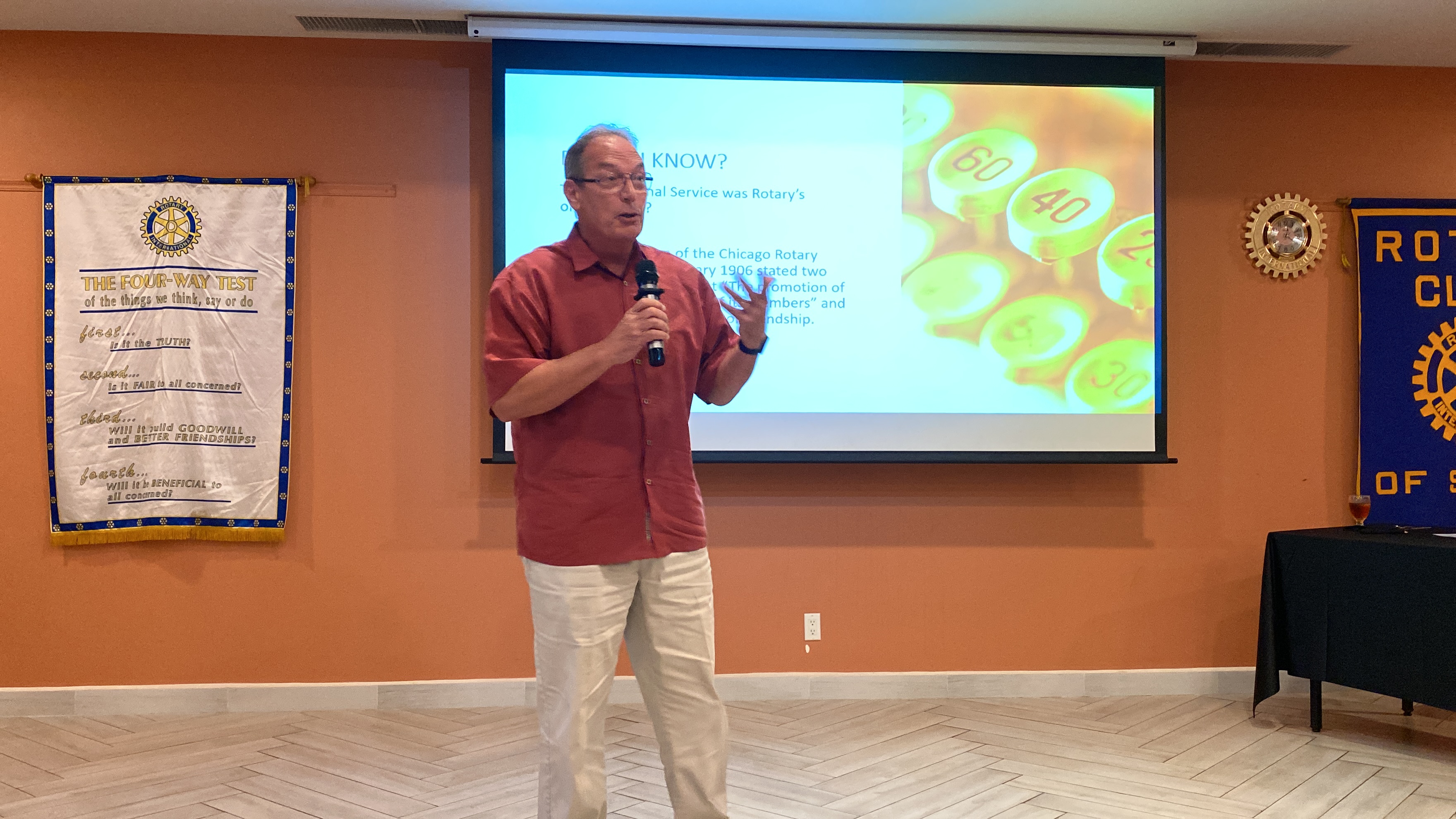
Dr. Chaz Compton is the project director of the Vocational Rehabilitation Technical Assistance Center for Quality Management at San Diego State University.
James Rayphand is the director of the CNMI Office of Vocational Rehabilitation.
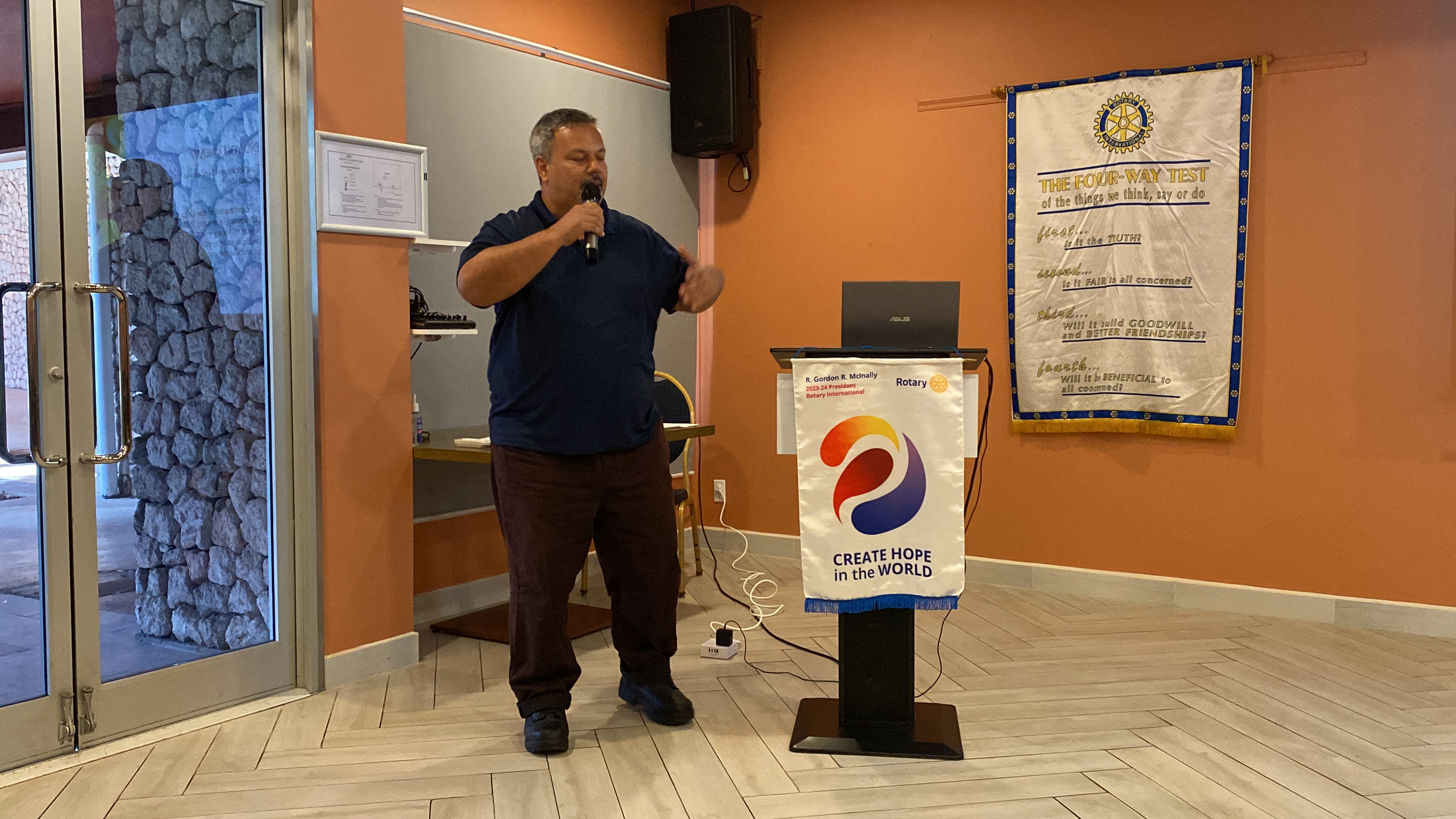
DOCTOR Chaz Compton of San Diego State University and James Rayphand, the director of the CNMI Office of Vocational Rehabilitation, talked about ways businesses can benefit from vocational rehabilitation training programs.
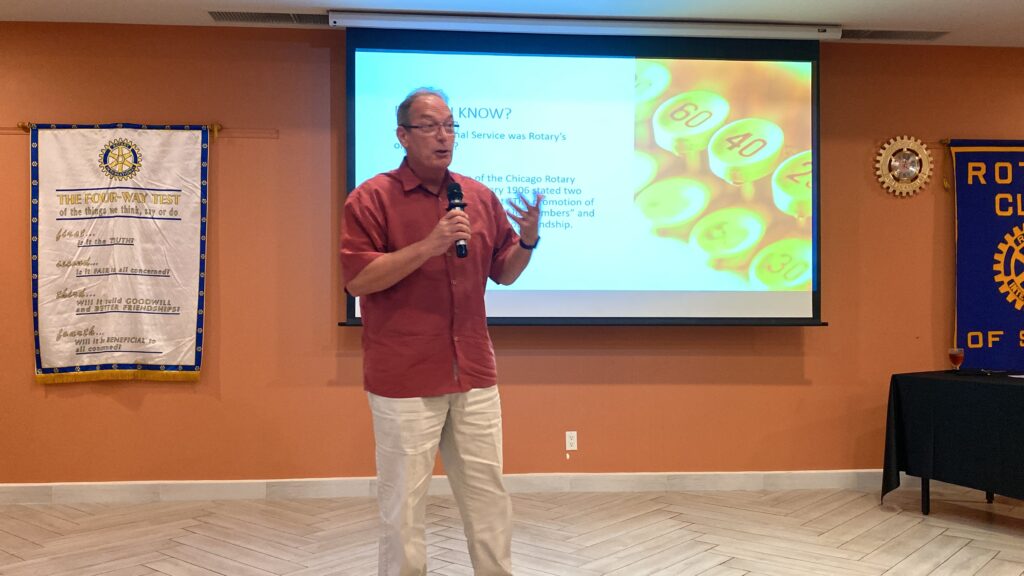
The two were guest speakers of the Saipan Rotary Club during its meeting on Tuesday at Crowne Plaza Resort.
According to the OVR website, the office’s mission is “to increase employment and promote independence among eligible individuals with disabilities throughout the Commonwealth of the Northern Mariana Islands.”
Rayphand said locally, training and employment funds are available for businesses that train and/or hire qualifying individuals with disabilities.
He said OVR will fund the salary of these individuals.
“As an incentive to employers, we will pay to train [an individual] with a disability. If you want to provide the training, we’ll pay the cost of that person to go through,” Rayphand said.
He said in addition to paying for training, OVR will also pay the individual’s salary for six months if they are hired.
Rayphand said OVR has funds to help individuals gain access to assistive technology or to pursue higher education.
In 2023, he said OVR funds made a life-changing difference for 16 individuals. They were either able to pursue their educational dreams without the burden of tuition costs, or gain access to assistive technology that empowered them to reach their full potential.
Rayphand said “consumer choice” is what drives their services.
“All of our cases are based on what the consumer wants,” he said. “People don’t come in and [then] we tell them ‘this is what you’re going to do.’ They come in and tell us what they want to do, and our job is to try to make sure that this disability doesn’t hinder that progress in any way.”
Rayphand said OVR is “one of the most underutilized programs around.”
Federal assessment
For his part, Compton is on island as part of federal assessment regulations. He told Rotarians that he is at OVR as a guest to see what its service delivery system is like. He will also inform OVR and the federal government about service gaps and the opportunities that exist to fill them.
Compton said vocational rehabilitation can adapt its services based on the needs of clients.
He told the Rotarians about a project in California he worked on where he helped a blind woman who lived off-grid gain access to a carpool network so she could take computer classes at the college closest to her.
“The scope of services, the scope of possibility is fascinating when you look at the law,” Compton said. “Whatever level the individual is capable of achieving, that’s the power of the program when it’s done well.”
He encouraged Rotarians to look into vocational rehabilitation programs offered locally.
Vocational rehabilitation, he said, “is like a buoy in a storm — it’s a lifesaver.”
