





HAGÅTÑA (The Guam Daily Post) — The Supreme Court of Guam affirmed a decision to suppress evidence found during an unlawful search for a man facing drug possession with intent to deliver charges.
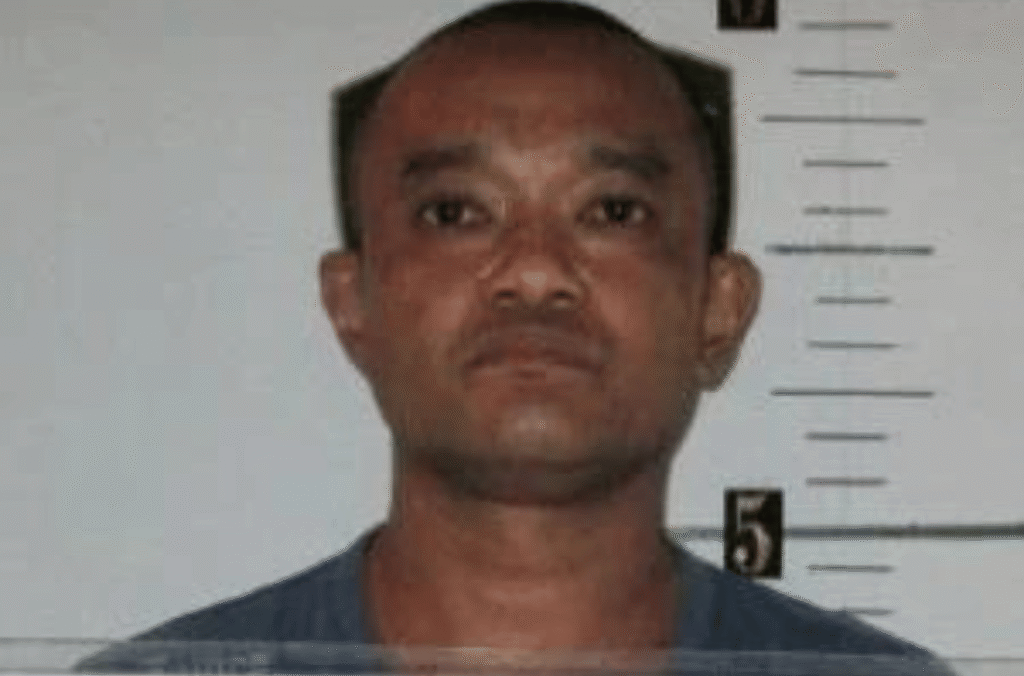
In October 2022, a judge in the Superior Court of Guam determined Zerxes Viva did not give consent to officers with the Guam Police Department to search his vehicle before he was charged with possession with intent to deliver a Schedule II controlled substance and possession of a Schedule II controlled substance.
Following the decision, the Office of the Attorney General appealed to the Supreme Court of Guam, arguing the decision to suppress the evidence found in Viva’s case was “clearly erroneous.”
However, upon reviewing the case and proceedings that led to Judge Alberto Tolentino’s decision to suppress the evidence, the higher court agreed with Tolentino – considering the inconsistency between three police officers’ testimonies, especially whether Viva gave consent for his vehicle to be searched.
According to court documents, Viva was pulled over by an officer who “performed none of the ordinary inquiries of a traffic stop,” such as asking for license and registration, but rather asked Viva if he was still on probation and/or had drugs in his car.
The officer testified he did get Viva’s consent to search the car but later in his testimony could not recall whether Viva was still in his car or had already exited when he asked for the consent.
Two more officers arrived when backup was requested, and their testimonies regarding the search of the car proved to be inconsistent. One officer testified there was a kitchen knife in the car, but nothing was ever seized. The same officer who saw the knife testified he saw a message pop up on Viva’s phone which allegedly was drug-related, but another officer testified they didn’t see the message.
The prosecution argued, despite the inconsistencies, there was nothing provided by Viva to contradict the information about getting consent. However, the Supreme Court wrote Viva didn’t need to.
“Viva need not produce evidence to contradict (the officer’s) testimony about obtaining consent. Rather, the People had the burden (of) proving that Viva gave valid consent. The evidence (the Office of the Attorney General) presented to the trial court was fraught with credibility issues, and it was the trial court’s prerogative to determine whether these issues were sufficiently addressed,” the justices wrote.
Complaint
Viva was charged in 2019 after police reported he disobeyed a traffic stop and officers pulled him over. According to the charging documents, inside his vehicle, officers found a large, black-handled knife wedged between the driver’s seat and center console.
A black pouch was also found under the front passenger seat. It contained a digital scale, a large plastic straw and multiple baggies containing various amounts of methamphetamine.
According to court documents, when police discovered the pouch, Viva blurted out, “That’s not mine!”
A text message on his phone also inquired if he had “half a zip,” which is a street term for an ounce of meth, court documents state.
Police confiscated the cellphone, drugs, personal belongings and Viva’s wallet containing $1,784 cash.
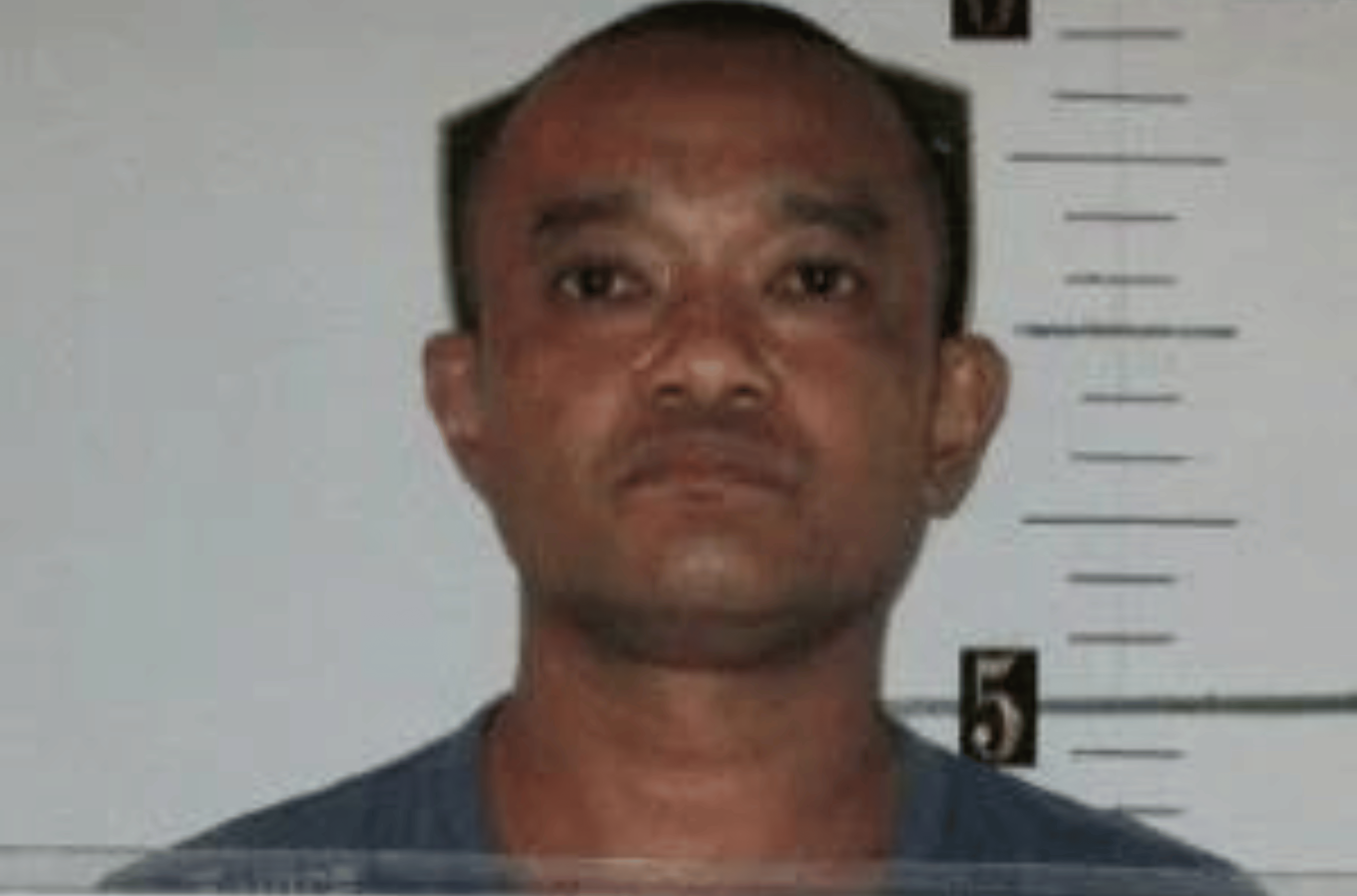
Zerxes Viva
