

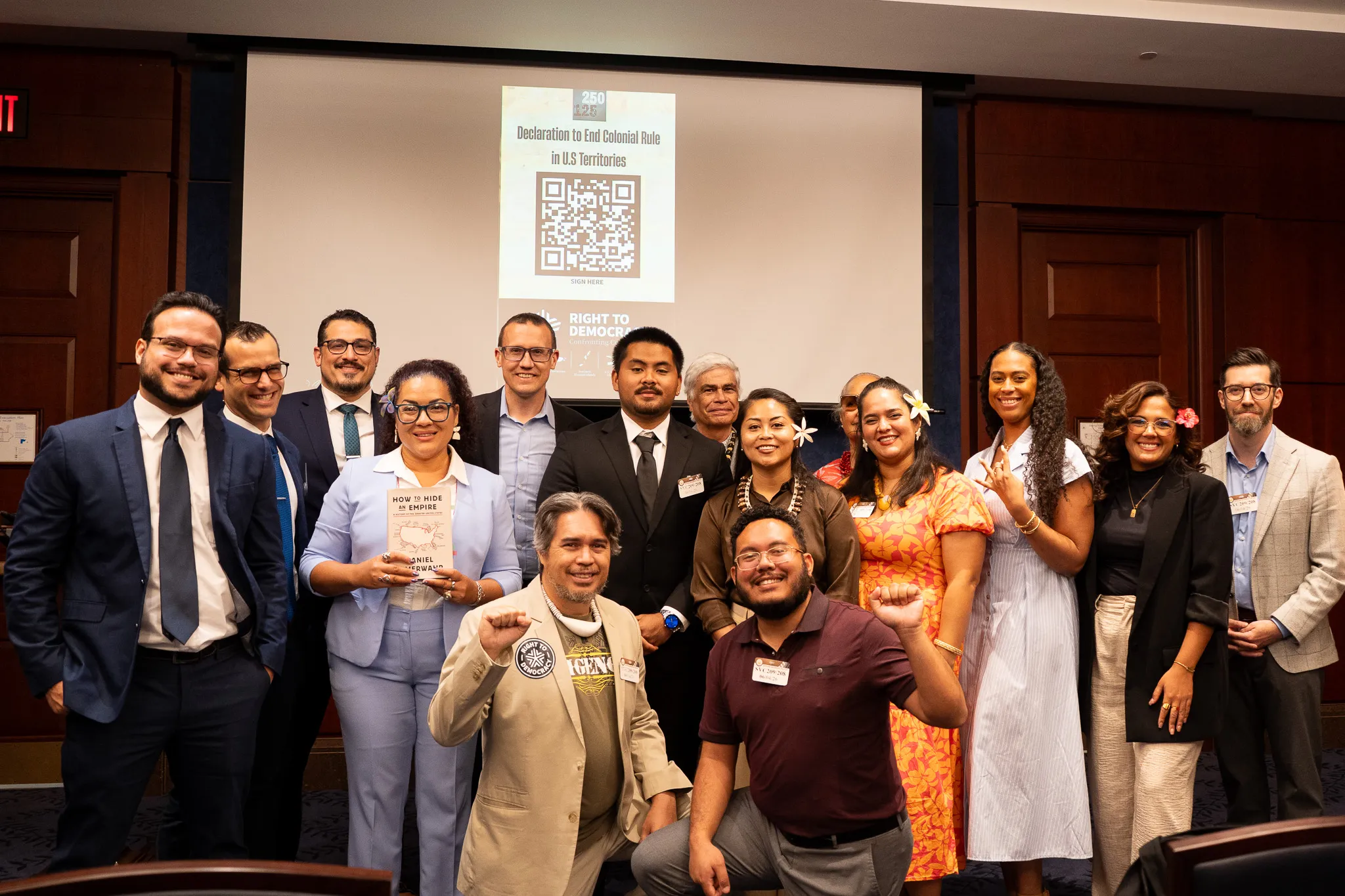





All five JROTC high schools in the CNMI participated. The federal government underwrote the cost of the course in the amount of $8,000. This included airline, ferry, hotel and food for all the cadets, cadre and chaperones. Each school brought their top 10 select cadet leaders for the upcoming school year.
LTC Gay, director of Army Instruction developed the Program of Instruction in consultation with the JROTC Cadre to better prepare the cadet leaders for their future assignments.
One of the benefits of this course is that cadets had to work together with cadet members of other schools, in an unfamiliar environment, solving problems in a collaborative process.
Cadets were assigned to “Learning PODS” based on their respective functional positions within the Battalions.
JROTC instructors were assigned as facilitators and mentors for each respective Learning POD.
The Learning POD team members remained together for the first three days of training.
Day one and two (Aug. 4-5) consisted of cadets’ learning the responsibilities inherent in their respective leader and staff positions, a review and execution of cadet tasks IAW Cadet Command Regulation I45-8-3 (Inspection Checklists) and JROTC Leadership Education and Training Curriculum LET1-LET4, Orientation to JUMS, producing requisite JUMS automated reports, inputting data, service learning process, developing memoranda and operations orders, preparing a 250 word paper on the leadership principles of Gen. George C. Marshall, a 250-word paper on each cadet’s personal bio and briefing the bio to their respective learning pod members. Day three (Aug. 6) consisted of further refinement of written assignments, reviewing the entire spectrum of LET1-LET4 general curriculum questions and in-ranks inspection questions. During the afternoon the learning PODS competed against each other in a fast paced CPS academic challenge.
On day 4, Thursday, the cadets assembled by school and prepared their respective staff briefings. This allowed the cadets to review and modify their own school briefings and to practice their oral presentations which were scheduled for the next morning.
On day 5, Friday, each school’s cadets presented their formal cadet staff briefings to the entire cadet audience and cadre. All schools did an exceptional job on their briefing and were commended by the Director of Army Instruction Colonel Gay, Board of Education member Tanya King, and all five of the senior army instructors with all of the cadets who attended the presentation.
This summer leadership challenge will occur each summer to help the students prepare for their future roles as leaders in the community and the CNMI no matter what field they choose to pursue.
The cadets performed superbly throughout the week. On Friday afternoon an informal ceremony occurred with each CNMI Cadre member recounting the week’s training experiences and offering the cadets congratulations for a job well done.
Rainy season and mosquito advisory
(Department of Public Health) — As the CNMI enters the rainy season, the Department of Public Health’s, Bureau of Environmental Health, advises the general public to follow certain preventive guidelines to protect the community from the increased risk of insect and rodent related infection and bacterial infection.
• Avoid lowland and inland swimming holes. These areas are likely to contain harmful bacteria levels and can pose other health risks to people who use them frequently. Avoid water that is stagnant.
• Remove all artificial breeding areas for mosquitoes and rodents. Avoid standing water or pools of water anywhere, and remove them if possible. Stagnant pools of water serve as breeding areas for disease-carrying mosquitoes, insects and rodents. Remove and dispose old tires, opened bottles and used cans to prevent harborage. Clean up yards to remove food, breeding and hiding spots for rodents, insects and mosquitoes.
• Wear protecting clothing in the early morning (dawn) and at dusk (sundown). Most mosquitoes bite during early morning and evening hours. Wear long pants and long-sleeved shirts during this period when outside. Dress your children accordingly, or try to limit the time your children are outside during this time period.
• Practice proper hygiene regularly. As always, wash hands frequently and cover body wounds properly.
This information will help the community to protect themselves from harmful illness and infection. If a family member is experiencing fever with headaches, body aches and rash, please contact or see your doctor.
The bureau also offers useful advice on how to avoid mosquito breeding areas, and how to properly remove harborage areas from your premise.
Should you have further questions or concerns, visit the bureau’s office on Navy Hill or call 664-4870/72.
Hazy weather
(EMO) — The Emergency Management Office, in close consultation with the United States Geological Survey and the National Weather Service on Guam, would like to inform the general public that the current hazy weather condition is not related to the Anatahan volcano.
The USGS could detect on satellite a light to variable plume at Anatahan heading in a westnorthwest direction away from Saipan, Tinian and Rota.
The SO2 analyzer reading at EMO indicated 99 parts per billions as of 10:30 a.m. yesterday.
All mariners are reminded to take precautionary measures to low visibility out in open waters.
The public is urged to tune in to local radio broadcast or local news sources and log in at www.cnmiemo.gov.mp for any other statements and advisories.
MHS incoming freshmen
(MHS) — All Marianas High School incoming freshmen or 9th graders should make sure to verify with the MHS registrar at 237-3205 that you are registered for classes for school year 2008-2009.
You have to provide a new blue health card to MHS for new school year.
Deadline for submission of new blue health card from the Department of Public Health is Tuesday, Sept. 2.
For questions and concerns contact 237-3206.
