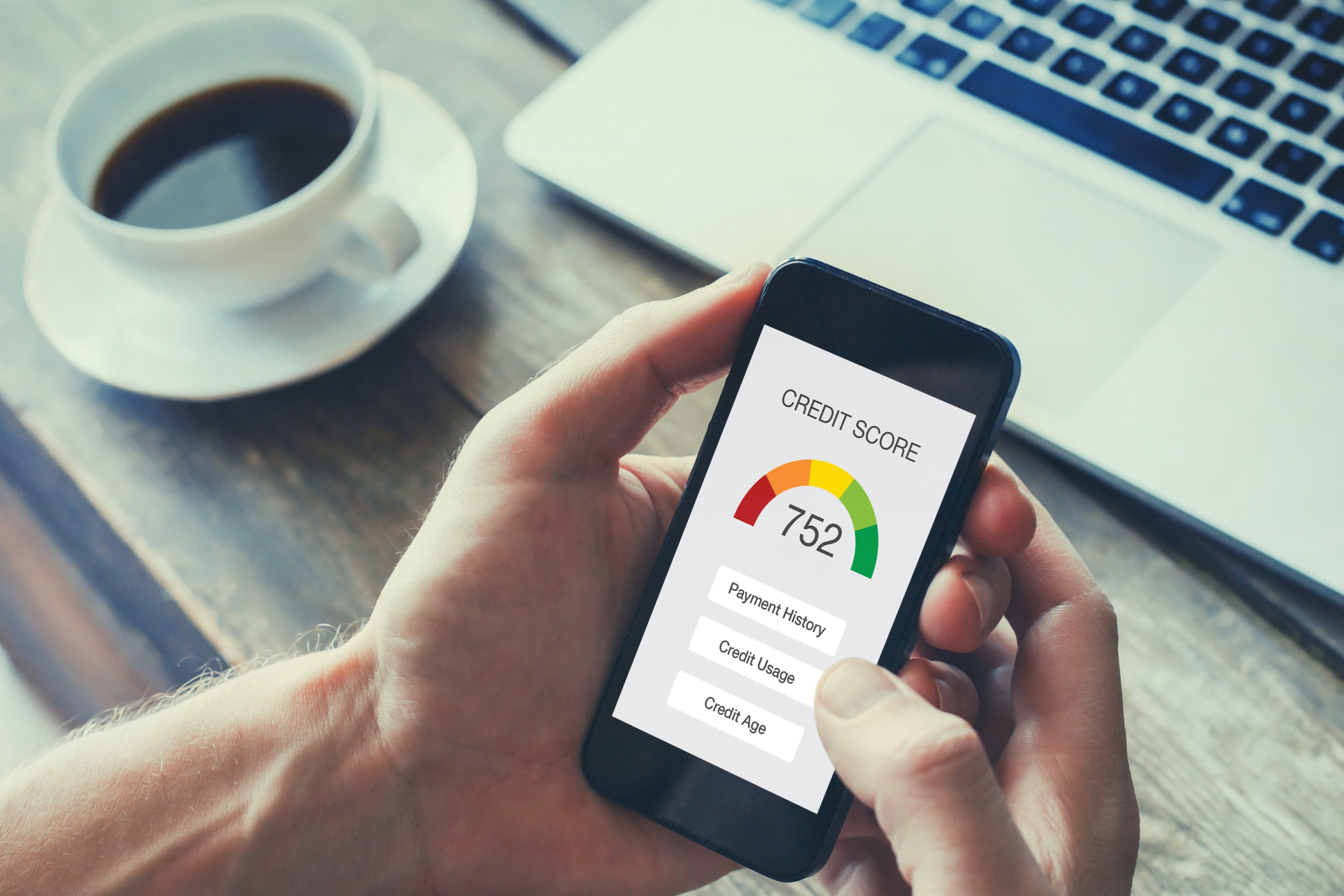






HAVE you ever heard the term “credit score” and instantly got confused?
Fear not. You and a gazillion others around the world are in the same boat.
What is a credit score, why does it matter, and why is it not taught in school before you become an adult?
We’ll leave that last question for another time, but for now, let’s focus on what a credit score is and why it’s a crucial aspect of one’s finances.
A credit score is calculated based on your credit history and behavior.
It tells financial institutions whether or not you are fiscally responsible enough for them to approve your application for a loan or credit cards and have you pay them back over time…with interest.
The higher your credit score is, the better your chances are of securing loans and affording a new car, a new home, and maybe even treat yourself to a vacation.
You’d basically be able to borrow money from financial institutions, and just pay it back over time.
To grow your credit, you need to establish good financial habits, of which paying your bills on time is most crucial. It also helps to pay your balances in full, or at least not miss a payment.
If you have a credit card, light — but regular — use of your account is also factored into your credit score.
Just remember to have a low credit utilization on each of your credit cards. According to Bankrate, your credit utilization is “the ratio of your total credit to your total debt.” A general rule is to charge no more than 30% of that total credit, and to pay that back on time and in full.
A good credit score ranges from 670-739; very good credit scores, 740-799; and excellent, 800-850, depending on the credit bureaus’ (Experian, Equifax and Transunion) scoring system.
If you skip a payment, that can have a drastic toll on your credit score. You could lose at least 100 points.
Bad credit scores can result in you paying a higher interest on loans.
Since credit scores are crucial to the world we live in today, it helps to know what your credit score is, understand it, and keep track of it.
Your credit score rising or falling depends entirely on how fiscally responsible you are, whether you’re paying your bills on time and in full, or on your credit utilization (how much credit you use as a percentage of your credit limit).
To learn more about your credit reports and scores, check out the resources at the Consumer Financial Protection Bureau, an official website of the U.S. government, at consumerfinance.gov.