




Of this figure, Filipino nationals had the highest number — 7,367.
Among the industries, the hotel industry with 2,672 permits ranked second followed by private households with 2,357; construction, 2,372; garment, 2,189; and restaurants, 1,186.
Labor’s annual report for 2008 indicated that the number of permits issued for farmers reached 658; tourism, 469; night clubs and bars, 453; security, 248; CNMI government, 193; fishing, 70; banking, 11; and manpower, eight.
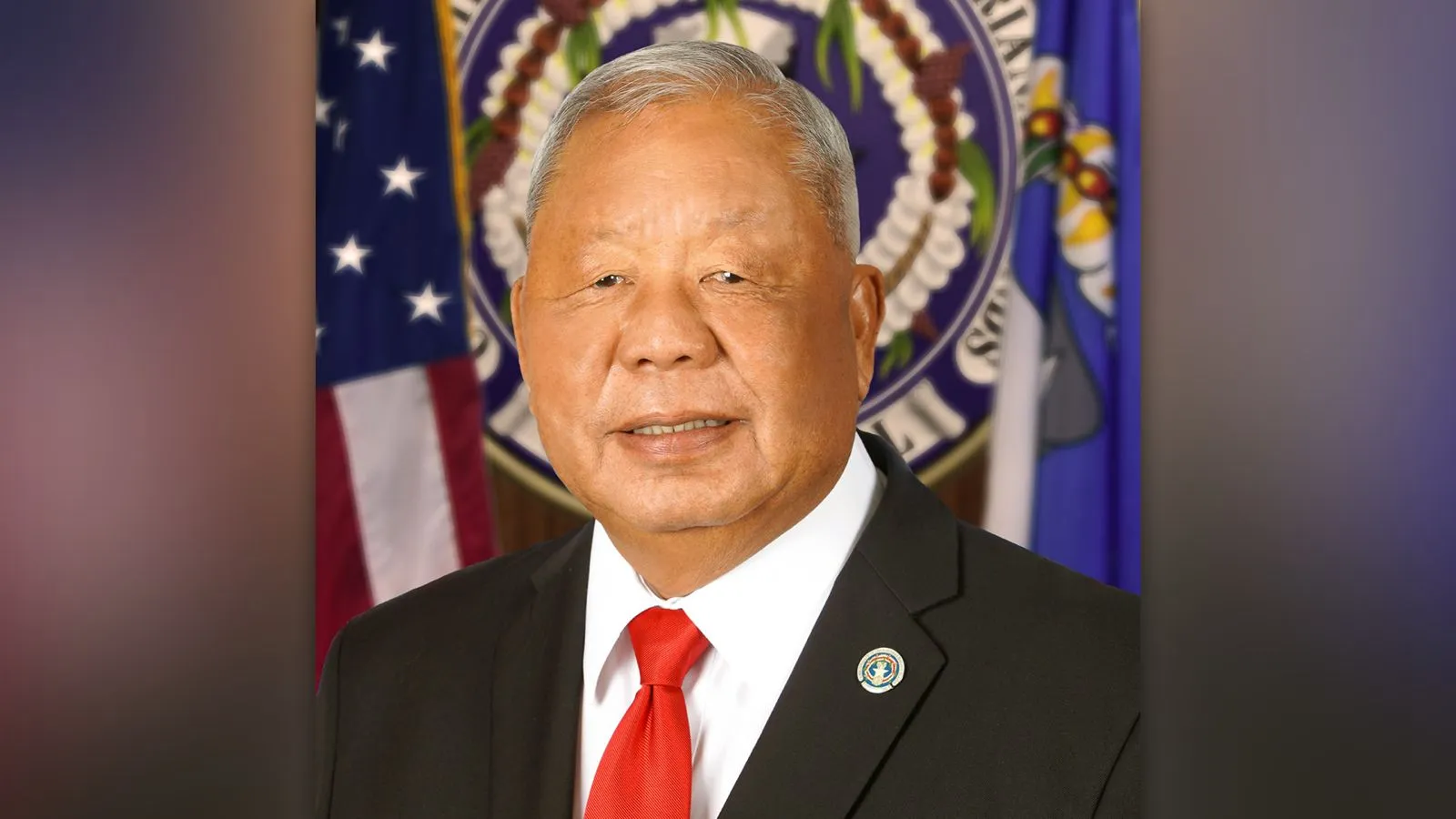
Labor Secretary Gil M. San Nicolas said the report reflects only the department’s administrative operation counts.
“It does not reflect the census of foreign workers actually present in the commonwealth,” he added.
For the garment industry, Chinese workers had the highest number of permits with 1,563 compared to 111 for Filipinos.
The last two remaining garment factories on Saipan will shut down this month.
The Philippines topped the list of permits issued by Labor with 15,769, followed by China, 4,569; Japan 538; Korea, 729; Thailand, 574; Bangladesh, 333; and other nationalities, 598.
San Nicolas said Labor did not routinely collect information about U.S. citizen employment prior to the enactment of the new labor law, P.L. 15-108.
The report stated that there were 761 exemptions approved based upon the employers meeting the 35 percent local hire rule.
The law provides four exemptions to the requirement of chapter 2, which covers the employment preference for citizens and permanent residents.
These are: employers of fewer than five employees; a particular construction project; employers who hire more than 30 percent U.S. citizens in certain preference jobs; and the garment industry. In 2008, San Nicolas said Labor did not approve any security contracts.
He also reported that 253 workers were injured on Saipan; one on Tinian; and two on Rota.
He said there were nine fatalities involving U.S. citizens, permanent residents and foreign guest workers on Saipan; and one on Tinian.
The data on injuries and deaths were provided by the Department of Public Safety, the Department of Public Health’s Statistics Office, and the Workmen’s Compensation authorities, San Nicolas said.
