




Immigration Minister Jonathan Coleman wants the division folded back into the general service after the report found it was failing badly in six of nine areas studied.
“It’s become isolated and there aren’t the controls there to ensure they are complying with acceptable procedures,” he said. “The real concern is the whole level of service delivery.”
“The division’s management was poor, resulting in ongoing deterioration in service delivery, major inefficiencies, huge application backlogs and concerns regarding financial processes and compliance,” Coleman said. “It has not served Pacific people well.”
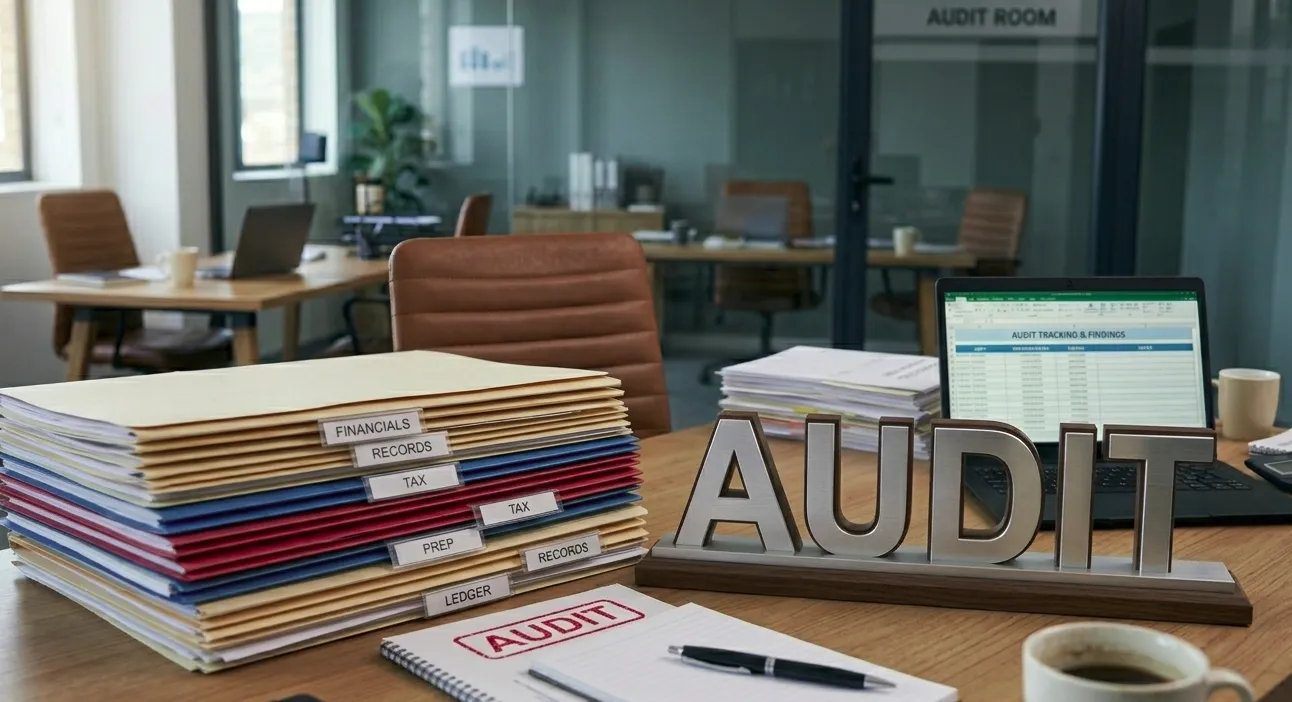
The review, by Ernst and Young, was carried out after claims that then-Immigration head Mary Anne Thompson intervened to get special treatment for Kiribati relatives seeking visas.
Thompson set up the division in 2005 after the previous government ordered better services for the Pacific.
She resigned last May after questions were raised about her claim to have a PhD from the London School of Economics. She faces charges in relation to those claims.
The 129-page Ernst and Young report found the division had no strategic direction and was a “fiefdom” isolated from the rest of the service. There was a perception the leaders of the division were “untouchable, accountable only to Ms. Thompson.”
Service and compliance problems were most pronounced in the Auckland office, but also occurred in the branch offices in Apia, Samoa; Suva, Fiji; and Nuku’alofa, Tonga.
The report said though it did well filling special Samoan and Pacific access quotas, and staff were passionate and committed, there were serious failings in most areas that required urgent attention.
These included major backlogs in cases and questions about the quality of decisions. Two-thirds of decisions in 2006-07 were reassessed after appeals from unsuccessful applicants, compared to 32 per cent for the rest of Immigration.
It was common for applicants to queue all day for a form in Apia. In Suva, one applicant referred to the line of up to 100 people as the “queue of shame.” Queues formed at 4 a.m. in Tonga.
There were also concerns about financial management, with Ernst and Young finding controls were not properly followed in 37 percent of the samples studied. Concerns included a service credit card being used to buy personal items though the money was later reimbursed and branch managers approving their own expenditure.
The report said the division should remain a separate body. However, Coleman said he would order Labor Department head Christopher Blake to consider reintegrating it back into the main service. An independent adviser would monitor Blake’s actions in relation to the division.
Labor immigration spokesman Pete Hodgson accused Coleman of sitting on the report which was ordered by the last government for three months and using it to dismantle the division.
Thompson said she was not interviewed for the review, but conceded there had been problems in the division. “There were some mistakes made, but there were a lot of good things achieved as well.”
Meanwhile, New Zealand Labor Party which established the Pacific Division, thinks it should be given another chance, according to TVNZ.
Labor’s immigration spokesman, Pete Hodgson, said the report also praised the hard-working staff and had recommended the division be retained with a bigger budget. He accused Coleman of playing politics and said he had taken three months to release the report.
“He needs to front up and explain why he is axing the division despite the Ernst and Young report advising him to keep it,” Hodgson said
Coleman was in no mind to do that, and told Parliament on Thursday the division was in “an unacceptable mess”.
It was established when Mary Anne Thompson was the head of the Immigration Service, and she was embroiled in a scandal over helping her relatives from Kiribati gain New Zealand residence permits.
Ms Thompson resigned after allegations that she had falsely claimed to hold a doctorate from the London School of Economics. She is facing fraud and dishonesty charges in a court case that is still going on.
The report is the result of one of several inquiries into the division ordered by the previous government after a series of scandals and claims of corruption. The most important is a wide-ranging inquiry by Auditor-General Kevin Brady.
Coleman said it will be released shortly.
“Further actions may arise out of that report,” he said.
