



By Gregorie Michael Towai
For Variety
THE Covenant is a promise, not a favor. For the people of the Marianas, it was never meant to be a polite thank‑you note to American power; it was a hard‑won agreement that our political union with the United States would protect our communities, our land, and our right to shape our own future. In my earlier column on belonging and identity in our islands, I argued that land protection is not a technical clause to be “worked around,” but a living safeguard for cultural survival and intergenerational dignity. Our struggle over Article XII is inseparable from the larger fight to make the Covenant real.
Our islands carry the weight of four occupations — Spanish, German, Japanese, and American. Each layering new forms of control over our land, our labor, and even our sense of self. Colonialism in the Marianas was never just about flags and maps; it was about who gets to decide where we live, how we live, and what our future is worth. The Covenant was embraced as a break from that pattern: this time, we were told, our people would have self‑government in our internal affairs and meaningful protection for our land, culture, and destiny.
Article XII, which restricts land ownership to people of Northern Marianas descent, is often framed by critics as an obstacle to development or “modernization.” That framing is historically blind. When your land has been taken, re‑surveyed, and weaponized under four different flags, protecting what remains is not xenophobia; it is common sense. Article XII is one of the few concrete tools our people have to ensure that our grandchildren will not become strangers in their own homeland. When outside interests, federal policies, or even local politicians undermine Article XII — through legal attacks, loopholes, or willful neglect — they are chiseling away at the foundation of the political union that was supposed to respect our right of self‑government.
Dr. Martin Luther King Jr., in his “I Have a Dream” speech, spoke of the United States having given Black Americans a check that came back marked “insufficient funds.” He refused to believe that the bank of justice was bankrupt; instead, he insisted it was time to cash that check. The Covenant was our promissory note. It was the written guarantee that, after centuries of being ruled by others, we would finally stand on more equal footing in a union we freely chose. Yet when we try to claim what was promised — meaningful self‑government, respect for our land tenure system, equal treatment in federal programs, genuine partnership rather than paternalism — we too often discover that the check is not being honored in practice. The problem is not a lack of principle on paper, but a deficit of political courage and moral clarity — both in distant capitals and here at home.
Those colonial systems are not just in our laws and land records; they have seeped into our minds. For generations, outside powers categorized us, ranked us, and decided who counted and who did not. That legacy shows up today when some of us claim indigeneity over others, as if our worth can be measured by paperwork, blood quantum, or proximity to power. That way of thinking is imported. It is the language of empire, not of the Marianas. In our deepest values of “tirow” among Refaluwasch and “inafamaolek” among CHamoru, relationship is everything. Those values call us to lift each other up, to move in balance, to restore harmony when something is broken, and to recognize that no one’s dignity is secure when another’s is denied.
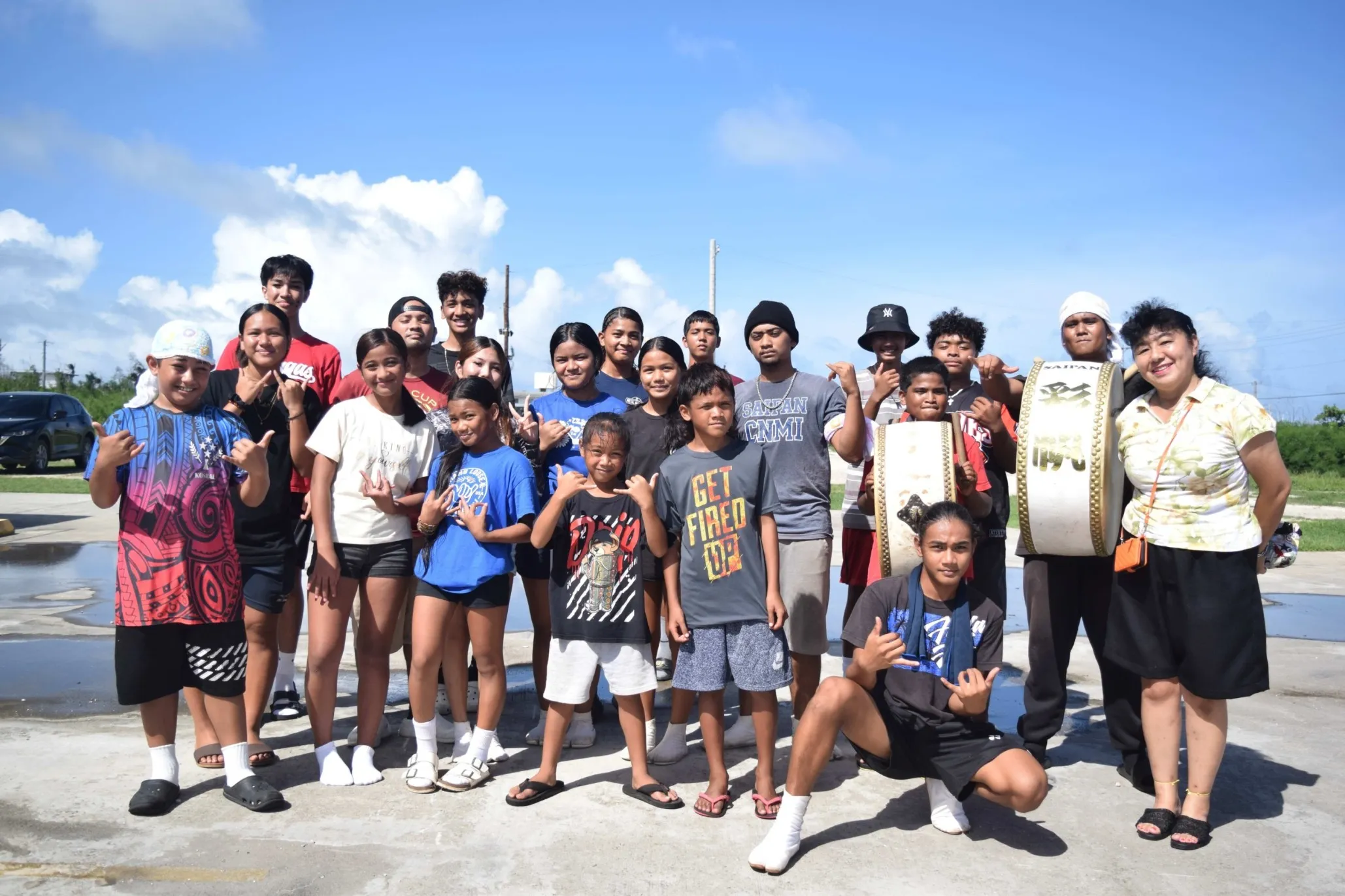
I have seen tirow and inafamaolek in action with my own eyes. After Typhoon Soudelor and Typhoon Yutu, when so many of our families were displaced, roofs torn off, lives upended, it was our people who became the first responders. I watched the CNMI diaspora in the Pacific Northwest come together to fill containers with water, food, tools, and supplies bound for the Marianas. I saw “Marianas Strong” go from a slogan to a lived reality, as Chamorros, Refaluwasch, and our wider community mobilized in solidarity — not asking who was “more” indigenous or who belonged more, but simply asking, “How can we help?” That is what our culture looks like when it is allowed to speak louder than colonial divisions.
And yet, in our everyday lives, we are reminded how far the promises of this political union have not reached. Families are straining under CUC rate hikes and fuel prices that keep climbing while wages stay stuck. Many communities still struggle with access to safe, potable drinking water — a reality that has lingered since the war years, as if basic infrastructure for island people is a luxury, not a right. Our loved ones carry heavy burdens of cancer, diabetes, and heart disease, a grim inheritance from living in a war‑torn, militarized, and environmentally stressed place that has long served U.S. strategic needs. Now we hear about deep sea mining and yet another wave of military buildup in and around our waters, as if the lesson of turning our home into a battleground once was not enough.
In calmer times, we also slip back into the habits those systems taught us: NMD against NMD, island against island, “real” versus “not real” Marianas. When we allow those divisions to define us, we betray “tirow” and “inafamaolek” and do the work of colonization for free. The fight to honor the Covenant and protect Article XII cannot become an excuse to tear each other down. If we fracture ourselves, we make it easier for outside interests — federal, corporate, or local elites — to weaken our protections and ignore our voices.
It is easy to point only to federal agencies and say: “They are the problem.” The United States does bear a legal and moral responsibility to honor the Covenant fully, including the spirit of self‑government and respect for Indigenous land rights. But there is also a crisis much closer to home. Too often, public office in the CNMI has been treated as a stage for personal advancement, petty vendettas, and insider dealing, rather than as a sacred trust. While families juggle CUC bills, fuel costs, health scares, and the lingering trauma of war and disaster, some of our leaders are busy protecting their own interests and carefully managing their political images. That is not what they were voted in to do.
This moment demands something far better from all of us. From our community, it demands vigilance and participation: showing up at hearings, asking hard questions, voting with memory and foresight, organizing across villages and islands. Choosing “tirow” and “inafamaolek” today means resisting both external pressure and internalized colonial thinking. It means refusing to weaponize identity against our own people, and instead using our shared roots and shared experiences from war to typhoons, to build the solidarity we need to finally cash the Covenant.
From our leaders, it demands courage. Courage to say no to deals that look lucrative on paper but hollow out our protections. Courage to prioritize land, culture, and community welfare over campaign donors and political alliances. Courage to insist firmly, consistently, and publicly that the political union be honored in full; that federal partners respect the Covenant; that resources, infrastructure, and protections reach our villages; that policies reflect the realities of our islands and not just the priorities of distant offices.
We are not asking for special treatment. We are insisting that the promises already made to protect our land, our self‑government, our welfare, and our shared values of “tirow” and “inafamaolek” be fulfilled. The Covenant is our check. After everything our people have survived, from four colonial regimes to Soudelor and Yutu to today’s economic and environmental pressures, it is long past time to cash it.
Gregorie Michael Towai (Eipéráng) is a cultural advocate and independent researcher from the Commonwealth of the Northern Mariana Islands currently residing in Oregon. He writes on Pacific governance, ocean policy, and diaspora political participation.
