






By Steve Jang – Saipan resident
SAIPAN is at a crossroads.
Businesses are closing. Storefronts sit dark. Families have left. Both local and non-local workers have relocated. Population decline is no longer a projection — it is visible in daily life.
We have weathered storms before — literal and economic. But this moment feels different. It is not a sudden disaster. It is a slow contraction.
The question we must confront honestly is this:
Are we managing decline — or building renewal?
For too long, our economy depended on a small number of sectors. Garment manufacturing collapsed. Tourism surged, then contracted. Federal assistance stabilized us, but stabilization is not growth.
Federal funds can support recovery — but they cannot replace productivity.
Saipan must transition from dependence to diversification, from reactive governance to strategic planning. This requires both urgency and discipline.
So, here’s my take on the 3-Year Emergency Stabilization Strategy (2026–2029)
The next three years must focus on stopping contraction and restoring confidence.
1) Regulatory and Permit Reform
Regulatory certainty is essential for economic growth. Investors can accept risk, but they rarely accept unpredictability. Saipan has already made meaningful progress by establishing a one-stop permitting office, and many businesses recognize that it has improved coordination among agencies. That progress should now be strengthened. The next step is to establish clear statutory review timelines, expand fully digitized permit applications and tracking, and implement automatic escalation when deadlines are missed to prevent applications from stalling. When businesses know that permits will be processed efficiently and within predictable timeframes, confidence grows — and when confidence grows, investment follows.
2) Small Business Retention Program
It is often said that attracting new businesses is the key to economic growth. But just as important is protecting the businesses we already have. It costs far less to retain an existing business than to recruit a new one.
Local small and medium-sized businesses are the backbone of Saipan’s economy. When they close, we lose jobs, services, and part of our tax base.
Practical steps can help keep these businesses operating. Temporary payroll tax relief for struggling SMEs can provide breathing room during difficult periods. Lease mediation programs could help landlords and tenants find workable solutions before closures become inevitable. Access to low-interest revolving loan funds would allow businesses to manage cash flow and continue operating. In addition, shared purchasing cooperatives could help small businesses reduce import costs by buying supplies collectively.
Keeping existing businesses open protects employment, sustains economic activity, and strengthens the community as a whole.
3) Infrastructure Reliability
Reliable infrastructure is fundamental to a functioning economy. Businesses cannot operate efficiently without stable power and dependable water service. When utilities are inconsistent, operating costs rise and investor confidence declines.
Strengthening infrastructure should therefore be a priority. Accelerating grid modernization can improve system stability and reduce outages. Encouraging commercial solar adoption can help diversify energy sources and lower long-term energy costs. At the same time, improving response times for water and power disruptions will help businesses recover more quickly when problems occur.
Reliable utilities are not just a convenience — they are a core economic requirement. When infrastructure is dependable, businesses operate with greater confidence, costs become more predictable, and investment becomes far more attractive.
4) Workforce Alignment
Investing in our young people is essential to Saipan’s long-term economic stability. Training programs should be closely aligned with the skills that local industries actually need — including hospitality, culinary arts, skilled trades, renewable energy, and emerging digital services.
When education and workforce training match real job opportunities, businesses gain a reliable workforce and young people gain a clear pathway to employment. Just as important, it encourages our youth to build their futures here at home rather than seeking opportunities elsewhere.
Retaining young talent is not only a workforce issue — it is a cornerstone of economic stability and community continuity.
Invest in youth training aligned with actual industry demand — hospitality, culinary arts, skilled trades, renewable energy, digital services.
Retention of young talent is stabilization.
5) Public Safety and Business Confidence
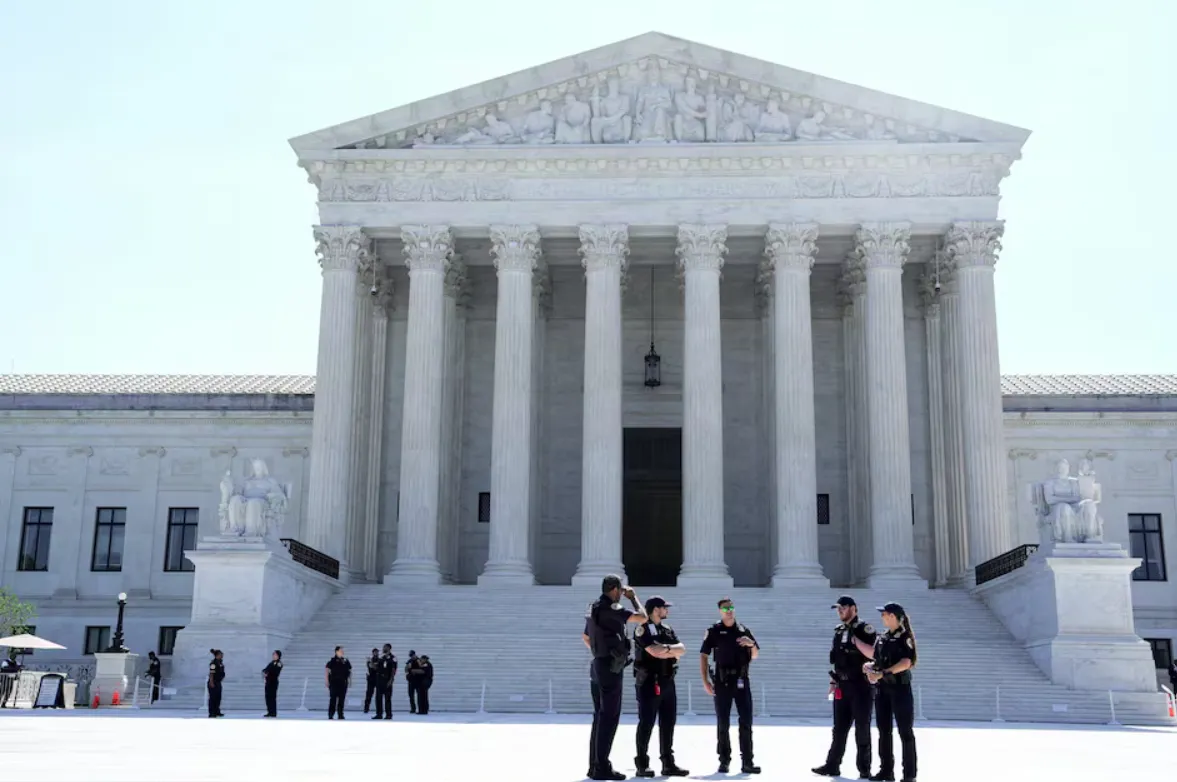
Public safety and regulatory clarity are not only law enforcement concerns — they are economic priorities. Businesses and investors evaluate risk before they evaluate opportunity. When communities feel safe, and rules are clear and consistently enforced, confidence grows. That confidence encourages businesses to stay, expand, and invest in the local economy.
My next editorial will focus on a three- to six-year strategic plan for Saipan’s future.
