







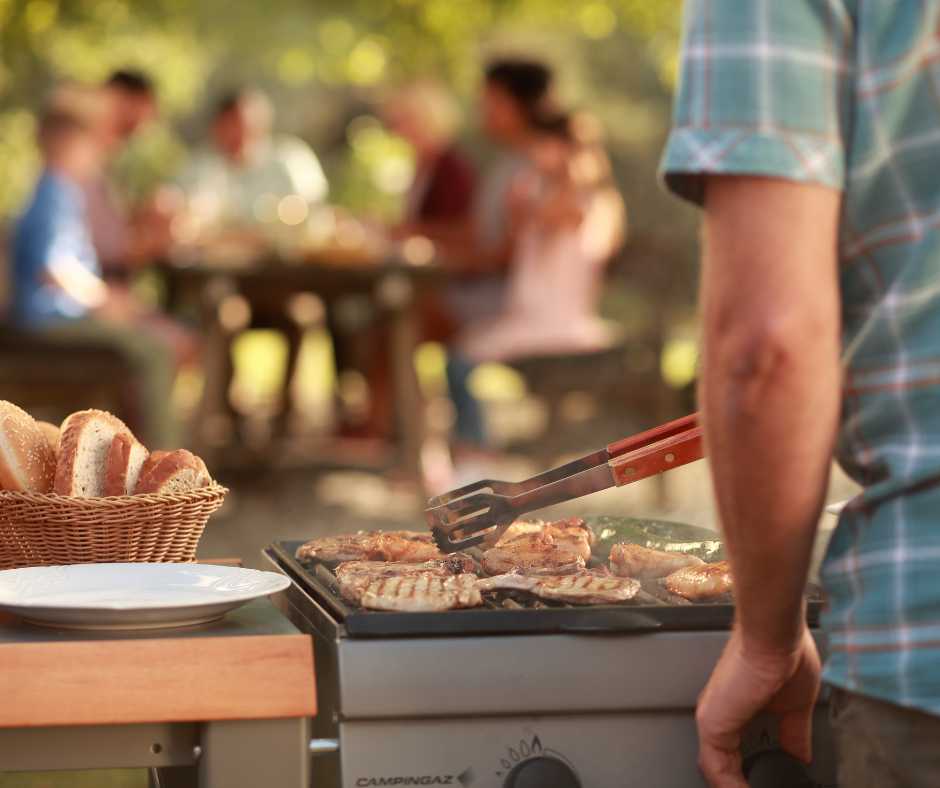

Prepare to master the art of grilling, harnessing the raw power of fire with precision and finesse. This guide will equip you with the knowledge and skills to create culinary masterpieces that will leave everyone impressed.
Grilling is more than just searing meat; it’s an experience that brings people together, fostering camaraderie and creating unforgettable memories over cold beers and delicious food.
Why mastering the grill matters
Investing time and effort into mastering the grill is essential to avoid ending up with charred, unappetizing meat. It’s about understanding the nuances of flavor, heat, and timing, elevating your skills beyond basic grilling to become a culinary artist. With the right techniques, you can transform simple ingredients into extraordinary culinary delights.
Gas vs. charcoal grills: Pros and Cons
Choosing between gas and charcoal grills is a significant decision. Gas grills offer convenience, quick heat-up times, and precise temperature control. They are versatile and require less cleanup. However, they lack the smoky flavor and traditional grilling experience associated with charcoal grills.
Charcoal grills infuse a distinct smoky flavor into the food and can achieve higher temperatures. They provide a traditional grilling experience but require longer heat-up time and more effort to regulate temperature.
Factors to consider when choosing a grill
Consider your flavor preference, cooking style, time, budget, and outdoor space when choosing between gas and charcoal grills.
Essential tools for grilling success
Ensure you have a grill brush, meat thermometer, and long-handled tongs and spatula to handle food safely and achieve even heat distribution.
Preparing your meat for the grill
Marinating meat adds flavor and tenderness. Choose a marinade based on the type of meat you’re grilling, ensuring all sides are covered. Season your meat with salt, pepper, and additional herbs or spices to enhance its natural taste.
Achieving perfectly cooked meat
Understanding heat zones on your grill is crucial. The hottest part is directly over the flames for quick searing, while the medium-heat zone is ideal for thicker cuts. The low-heat zone is used for slow-cooking meats. Use a meat thermometer to determine the internal temperature and avoid overcooking or undercooking.
Sides and sauces that complement your BBQ
Delicious side dishes like grilled corn on the cob, potato salad, coleslaw, and baked beans complement grilled meat perfectly. Homemade sauce recipes, such as classic barbecue sauce, Carolina-style mustard sauce, Alabama white sauce, and mango habanero sauce, can elevate your BBQ game.
Troubleshooting common grilling problems
To fix overcooked meat, remove it from heat and let it rest. For undercooked meat, increase the grill’s heat or finish cooking in the oven. Trim excess fat to avoid flare-ups, avoid overcrowding the grill, and reduce grease drippings onto hot surfaces.
Taking your grilling skills to the next level
Advanced techniques like smoking and rotisserie cooking can enhance your grilling repertoire. Smoking involves exposing meat to smoke from hardwoods, while rotisserie cooking uses a rotating spit rod for even cooking and delicious flavors.
By following these tips and techniques, you can become a grill master, creating unforgettable BBQ experiences that will impress your guests.
