




Palpitations? Rob felt that too, often, but thought it was because of the copious amounts of coffee he was drinking every day. The results of his last medical exam required for the renewal of his employment contract was not good.
The doctor gave him small white prescription pills which we later learned he did not take, and told him to come back, which he did not do.
Rob did not want his blood pressure taken for fear it might confirm his doubts. He could not be sick, he said. But he was, and he knew it.
One day, he stumbled and fell a few steps away from the bench he was sitting earlier outside a gym. He made it to the hospital, but not out of it.
Heart attack, the doctor said. Rob was 42. His final numbers were beyond 160/100 — which was already Stage 2 hypertension.
Rob, and all the other Robs out there, should have seen the numbers flashing and stopped before reaching the borderline.
Dr. Gary Ramsey of the Commonwealth Health Center in an earlier interview said that high blood pressure is one of the top chronic or non-communicable diseases in the CNMI.
He said the relationship between blood pressure and risk of cardiovascular diseases including heart attack and stroke is “continuous, consistent, and independent of other risk factors.”
“The higher the blood pressure, the greater is the chance of heart attack, heart failure, stroke and kidney disease,” Ramsey explained.
He said individuals with a systolic blood pressure of 120–139 or a diastolic blood pressure of 80–89 should be considered pre-hypertensive and require health-promoting lifestyle modifications.
Understanding your numbers
A normal blood pressure is 120/80. The 120 is your systolic blood pressure or the pressure of your heart while the ventricles are contracting and forcing blood to your body. The 80 is the diastolic blood pressure or the pressure when your heart is relaxing and the ventricles are filling up with blood.
Two visiting pharmacy students from the University of Hawaii College of Pharmacy, Benjamen Curry and Steven Evans who are doing their five-week internship program here, came up with a simplified pamphlet on how to manage high blood pressure.
Curry and Evans, who have conducted blood pressure checks and sugar testing in different communities, said if your blood pressure is already from 120-139 over 80-89, this is considered as pre-hypertension. Your red lights are already flashing. If your blood pressure is from 140-159 over 90-99, this is already Stage 1 hypertension stage, and once your pressure reaches 160 or 100, it’s Stage 2 hypertension.
In the United States, about one in three adults have high blood pressure, or about 72 million people.
Who are at risk?
1. Obese or overweight people have more risk of developing hypertension or high blood pressure. You are overweight when you have extra body weight from the muscle, fat, bone or water. You are obese when you have a high amount of extra fat in your body.
2. People with unhealthy lifestyle habits. This includes too much sodium or salt intake, too much alcohol, insufficient potassium in your diet, insufficient physical activity, and smoking.
3. People who suffer from long-lasting stress and anxiety.
4. If high blood pressure is in your family, take extra care. You are also at risk.
Symptoms
• Frequent headaches that could last for days.
• Feeling of drowsiness
• Blurry or double vision.
• Dizziness
• Nausea
• Shortness of breath.
• Heart palpitations
• Fatigue or general tiredness
• Flushed face
• Nosebleeds
• Need for frequent urination, especially at night.
• A ringing or buzzing in the ears
What you can do
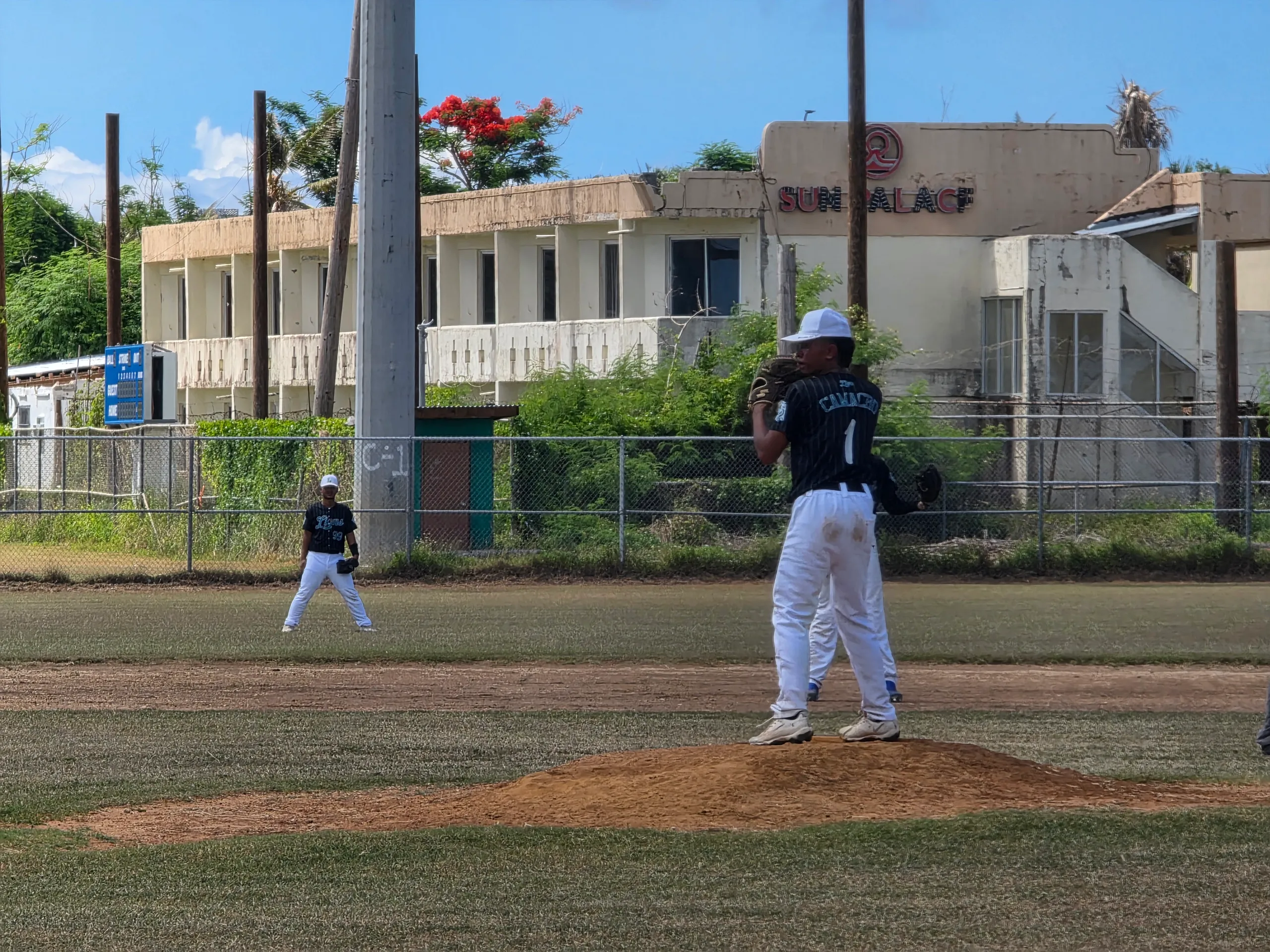
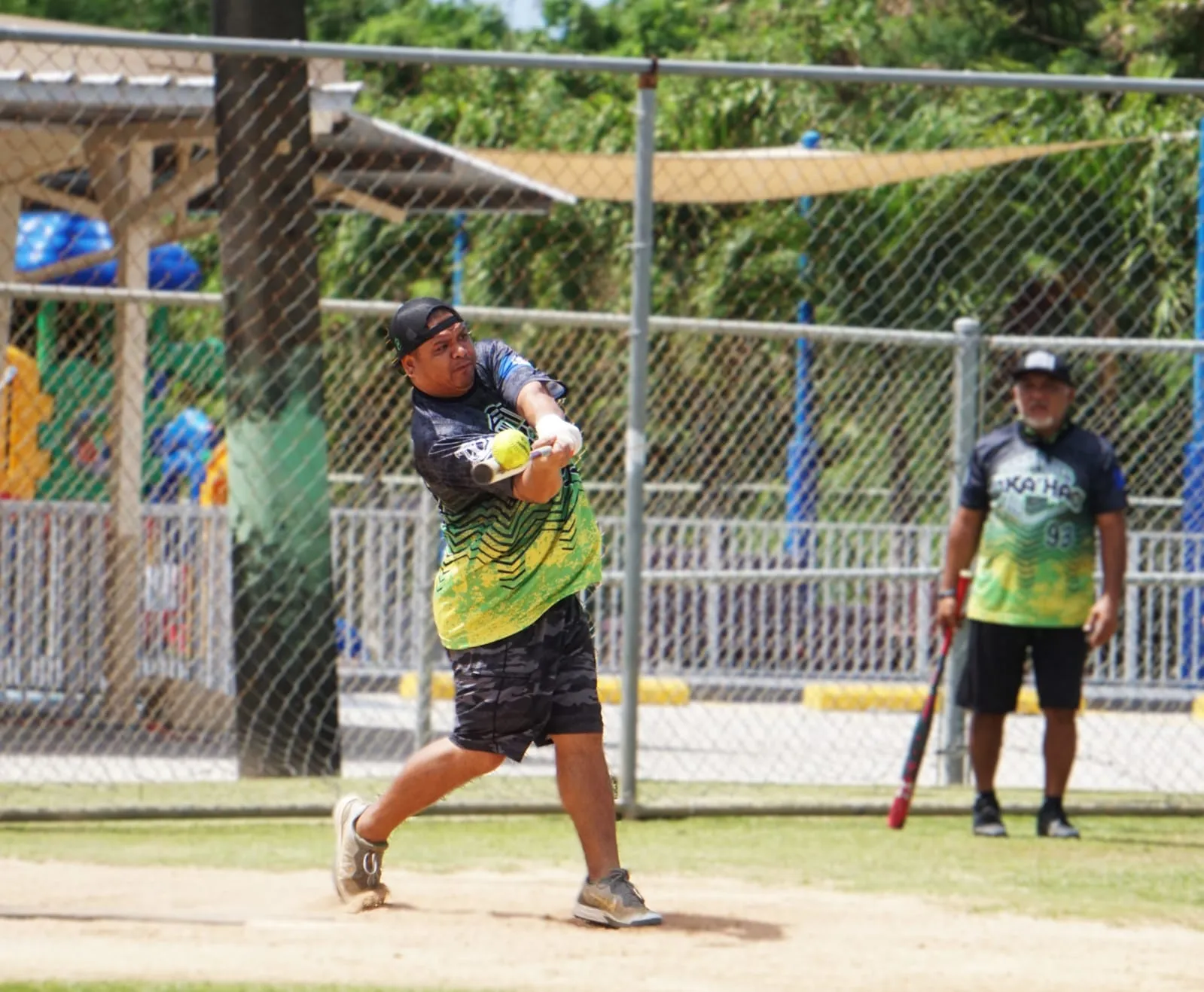
Being physically active, in addition to a lifestyle change and healthy diet according to Evans and Curry, are some of the most important things to do to prevent high blood pressure and reduce heart disease. A few suggestions:
• Walk two miles in 30 minutes.
• Bike five miles in 30 minutes.
• Swim laps for 20 minutes.
• Perform water aerobics for 30 minutes.
• Play basketball for 15-20 minutes.
• Run one mile in 10 minutes.
• Jump rope for 15 minutes
• Play volleyball for 45-60 minutes.
• Dance fast for 30 minutes.
• Start a healthy eating plan with foods low in saturated fats, low in cholesterol, high in fruits, vegetables and soluble fibers.
• Reduce salt in your diet.
• Avoid canned and fast foods if you can and don’t add extra salt to your food.
• Go easy on alcohol.
• Take your medications every day.
• If your blood pressure is over 180/110, seek medical attention immediately. It is already an emergency.
