





THROUGH $135,000 in funding from the Community Development Block Grant-Disaster Recovery program, the Center for Living Independently in the CNMI is offering $100 worth of food to the disability community.
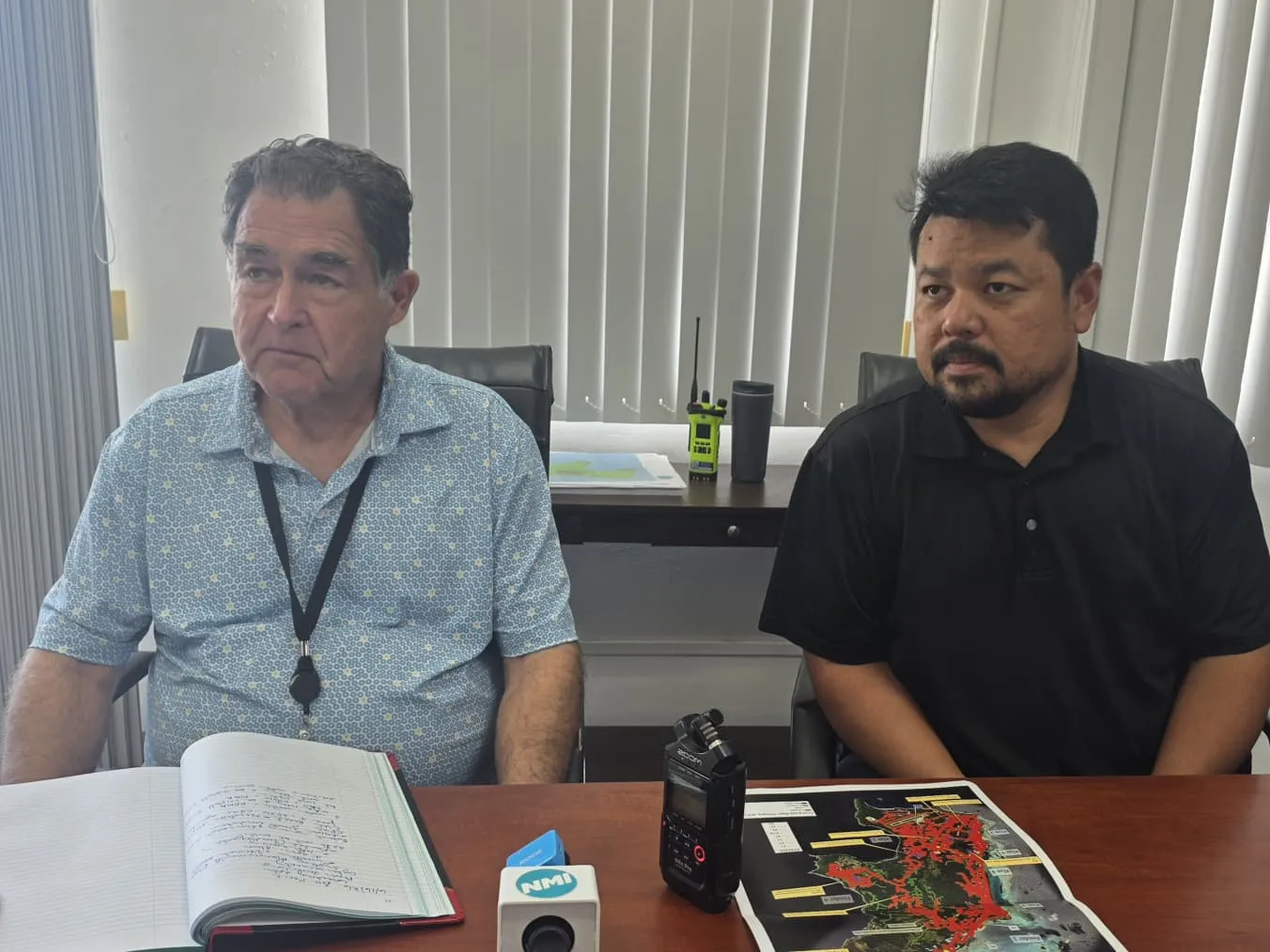
Roughly 600 individuals have already registered, CLI executive director Susan Satur said in an interview on Friday.
The food pantry program was created to prepare, prevent and respond to the Covid-19 pandemic, and to supplement and expand ongoing efforts to procure food and infection control supplies in the CNMI.
It aims to help eligible individuals 18 to 99 years of age with disability on a first come, first serve basis as a one-time only assistance and while funds are available.
Households will also be required to provide a self-certification indicating that they are either not receiving the same type of assistance during the same period, or are receiving the same type of assistance, such as Nutrition Assistance Program benefits, but are however, seeking program assistance to cover an “unmet need.”
The “unmet need” will be determined using the official U.S. Department of Agriculture Food Plans.
The cost of food at home will be calculated as follows: cost of food per family – value of food assistance provided (if any) = unmet need.
To apply, pick up an application and certification form at CLI-CNMI on Capital Hill, then submit the completed application and certification form to CLI-CNMI.
Applications will be reviewed, and eligible applicants will be contacted by CLI-CNMI staff to schedule a pick-up date for food and supplies.
Ineligible applicants will also be notified by CLI-CNMI.
Interested applicants with transportation issues may contact CLI-CNMI for accommodation.
Office hours are Monday to Friday 7:30a.m. to 4:30 p.m.
Those who are interested in applying for the food pantry assistance are encouraged to contact CLI-CNMI at 322-4303/04 for more details on the assistance.
Expansion
The center is also looking to expand to Tinian and Rota, executive director Satur said.
Citing the different needs on each island for persons with disabilities, she said Tinian requested to have a center resembling the one on Saipan, while Rota will have one that will be a little different.
The goal is to have centers on Saipan, Tinian, and Rota, she added.
“The sooner, the better, because we’re really trying to meet their needs,” she said.
Satur participated in a virtual meeting with the Tinian leadership on Friday to discuss opening a center on the island in the foreseeable future.
Discussions with the Rota leadership will take place in the coming months, she added.
“The center on Rota will be a different type of center, as each community has their own needs and we’re trying to meet the needs of that community,” she reiterated.
The CLI-CNMI Saipan office on Capital Hill acts as a model home for persons with disabilities. It has a kitchen, laundry room, computer room, and even a garden.
Persons with disabilities on Saipan frequent the center and learn practical skills that help them live independently.
On Friday, CLI-CNMI kicked off the first of a series of four activities aimed at benefiting persons with disabilities to live independently. The series feature activities such as upcycling, gardening and cooking.

Susan Satur is the executive director of the Center for Living Independently in the CNMI.
