



THE Drug Court is a treatment court, but it doesn’t end there, its manager Edward Diaz said on Thursday.
“There’s a thing we call recovery capital. Meaning, what is the capital that surrounds the person in terms of their long-term recovery. That could be employment, housing stability, education, finances, the relationship with the family in the community. So we look at all that and we approach it holistically to serve and to treat the participant,” Diaz said.
One of the Drug Court’s missions is to “share awareness” so that the community can learn more about the program and its work, he added.
“We have many, many partners to help participants in the recovery. The Drug Court team is huge and it’s a multi-disciplinary team to help participants recover,” Diaz said.
“We conduct outreach and awareness…to also reduce the stigma of addiction, that’s one of the things that we want — to reduce the stigma,” he added.
On Thursday afternoon, the Drug Court team celebrated the graduation of two participants, Franklin Crisostomo and Brent Parsons.
Diaz said “that makes a total of 85 graduates since the inception of the Drug Court.”
The local program was created in Dec. 2016 as a “collaborative, non-adversarial system to affect the rehabilitation and recovery of drug offenders through continuous court monitoring, regular drug testing, and holistic treatment for drug dependency.”
The Drug Court’s stakeholders include the HOPE Recovery Center, the Community Guidance Center, the Commonwealth Healthcare Corporation, the Department of Corrections, the Department of Public Safety, the Department of Labor, the Office of the Attorney General and the Public Defender’s Office.
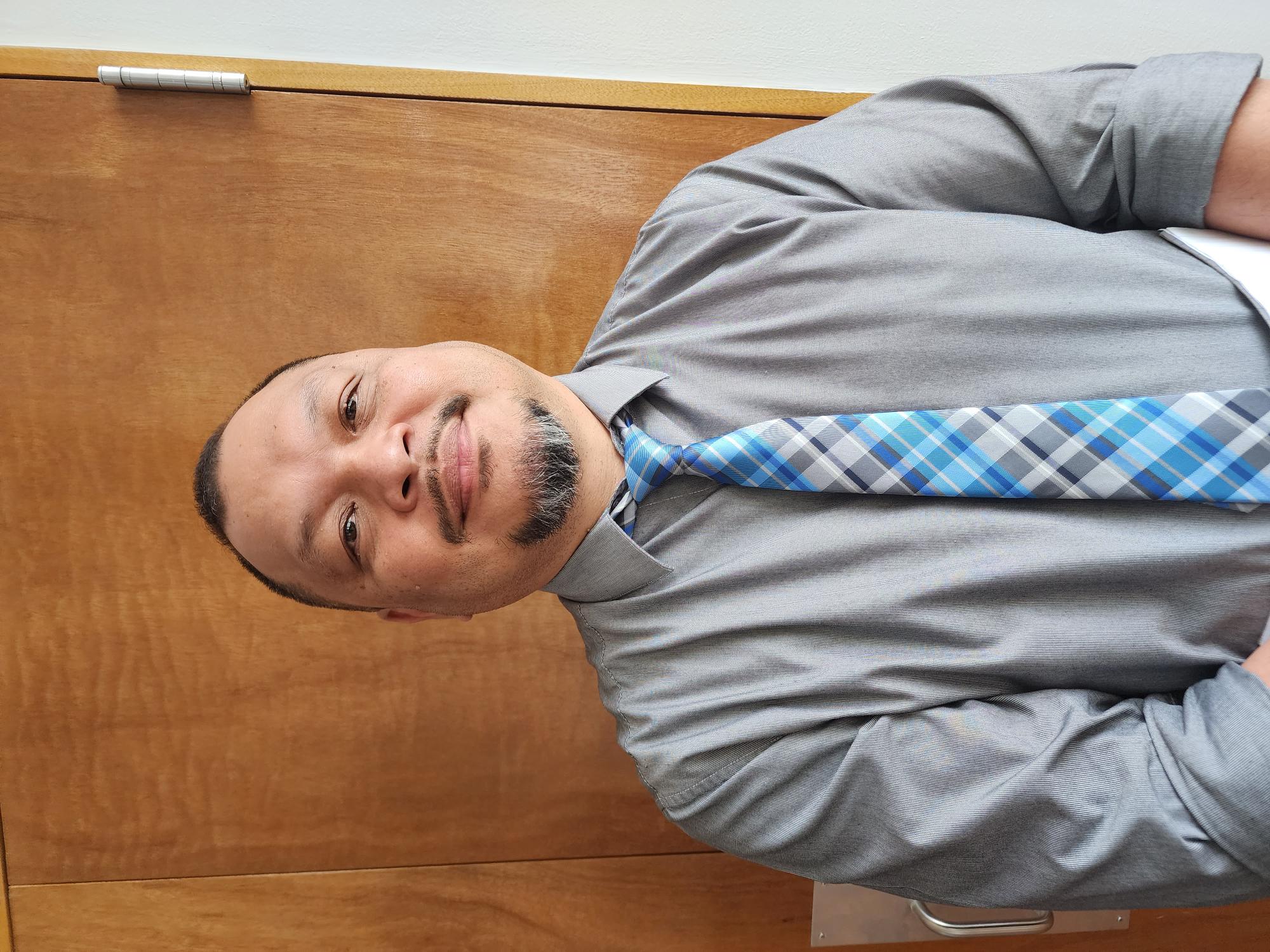
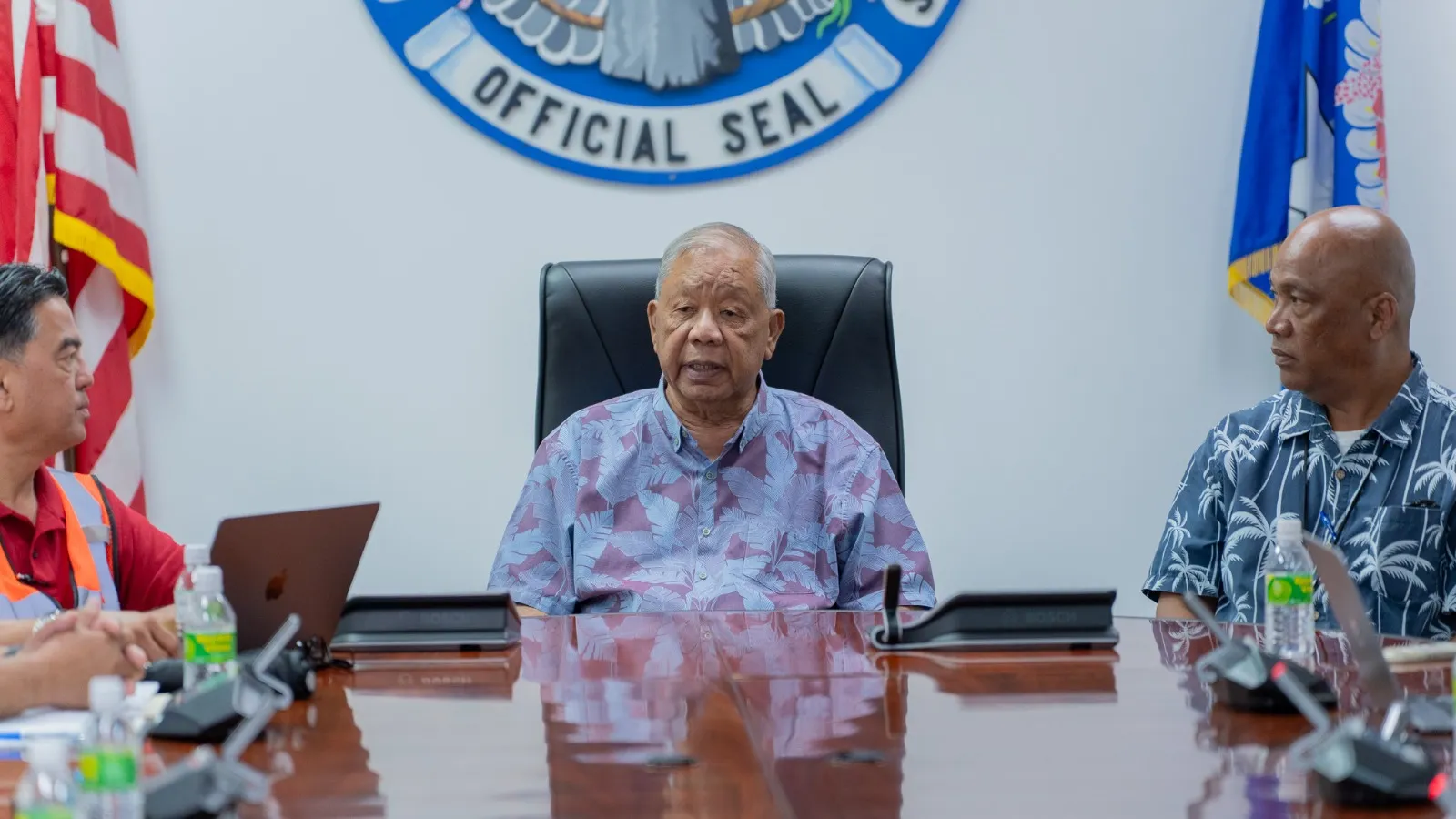
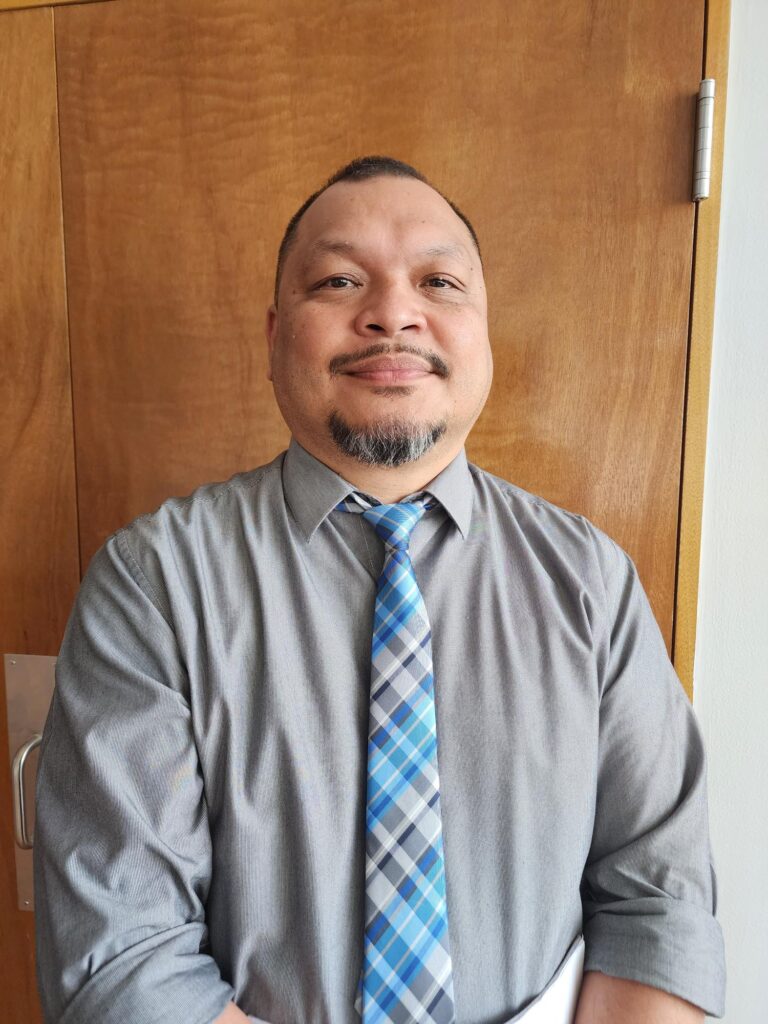
CNMI Drug Court Manager Edward Diaz
