






HAGÅTÑA (The Guam Daily Post) — A new proposal from the U.S. Fish and Wildlife Service and the National Oceanic and Atmospheric Administration’s National Marine Fisheries Service would aid the preservation of green sea turtle habitats along critical areas of U.S. coastline, the Fish and Wildlife Service announced recently in a press release.
A critical habitat is defined as an area that contains habitat features essential for the conservation of a species.
Green sea turtles are a threatened, endangered species and are among approximately 1,300 other species listed under the U.S. Endangered Species Act. The species was placed on the endangered list in 1978, the Fish and Wildlife Service said in the release.
The 1973 Endangered Species Act, aimed at preventing the rapid extinction of plant and animal life, has been credited with saving many species previously in danger of becoming extinct, including the bald eagle, gray wolf and California sea otter.
The proposal, which was made public in mid-July, outlines the intention to preserve designated coastal regions in California, Florida, Hawaii, North Carolina, Texas, American Samoa, Guam, the U.S. Virgin Islands, the Commonwealth of the Northern Mariana Islands and Puerto Rico.
“The Fish and Wildlife Service proposes designating 8,870 acres of critical habitat on land where green sea turtles bask, nest, incubate, hatch and travel to the sea,” the service said in the release. “NOAA Fisheries proposes to designate marine critical habitat from the mean high water to 20 meters depth to protect access to nesting beaches, migratory corridors and important feeding and resting areas.”
In particular, the Fish and Wildlife Service is proposing to designate approximately 125 acres on Guam and 180 acres within the CNMI as critical habitats for the species.
Both proposed rules were published July 17, beginning a 90-day public comment period that closes Oct. 17. According to the release, the comment period is an essential time for both agencies to hear from members of the public, Indigenous communities, stakeholders, scientists and governmental representatives.
For more information and maps of the proposed areas, visit the Pacific Islands Fish and Wildlife Office website.
An array of risks
Green sea turtles face an array of risks, the release stated, including threats to their habitat.
“Coastal development impacts the beaches they require to nest and increases artificial lighting, causing hatchlings to migrate to the lights and away from the ocean. Runoff and other pollution kill seagrass and algae, reducing the availability of this major food source for green sea turtles. Fisheries bycatch, vessel strikes, marine debris and pollutants also continue to threaten green sea turtles,” the release stated.
“Climate change also imperils green sea turtles as rising seas and storms erode beaches and flood nests, causing them to wash away. Higher sand temperatures can increase the number of female hatchlings, shifting the ratio of males and females. Changes in ocean temperature alter the amount and distribution of food, upsetting their migration, foraging range and nesting seasons.”
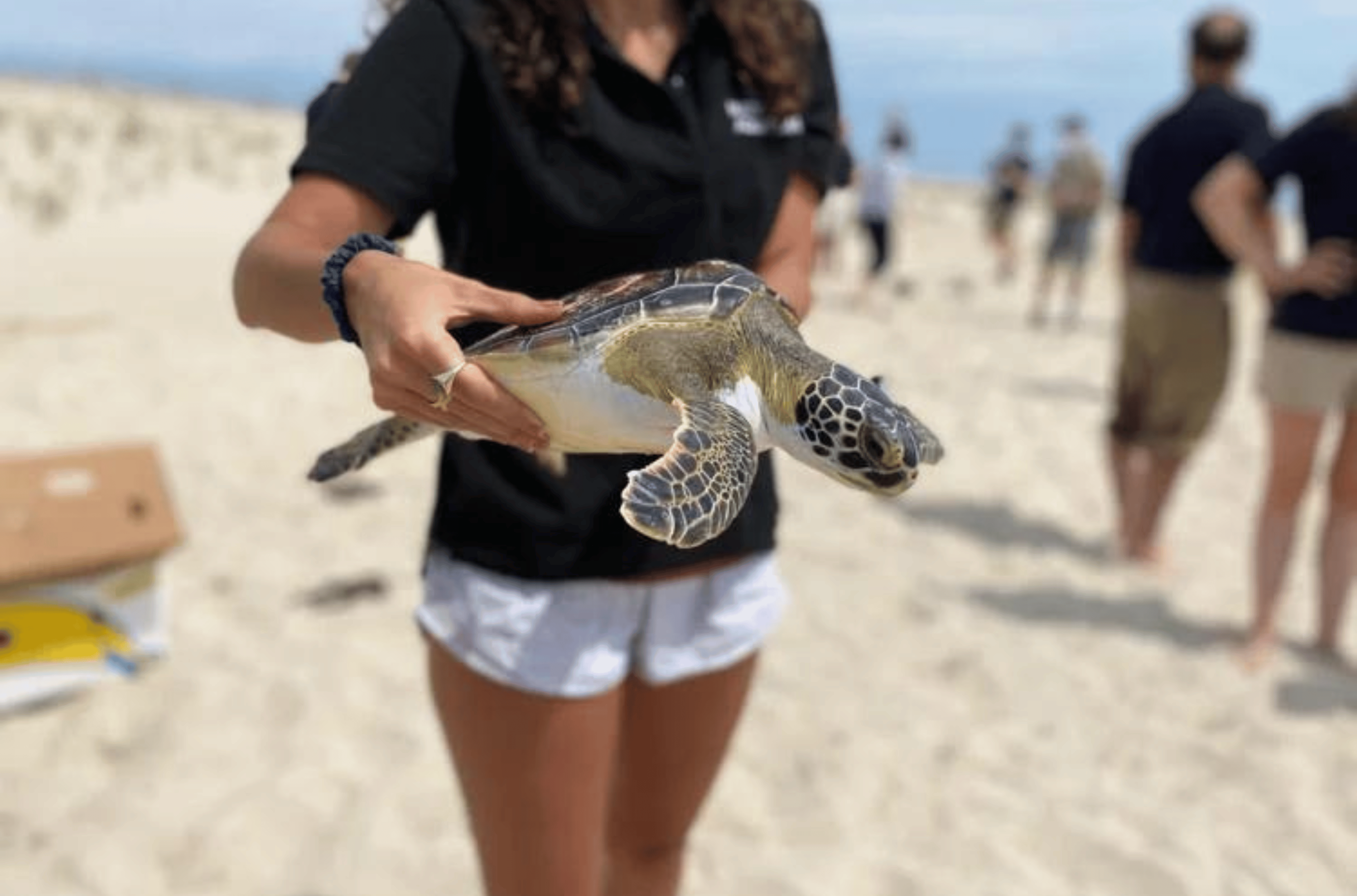
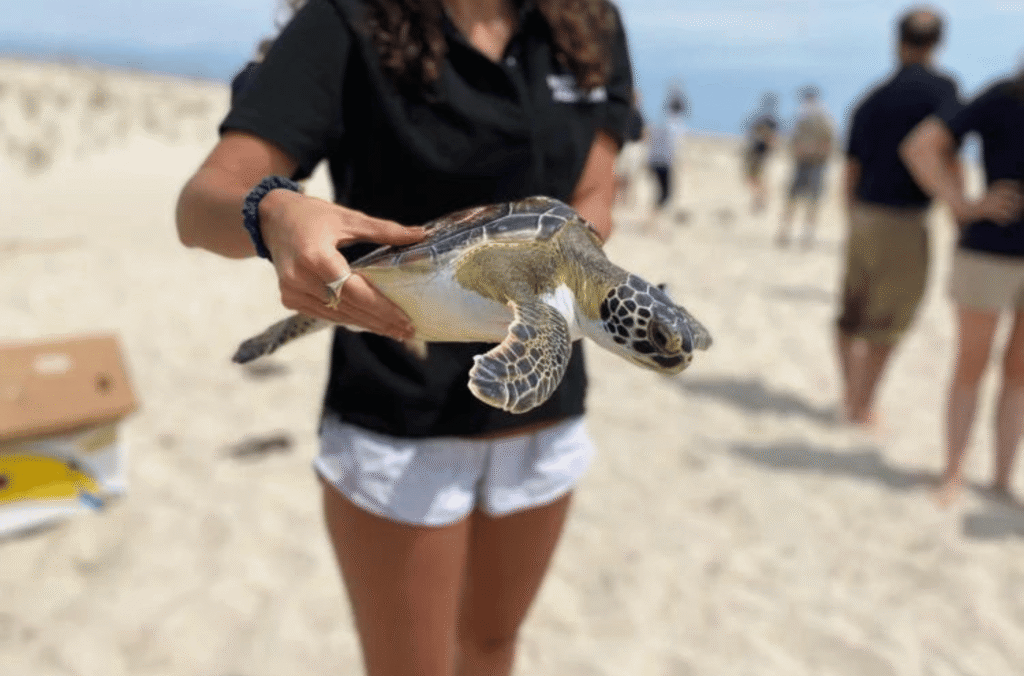
A green sea turtle, rehabilitated after stranding on a North Carolina beach in January 2023, is seen just before release in Maryland later in the year.
