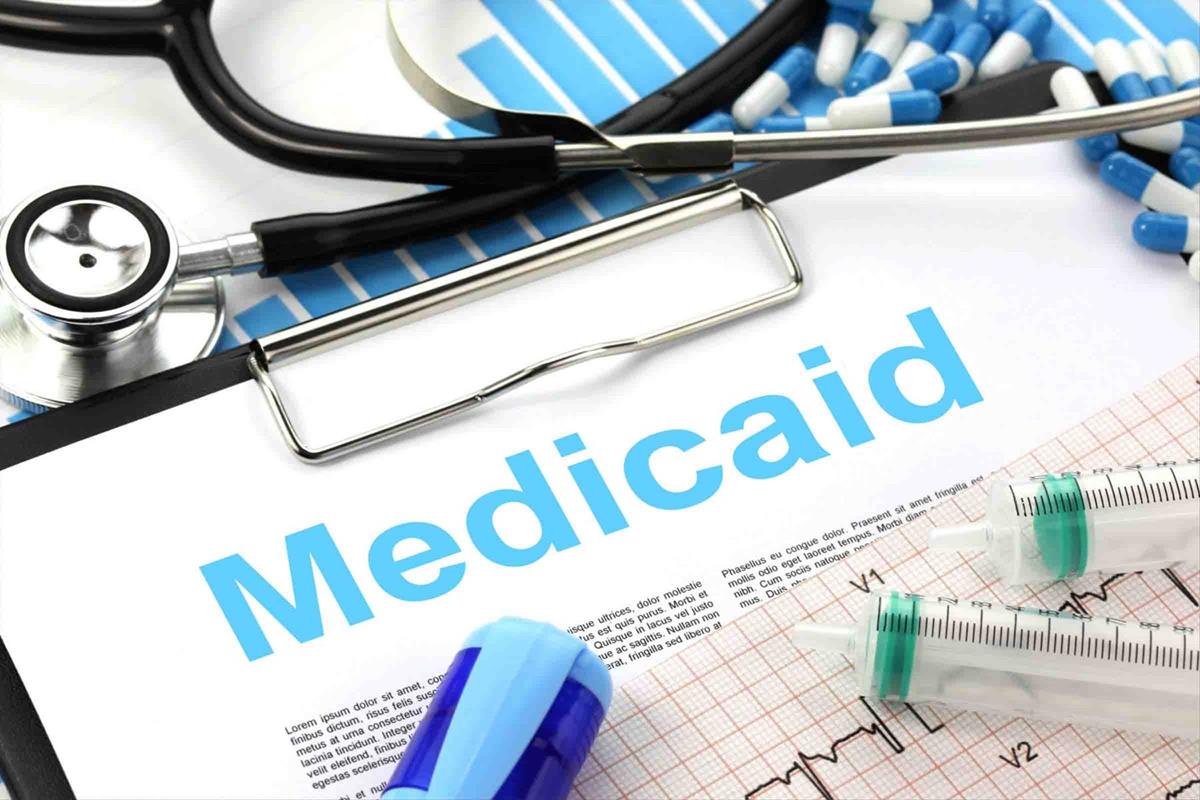


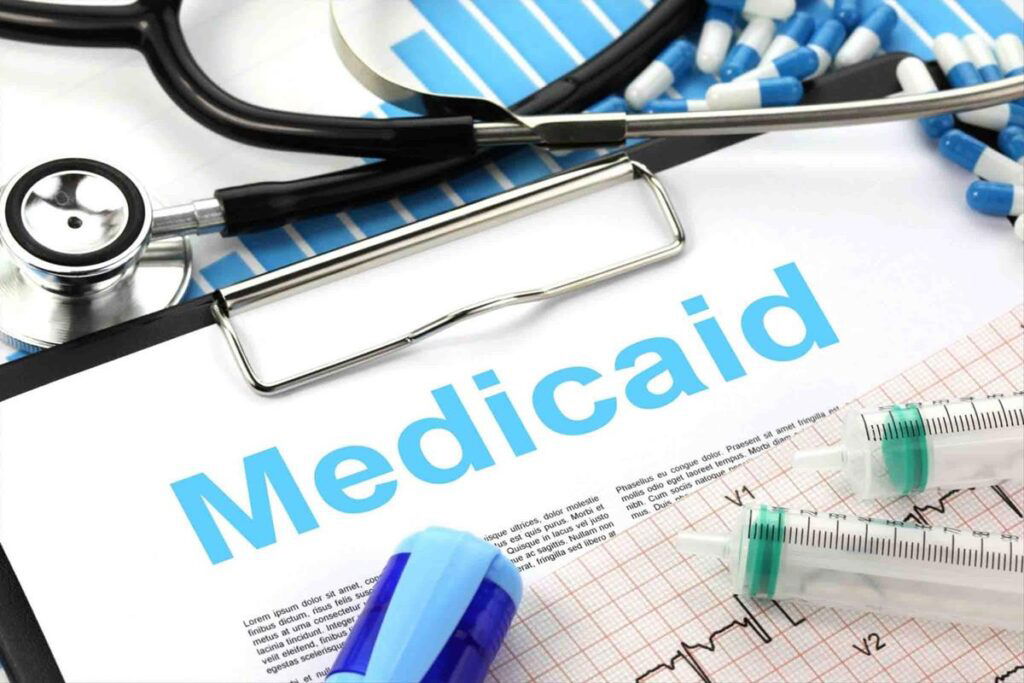
COMMONWEALTH Healthcare Corp. Chief Executive Officer Esther L. Muna on Friday said the Presumptive Eligibility for Medicaid in the CNMI may be extended up to June 2022.
The federal healthcare program is due to expire this April.
“We are expecting a possible extension of the program up to June,” said Muna.
This decision, however, will ultimately be made by the federal government, given that it is a federal program, she noted.
Muna said the program was established pursuant to the national public health emergency put in place due to Covid-19.
A two-month notice should have been given, she said, before the public health emergency is lifted, thus marking the end of the program.
“We are expecting an extension and the reason for that is because we understood that it requires at least two months’ notice before the public health emergency ends. If it [expires] next month, it’s less than two months. So that’s not enough time. They’re supposed to give ample time for us to notify the community that the public health emergency is ending. Once the public health emergency ends, then Medicaid Presumptive Eligibility ends,” she said.
Even if the program ends, Muna added, there will still be a redetermination period to determine whether those who availed themselves of presumptive Medicaid qualify for regular Medicaid.
For individuals presumed eligible, the Medicaid Office will determine whether or not they are eligible for regular Medicaid.
“For those eligible for presumptive Medicaid before, the Medicaid Office will let you know if you have an opportunity to apply for the regular Medicaid,” said Muna.
Presumptive Eligibility, or PE, offers individuals and their family immediate access to healthcare while they apply for regular Medicaid or other health coverage.
Coverage can immediately be used for Medicaid-covered services, such as doctor visits, hospital care, and some prescription drugs.
Individuals under PE for Medicaid coverage may visit any health care provider that accepts Medicaid, beginning on the day that they are approved for presumptive eligibility.
Individuals and families are eligible for Medicaid if their attested gross income does not exceed 180% of the Supplemental Security Income, or SSI, federal benefit, which is $28,800 annually for a family of four, CHCC said.
Those enrolled through the presumptive eligibility process receive the same benefits as other enrollees, but only while the public health emergency is in effect.
Unless an individual completes the full Medicaid application and enrolls in coverage the traditional way, his or her Medicaid coverage will cease when the public health emergency is no longer in effect.
Enrolling in Medicaid through PE does not impact an individual’s eligibility for permanent resident status in the future, CHCC added.
Receiving public benefits such as Medicaid does not automatically make an alien ineligible to become a lawful permanent resident.
For more information, contact the Care and Resource Assistance office at (670) 234-8950 ext. 3502.