





Called “paok,” the ancestor worship is traditionally held in the place where the local people’s ancestors lived. Led by their village chief, the people “talk” to their ancestors.
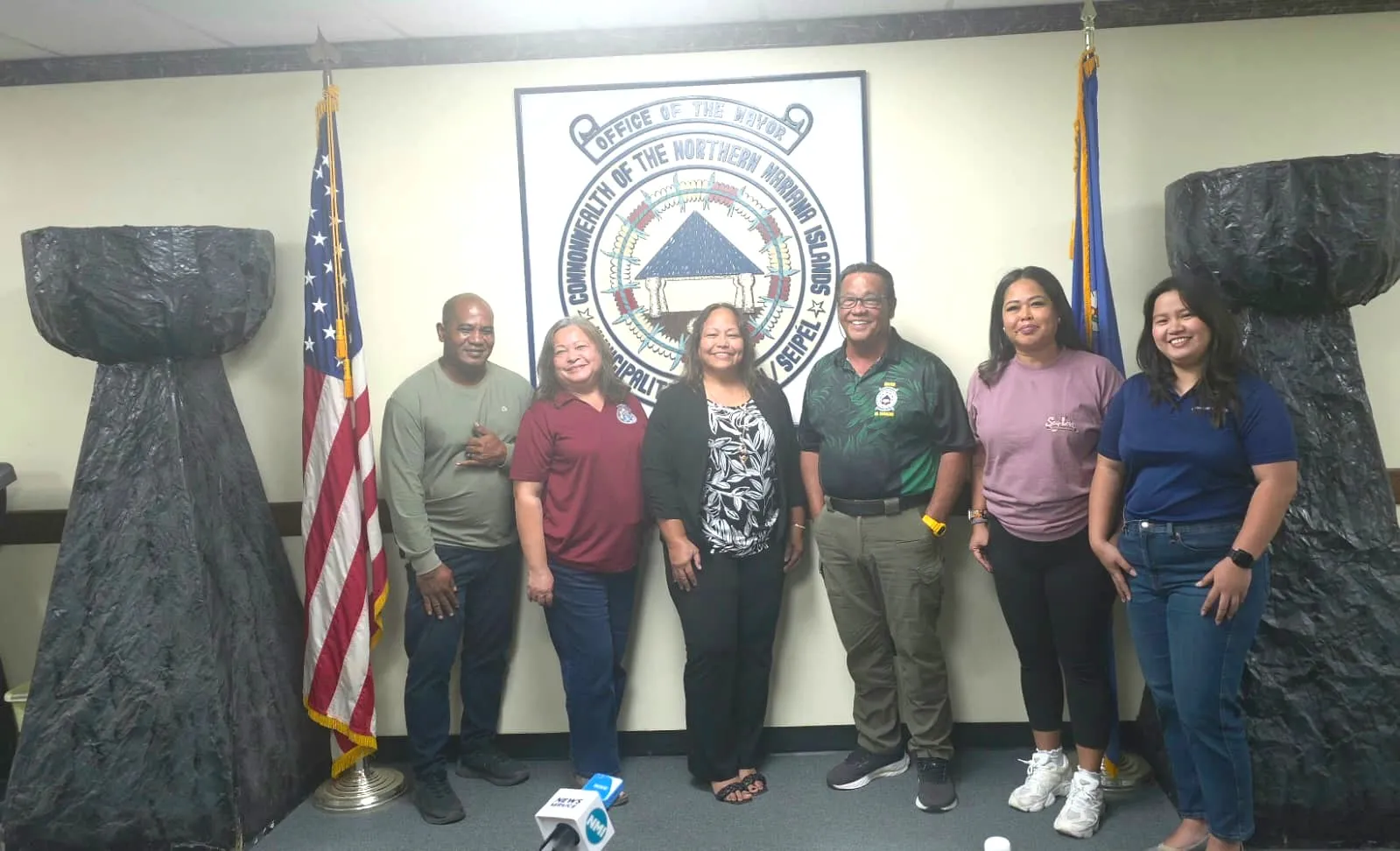
Tinian Mayor Ramon M. Dela Cruz led the PIBBA participants on the second day of the conference to the House of Taga where they communicated with their ancestors and asked permission that the mayor be named “guelhin tasi” or lord of the ocean.
Close to 200 PIBBA participants joined the ritual, making it the largest paok held on Tinian, Dela Cruz said.
“I had goose bumps while we were doing it,” he added.
“We paid respect to the spirit of our ancestors,” Dela Cruz said adding that he, as the mayor, asked their ancestors’ permission to visit the place.
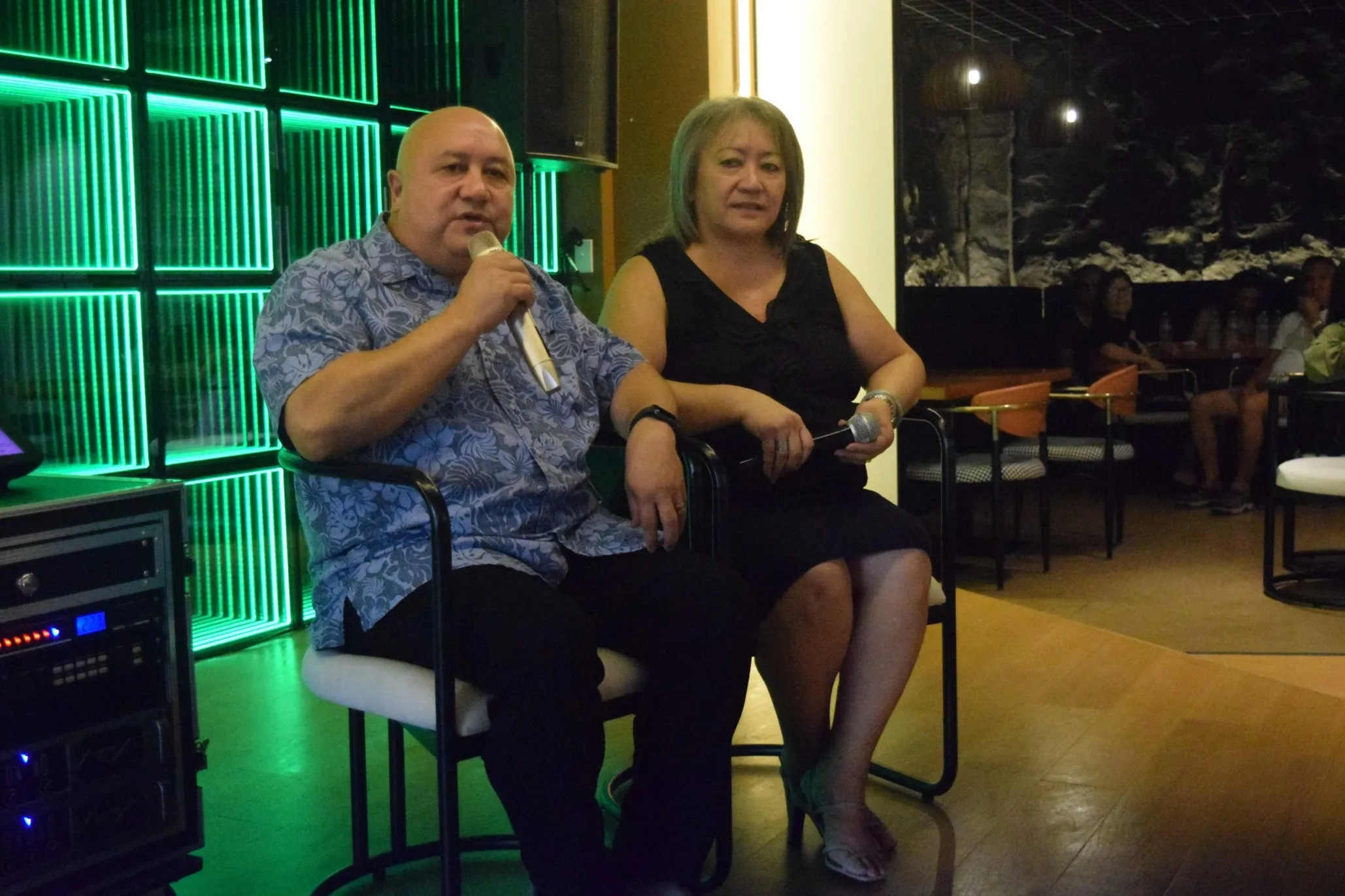
The three-day PIBBA conference, which was held on Tinian for the first time, discussed specific efforts to preserve the fading native languages and cultures.
Diana Borja, PIBBA’s local chairwoman, said participants from Guam, Pohnpei, the Marshall Islands and Hawaii were among those who attended the conference.
Florene Hofschneider, a PIBBA member, said participants pledged to continue “saving” Pacific languages and cultures.
“There has been a concerted effort of all the members,” she added.
Hofschneider said they agreed to share information and research through websites.
They will also intensify the campaign to “revive” Chamorro culture at schools and at homes. “Now that we have realized we are losing it, we know that we have to do something,” she said.
Hofschneider admits that English is a language of economic development but the younger generation should always keep in mind that “proficiency in English should not mean the demise of our parents’ native tongue.”
Carolinian navigator Lino Olopai, one of those who organized PIBBA in 1978, said it is about time to “save the culture.”
He believes that members of the new generation are very anxious to find out about their roots.
During the conference, he said, hospitality was demonstrated in Chamorro traditional way.
“The idea is to make connections among Pacific families regardless of economic interests and religious belief,” he added.
Jose Kiyoshi, Tinian resident and resident head of the Department of Commerce, said he was happy to say that the CNMI’s economic hardship “did not hinder us from hosting such a very important event.”
Mina Dela Cruz Cepeda, supervisor of the Tinian mayor’s outreach program, said PIBBA is a “very good group that brings all islanders together so they can share ideas about the preservation of island cultures.”
On Feb. 11, 1978, a group of Pacific islanders gathered at the University of Hawaii to form a regional group that would work for preservation of culture. But it was not until Jan. 1980 when PIBBA was formally organized with Guam’s Robert Underwood as the founding president, Palau’s Masaaki Emesiochi as vice president and the CNMI’s Carmen Taimanao as secretary.
