

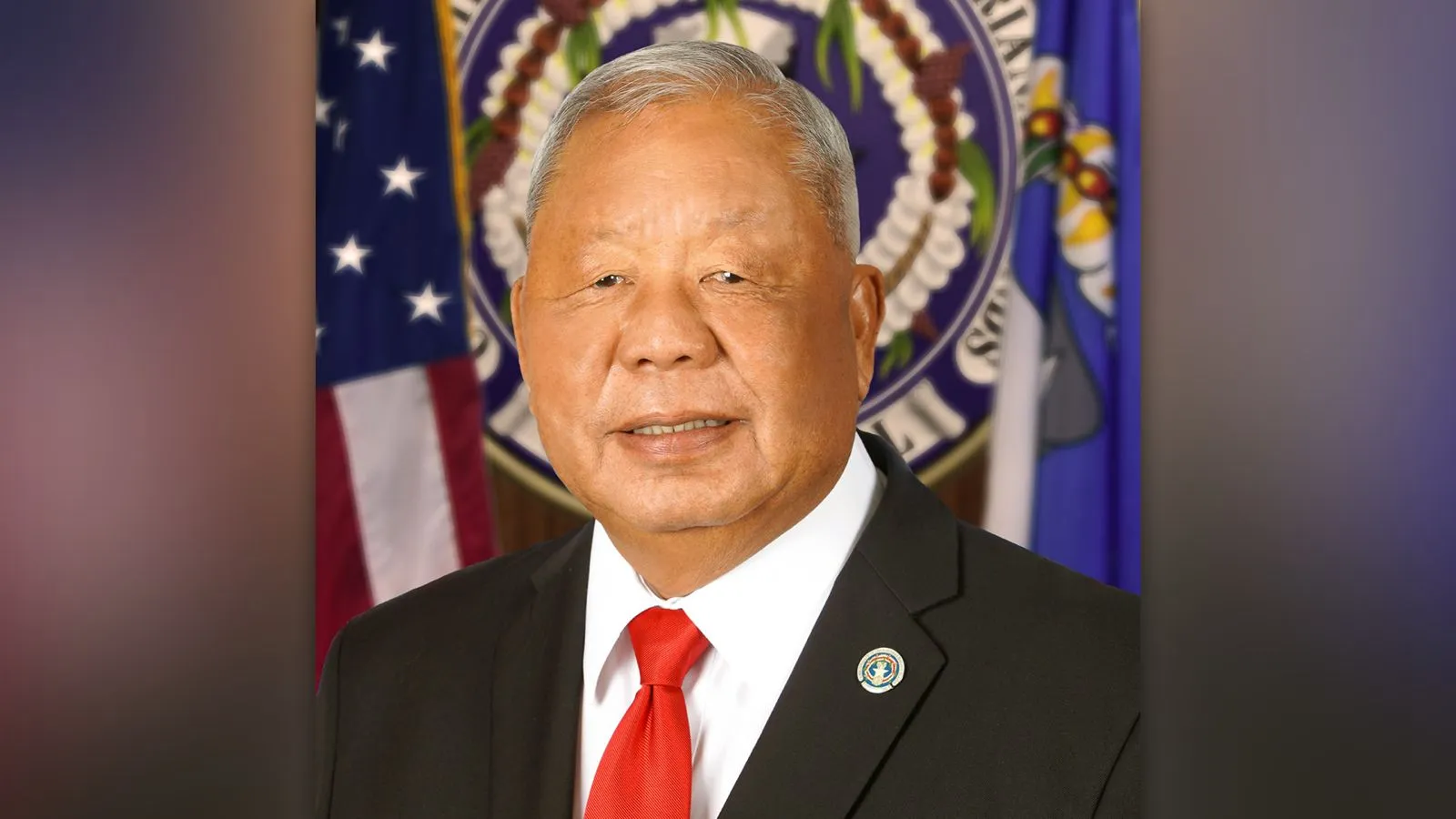



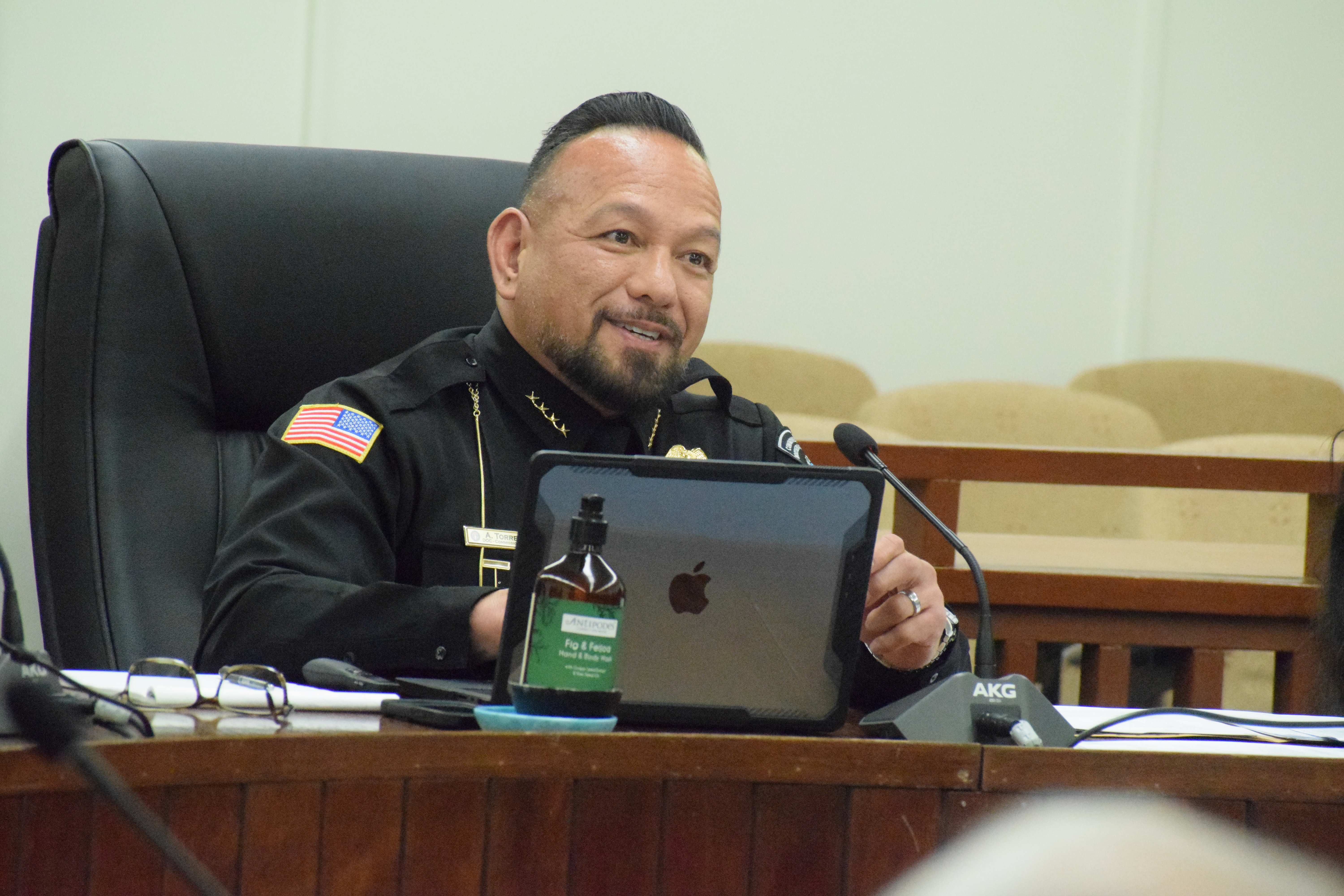
Corrections Commissioner Anthony C. Torres
“WHILE some may argue against the idea of paying inmates or supporting their work programs, it’s essential to recognize that these initiatives aren’t just about giving handouts or wasting taxpayer money,” Department of Corrections Commissioner Anthony Torres said in a statement to the media on Sunday.
Last week, during a House Committee on Judicial and Governmental Operations meeting, Precinct 2 Rep. Manny Gregory Tenorio Castro offered a floor amendment for the adoption of House Bill 23-64, House Substitute 1, aimed at authorizing the CNMI Department of Corrections to pay inmates for work performed while incarcerated.
Castro, who introduced the bill, said it “represents a proactive step toward enhancing rehabilitation efforts and fostering community safety. The bill seeks to provide inmates with the opportunity to earn wages of up to $1 per hour for their labor, helping them develop essential work skills and instill a sense of financial responsibility.”
Torres, for his part, said: “In a society that often views incarceration solely through the lens of punishment, it’s crucial to consider the profound impact work programs and the ability to earn wages can have on individuals behind bars and on all of us when they return home.”
He said by allowing inmates to earn money, “we empower them to contribute to their families and communities even from behind bars. The wages they earn can help pay for phone calls home, support their dependents, or even save for their eventual release, making the transition back to society that much smoother.”
He said when inmates “acquire practical skills and work experience, they are far less likely to return to prison after their release. Statistics show that employment greatly reduces the likelihood of recidivism. By investing in work programs today, we can lower crime rates and save taxpayer money in the long run, transforming our justice system from a cycle of re-incarceration to a system that nurtures hope and opportunity. Consider the ripple effects on communities.”
He said instead of “viewing inmates as a burden or a threat, we can perceive them as individuals who, with the right support, can turn their lives around.”
H.B. 23-64, he added, would give him the authority and flexibility to promulgate regulations and policies to establish a system and process for paying inmates when there is adequate funding.
“I would have a ceiling of $1 per hour. An inmate would start with $.25 per hour and work up to that $1, based on their work performance and good conduct,” he said.
“An example of acquiring funding would be, say, our Commonwealth, through the Department of Public Works, receives $13 million of federal funding to pave the road leading up to Mt. Tapochau. Well, our Outreach Program with five officers and 30 participants can be contracted by DPW to work on a portion of the project for $4 million. A portion of that $4 million would be set aside for inmate pay and the rest to help sustain our program and pay for other expenses like staff and inmate uniforms, evidenced-based programs, equipment, utilities, staff training, etc. While incarcerated, with good conduct coupled with psychology programming and acquiring job certifications in the trades industry, these participants would be set up for a successful reentry into the community with a solid job placement in DPW or in the private sector,” Torres added.
