



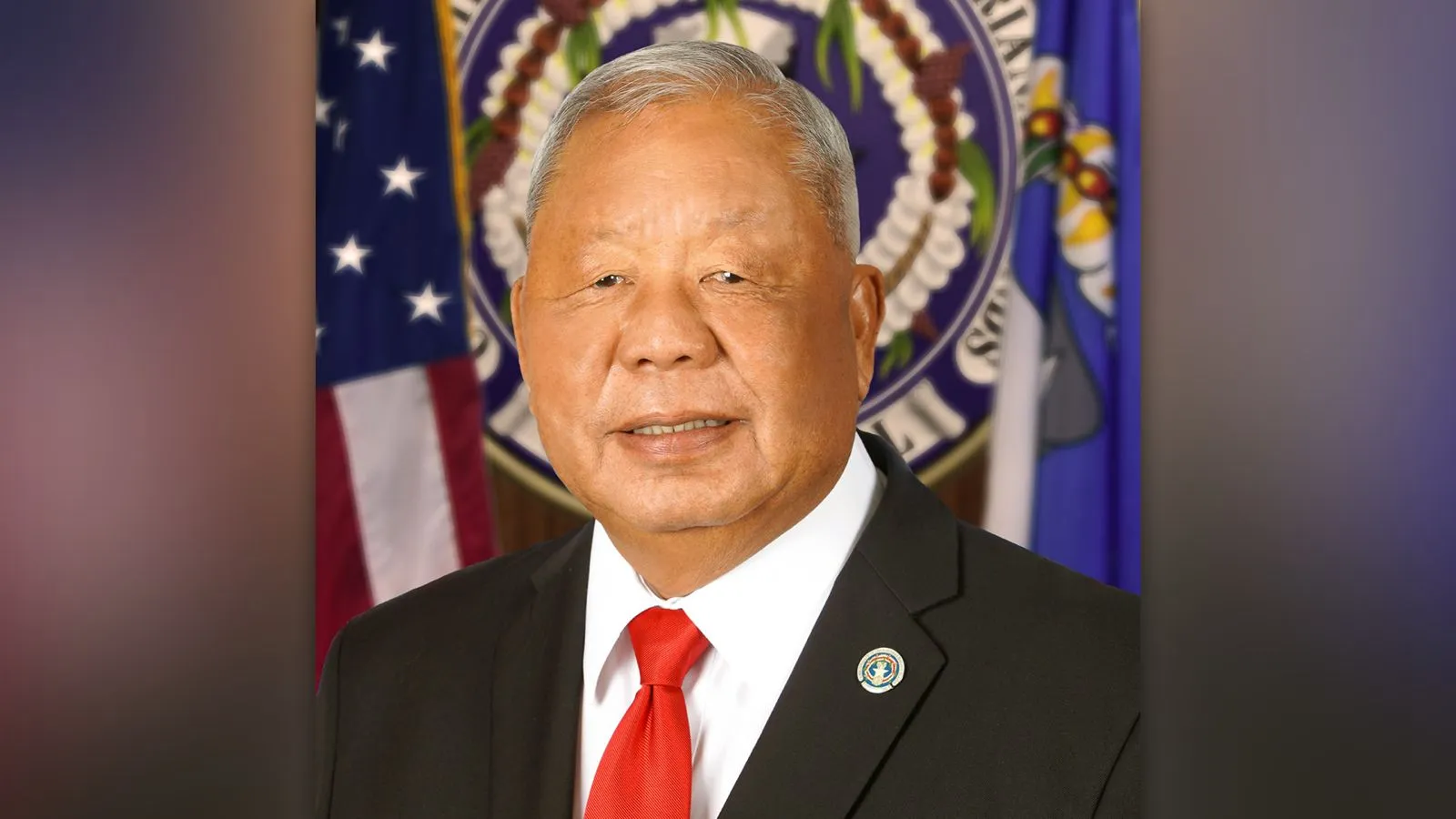




The governor said although many parts of the U.S., including Guam, have an elected AG, he doesn’t think the idea would work here.
“I have researched into this. There are more elected attorneys general in the United States, including Guam, but for a community as small as this, which is very highly political, I don’t think it has a place here. In other words, I would be against an elected attorney general,” he said.
“The elected attorney general can very well become an unelected governor,” he added.
Reps. Stanley T. Torres, R-Saipan, and Francisco Dela Cruz, Covenant-Saipan, have sponsored House Legislative Initiative 16-23 to make the AG an elected official.
The two lawmakers said the AG’s Office should be free from any political influence or interference and that the current practice of having the AG appointed by the governor defeats this purpose.
“The present system of the governor appointing the attorney general with the advice and consent of the Senate subjects the attorney general to removal at any time by the governor and proscribes independence of the attorney general to enforce the laws of the commonwealth,” they said.
H.L.I. 16-23 must be passed by the three-fourths vote of each house of the Legislature so it can be placed on the Nov. 7 ballot. Voters can then either ratify or reject it.
Under the initiative, the elected AG will serve a term of four years.
He or she must be at least 35 years old; a U.S. citizen; has established at least five years of residency in the CNMI; an active member of the commonwealth bar for at least five years; have never been convicted of any crime; and has no party affiliation.
