


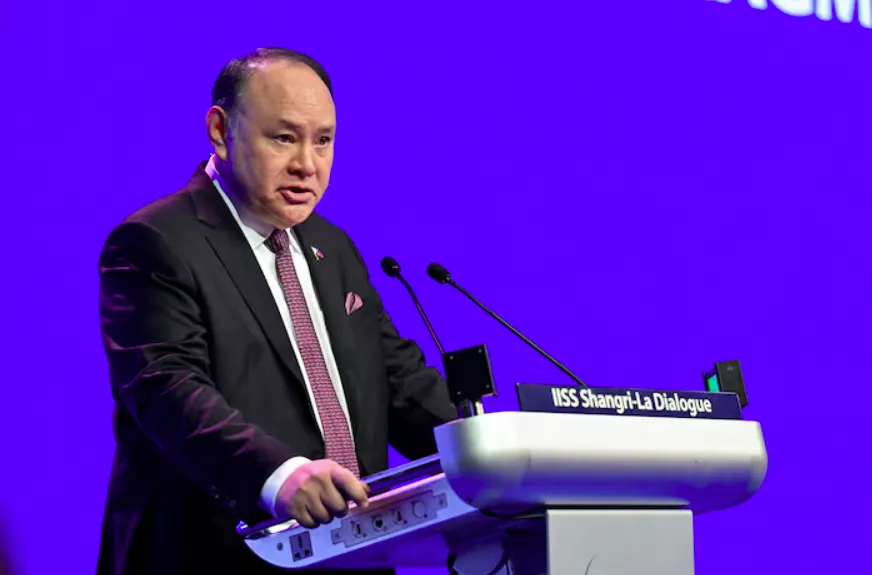


“Over the last seven years, our ties to our brothers and sisters in the neighboring islands of the Commonwealth of the Northern Marianas Islands have become closer than ever. As we recognize the combined strength of the Mariana Islands and her people, on matters of mutual interests and benefit, Guam and the CNMI should once again seek reunification,” said Camacho, whose second term ends in Jan. 2011.
Guam’s Organic Act prohibits the governor from immediately seeking another term.
Camacho also talked about Marianas reunification during the 2009 Economic Restoration Summit on Saipan, and even proposed that a regional economic task force be created so that the islands could work together and benefit from the military buildup.
In his State of the Island Address, the governor said a reunification attempt was made in 1962, but it failed.
In a referendum in 1969, Guam voters rejected reunification, which NMI voters favored.
Camacho said reunification can only be realized once the people of Guam begin the healing process.
“We can only succeed if we begin to forgive and let’s not look behind but let’s look forward. As one Marianas, with greater representation and inclusion as American citizens, we will only strengthen our people and our communities,” Camacho said.
Up until 1898, the Marianas were administered as a single entity by Spain.
At the end of the Spanish-American War, however, Guam was sold to the U.S. while Germany purchased the NMI.
In 1914, Japan seized the NMI.
When World War II broke out, Guam was invaded by Japan, and many believed that Guamanians had not forgotten the pro-Japanese actions of the NMI Chamorro translators and police officers brought by Japan to Guam.
In May 2008, during the Attorney General’s Cup speech competition on Saipan, Camacho asked forgiveness from the CNMI for Guam ’s rejection of the proposed reunification.
In his 2008 speech, Camacho said “it is time to focus on a vision and plan for unity — we cannot allow others to break that hope.”
Yesterday, Camacho noted that the CNMI is a part of the military buildup and this is clear in the draft environmental impact statement.
He said both Guam and the CNMI have proven time and again their patriotism and their “off the charts” enlistment rates in the U.S. armed forces.
Camacho last week met with CNMI Gov. Benigno R. Fitial during a Japanese parliamentary delegation on a fact finding mission, and both were in agreement that Guam could not accept more troops than the anticipated 8,000 Marines and their 9,000 dependents that will be transferred here from Okinawa.
Fitial said the CNMI, specifically Tinian, will welcome the additional 4,000 troops from Futenma Airbase in Okinawa.
