



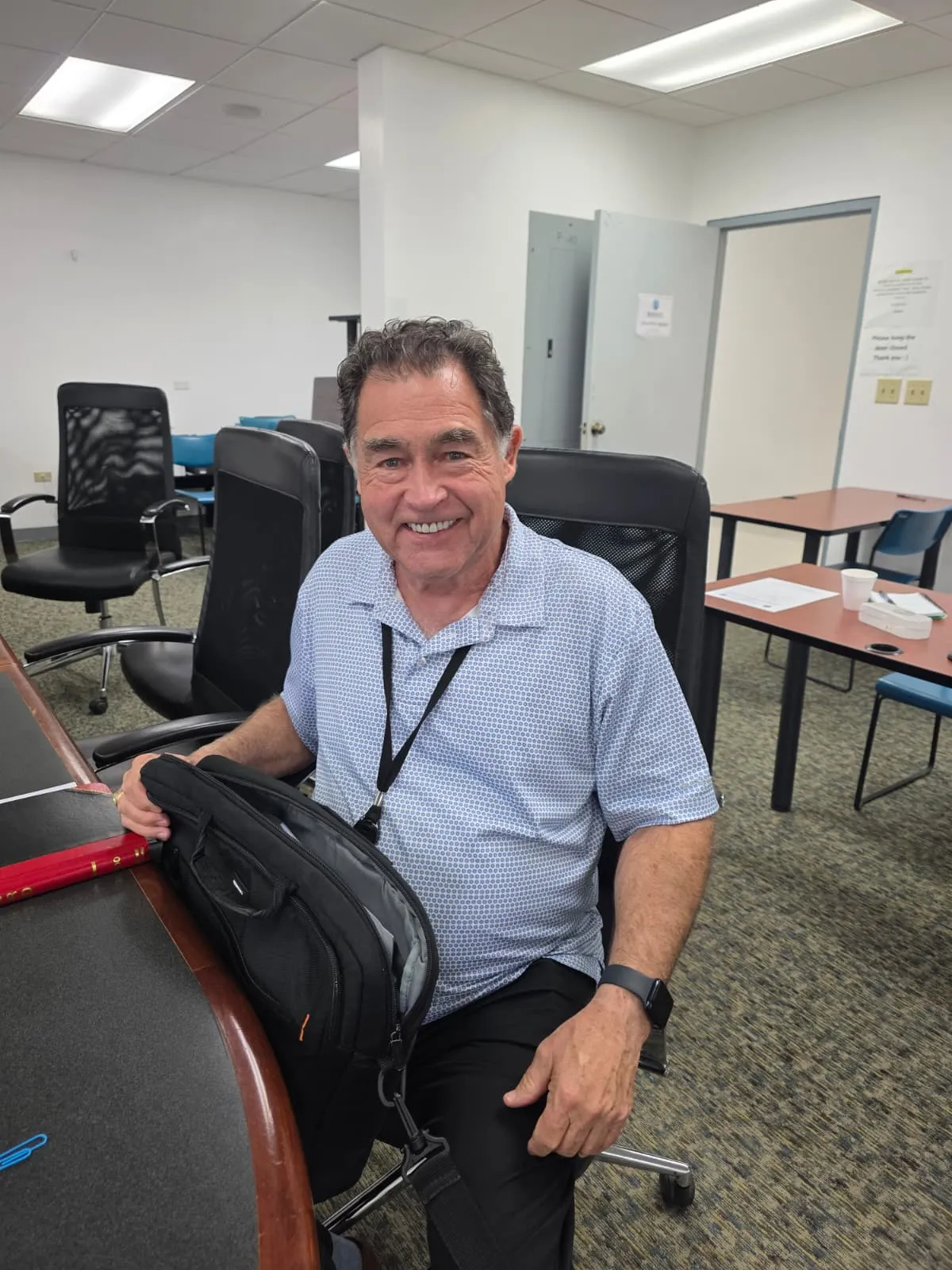
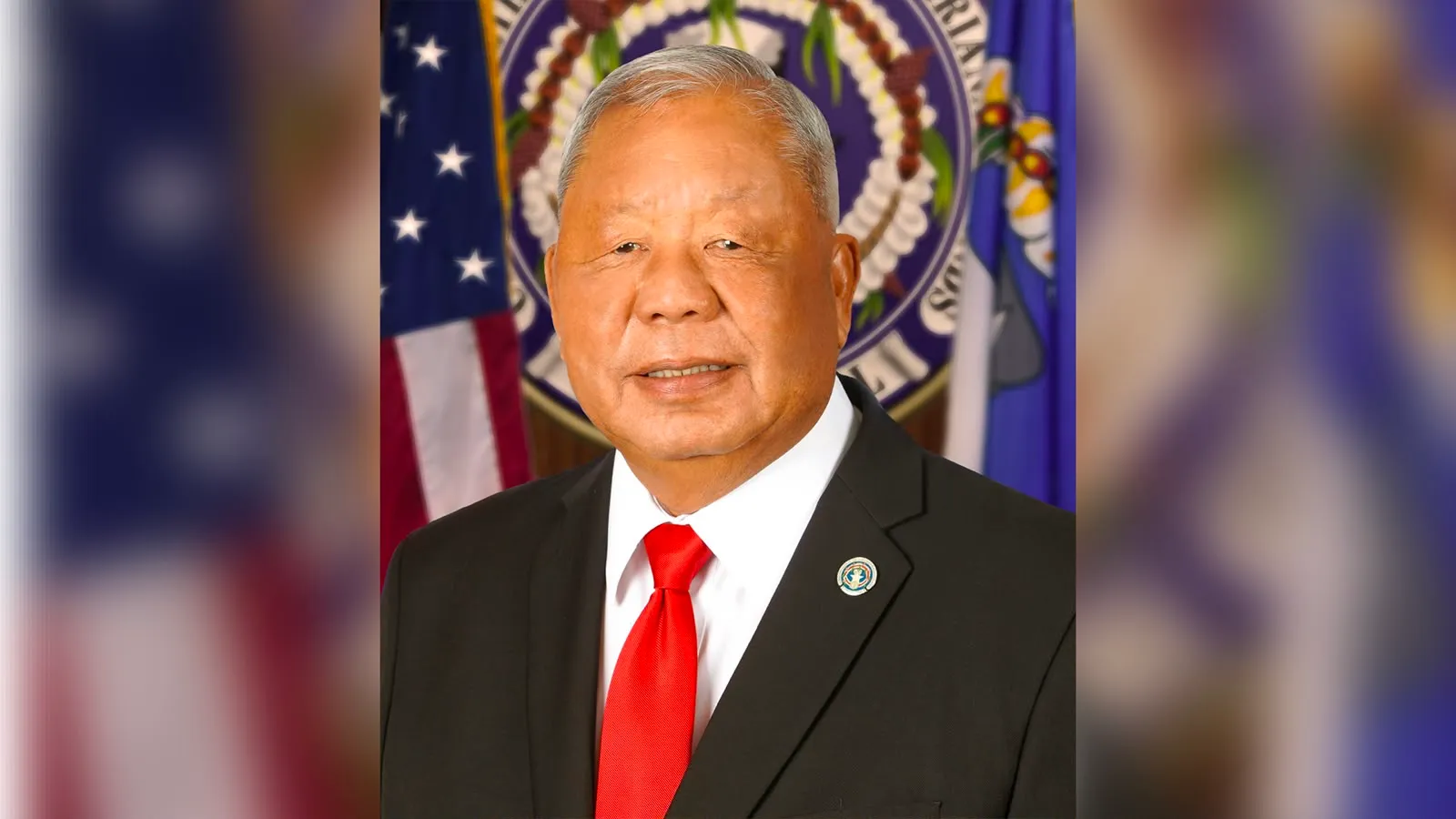


The keynote speaker during the 20th NMI Humanities Council anniversary celebration on Friday, Forbes said: “The individual needs to sort out for him or herself because the choice is theirs, and they can make the best decisions if these pieces are at their fingertips.”
Forbes said when cable TV was new to the island, children still spoke Chamorro as a first language but younger children who were exposed more to TV began speaking English as their first language.
He said on Guam, more people are choosing to put aside the Chamorro language, fewer people are trying to pick up the pieces and putting them back together again.
“While fewer people speak the language and live the culture of their parents, we are arguing about what it means to be Chamorro and we are debating that subject in English,” Forbes said.
The Humanities Council, he added, should remind people that they do have a choice to be the people they want to be, and to remind people that there are limitations inherent in our free will.
“I am not free to be exactly in all ways a Chamorro of the 1800s was,” he said.
Forbes said as a fair-skinned Chamorro, he used to surprise people whenever he spoke the local language.
Although his parents lived right next door, Forbes was raised by his grandmother and two grand-aunts who initiated him into the real Chamorro world, memorizing the sights, sounds and smells and getting his senses tuned in to local culture.
Forbes said the house he grew up in looked like a museum —nothing was thrown away.
He said the house was littered with fabric, needles, thread, statues, crucifixes, pictures, books, including telephone directories, old Japanese currency from the war, the “biggest collection of ceramic junk ever assembled,” bottles of rum and whisky hidden in the closet and to be used only when you were sick or when you bake, and more.
“Every day was like rummaging through history, religion and art,” Forbes said. He said that his Chamorro upbringing was a huge contrast to the stateside house across the yard from where his mom and dad lived.
He said his childhood at his grandma’s gave him a good start as a Chamorro.
At 16, Forbes said he improved his Chamorro by going to as many pocket meetings and rallies as possible on Guam, and hanging out every afternoon at the Legislature. He acquired books in Chamorro and bought cassette tapes of Chamorro music especially from Saipan.
“My three years as a pastor here in the early 1990s was like a baptism by fire. Either speak Chamorro or kiss a lot of goodwill goodbye,” he recalled.
Forbes said he is still learning something new.
