



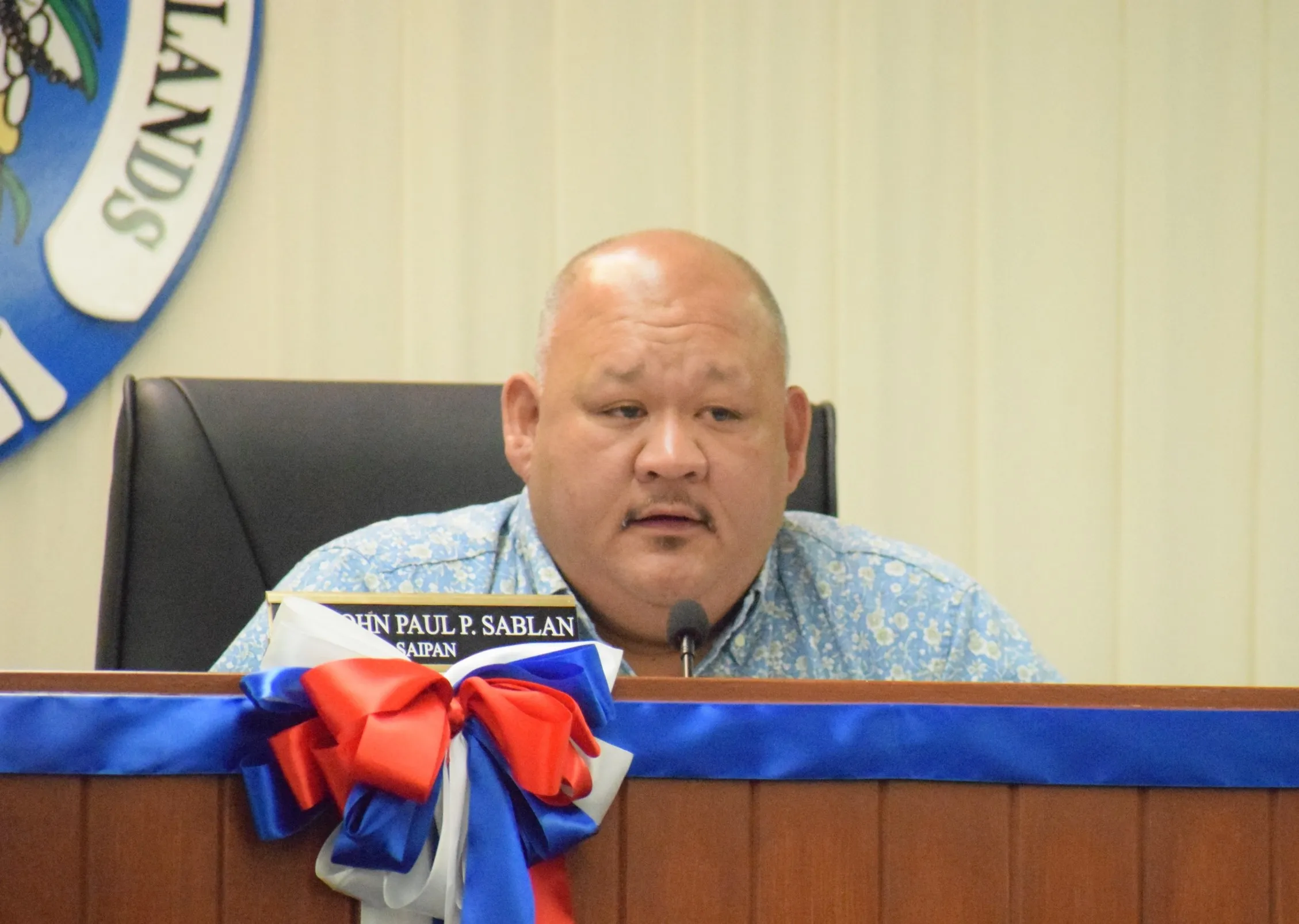


He said if everyone in the CNMI is allowed to grow their own marijuana plants, there would be no reason to steal them which may reduce violent crimes just like what happened in Guam.
“On March 8, 2010, Vincent Bernardo Peredo, a 31-year-old resident of Guam, was brutally murdered in his home by five suspects who broke his door and used weapons, including a pistol and a bat, to commit the robbery,” said Torres. “The five, all between 16 and 19 years old, reportedly planned the break-in with the intent not to kill Peredo but to steal his marijuana.”
“While these two incidents and many others like them involved illegal marijuana, I feel that the level of violence would not have been reached on Guam and the presence of firearms may not have deemed necessary on Saipan, had the marijuana been legal,” said Torres.
“In other words, it is unreasonable to believe that the supply of marijuana in these two cases was legally limited and restricted to a point where the people involved felt compelled to steal it, kill for it, and use weapons to guard it,” he added.
The lawmaker said if House Bill 17-47, or the Legalization of Marijuana Act of 2010 is enacted into law, the CNMI’s tourism-based economy may be revived.
By removing the legal restrictions on the use and possession of marijuana, Torres said its growers could legally sell them to tourists.
In 2006, local and federal authorities uprooted and seized more than 1,000 marijuana plants in different villages around the island.
The U.S. Drug Enforcement Administration and the Department of Public Safety pegged the street value of the seized marijuana plants at $500,000.
Torres said it has been proven time and again that marijuana has medicinal value and is one of the reasons why he wants its use to be legalized.
“Marijuana, they claim, is addictive, leads to harder drug use, injures the lungs, harms the immune system, damages the brain, interferes with fertility, impairs driving ability and sends the wrong message to kids. They say that medical marijuana is a front for drug legalization, and that people who claim medical use are actually using it for recreational pleasure,” he said.
“Each view has passionate and reasonable people on both sides of the debate…. The only facts that seem to be generally accepted by both sides of the argument is that seriously ill individuals who suffer from AIDS, cancer, diabetes, glaucoma and other conditions …cannot obtain relief from marijuana without fear of arrest and imprisonment,” he added.
In 2007, a number of groups from California advocating the legalization of marijuana use planned to hold a major conference on Saipan, which the Fitial administration welcomed.
But the event didn’t push through amid mounting protests from the public.
The National Organization for the Reform of Marijuana Laws is one of the oldest groups advocating for the legalization of marijuana having been established in 1972.
NORML supports the removal of all criminal penalties for the private possession and responsible use of marijuana by adults, including its cultivation for personal use.
Medicinal marijuana is legal in at least 14 states — Alaska, California, Colorado, Maine, Hawaii, Michigan, Montana, Nevada, New Jersey, New Mexico, Oregon, Rhode Island, Vermont and Washington.
