






By Bryan Manabat
[email protected]
Variety News Staff
THE Commonwealth Utilities Corporation has issued a notice of intent to award a major solar generation contract covering Saipan, Tinian, and Rota, marking the most significant step yet toward reducing the CNMI’s dependence on volatile global fuel prices.
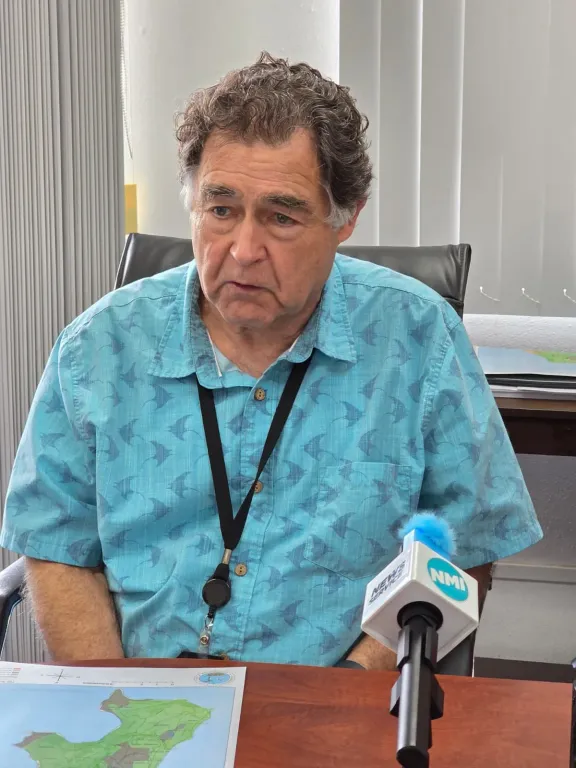
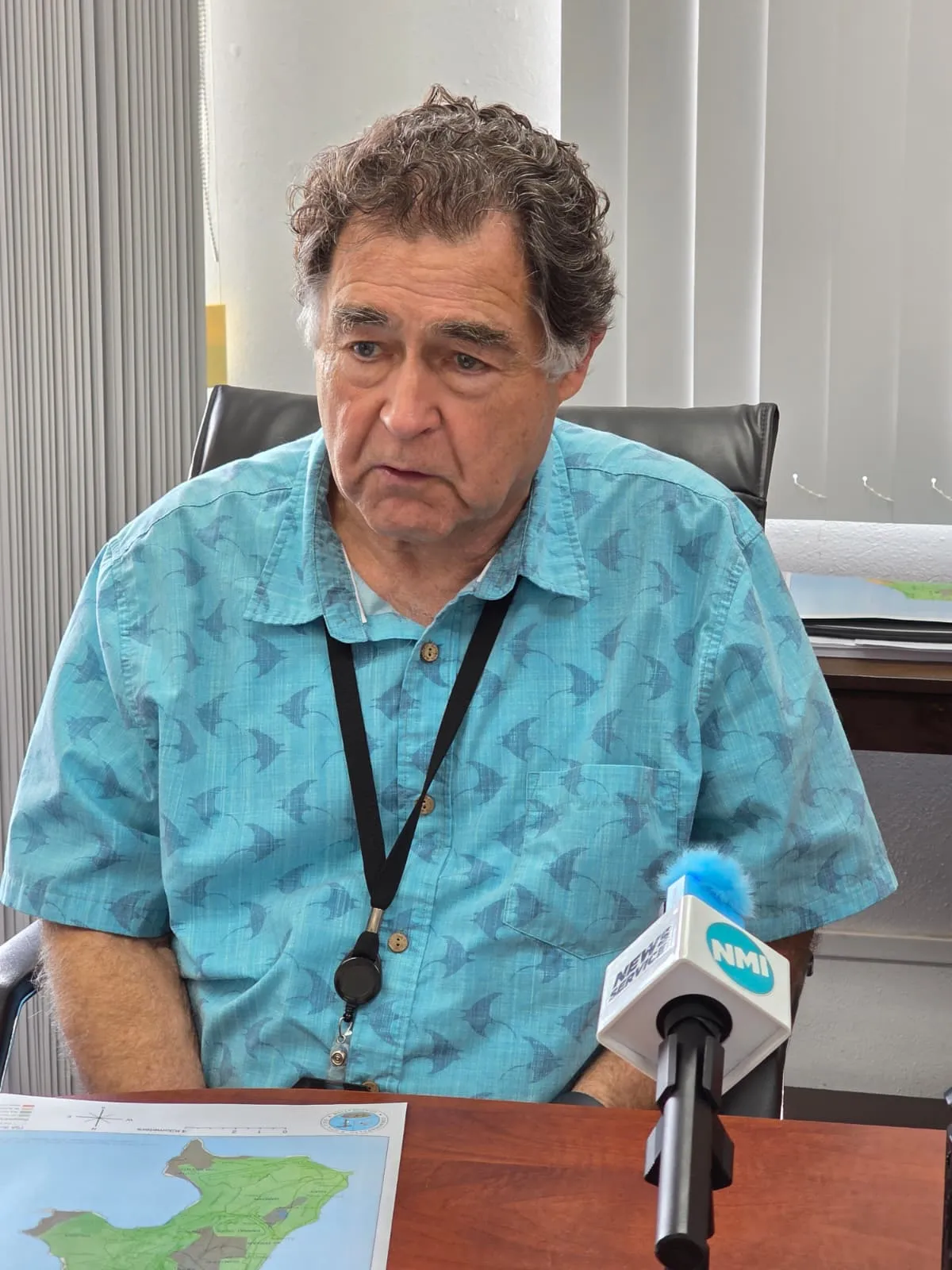
CUC Executive Director Kevin Watson confirmed Friday that the utility notified the selected vendor over a month ago, though the name remains confidential until the contract is finalized.
“A notice of intent to award, not a notice to proceed,” Watson said. “All of that’s confidential until the contract is done.”
Watson said the contract is expected to be completed within the next two weeks and then submitted for approval by the Commonwealth Public Utilities Commission. If approved, permitting and construction would begin immediately.
The project includes 53 megawatts of solar generation on Saipan, 11 MW on Tinian, and 3 MW on Rota, along with up to four hours of battery storage to stabilize the grid during cloud cover or short weather disturbances.
CUC previously issued a request for proposals seeking independent power producers to design, finance, construct, own, operate, and maintain utility-scale solar photovoltaic systems with battery storage across all three islands. The initiative aims to replace aging diesel generators, reduce fuel dependence, stabilize long-term electricity costs, and increase renewable energy penetration while maintaining grid reliability.
Earlier, Watson told Variety that a 20-megawatt solar farm with battery storage on Saipan could cost between $60 million and $90 million and supply nearly half of the island’s current power demand. The new three-island project is significantly larger, with more than double that capacity on Saipan alone.
Watson did not disclose the project’s total cost during Friday’s briefing, saying financial details will be released only after the contract is finalized and approved.
Fuel savings expected
Watson said the solar arrays are designed to shoulder most of the daytime electrical load across the CNMI.
“During the day, that’s our hope,” he said. “For eight hours, whatever fuel that eight hours would burn, we would be saving.”
He cautioned, however, that customers should not expect immediate reductions in the fuel adjustment charge.
“When we energize the solar, it’s going to take a while to see the effects,” he said.
Battery storage will help smooth short interruptions, but diesel engines will still be needed for spinning reserve and extended storms.
Fuel costs continue to strain CUC
CUC is moving forward with the project even as rising global oil prices continue to pressure the utility’s finances. Watson said CUC is currently paying 60 cents per kilowatt-hour for fuel while charging customers based on a lower rate.
“The bleeding is still there. We’re still losing money,” he said.
Despite the challenges, Watson said the solar contract represents a major turning point.
“It is still a priority,” he said. “It’s going ahead.”
