





By Emmanuel T. Erediano
[email protected]
Variety News Staff
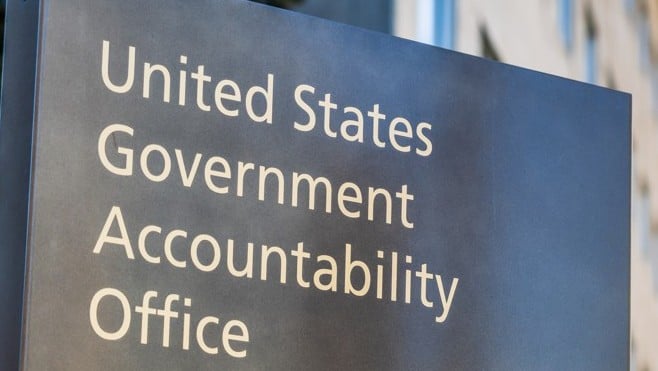
THE expiration of the CNMI-Only Transitional Worker Visa Program on Dec. 31, 2029, could have significant adverse effects on the Commonwealth’s economy, according to a study by the U.S. Government Accountability Office.
Gov. David M. Apatang wrote GAO Analyst-in-Charge Jon Fremont on March 16, 2026, “wholeheartedly” supporting the recommendation in the draft GAO report to evaluate the risks posed to the CNMI economy by the impending end of the CW-1 visa program.
Apatang also expressed strong support for legislation introduced by Delegate Kimberlyn King-Hinds seeking a 10-year extension of the program and giving the CNMI governor a central role in determining the Commonwealth’s workforce needs.
In its report, the GAO stated that maintaining economic stability in the CNMI is vital to U.S. interests. The report said the CW-1 program, created under the Consolidated Natural Resources Act of 2008, has played a critical role in supporting the CNMI economy because of the territory’s ongoing challenges in developing and maintaining a predominantly U.S. workforce.
Prior to the enactment of the CNRA, the CNMI government controlled its own immigration system. According to the report, the CNMI economy “has historically relied on foreign workers, who made up more than 50 percent of workers for the decade.”
The CNRA extended federal control over CNMI immigration beginning in 2009. Under federal law, the Department of Homeland Security established the CW-1 program to provide an orderly transition from the CNMI’s immigration system to the U.S. immigration system by gradually reducing the annual CW-1 visa cap until the program expires.
According to the GAO report, CNMI officials and other stakeholders anticipate “significant adverse effects” once the CW-1 program ends.
However, the report said both the U.S. and CNMI governments “lack important information about the risks that the end of the CW-1 program poses for the CNMI and potential options for responding to these risks.”
Citing the 2022 Island Areas Economic Census, the report stated there were approximately 1,500 business establishments in the CNMI. Since 2024, as many CW-1 workers departed the Commonwealth, about 140 businesses have closed, according to officials from the CNMI Department of Commerce.
“If the program ended, existing businesses would likely not be able to hire enough workers to staff their operations, which could further weaken the economy,” the report stated.
“For example, hotels would likely not have sufficient staff to operate and would potentially have to reduce the level of service provided, which could result in further reductions in tourism, according to business leaders we met with in the CNMI.”
The report also warned that ending the CW-1 visa program “may reduce economic investment in the CNMI by causing uncertainty about businesses’ ability to secure a skilled workforce.”
CNMI officials told the GAO that the territory will likely continue needing foreign workers to some extent.
“Without additional workers from outside of the CNMI, either U.S. or foreign, the CNMI will likely struggle to meet the workforce needs of a recovering economy,” the report stated.
No Interior study yet
The report said the U.S. Department of the Interior has not conducted a study assessing the economic impact of the CW-1 program’s expiration, despite its responsibility for managing relations between the U.S. and CNMI governments on matters not assigned to another federal agency.
Interior also serves as an important provider of technical assistance to the territory, the report said.
According to the GAO, federal internal control standards require agencies to identify, analyze and respond to risks related to significant changes.
The report stated that while Interior has worked with the CNMI government to address some economic challenges, it has not collaborated with the CNMI government or other federal agencies to study the potential workforce and economic risks associated with the end of the CW-1 program.
For example, the CNMI government is currently consulting with Interior’s Office of Insular Affairs and other federal agencies on issues including financial assistance for government operations and economic development, tourism and transportation improvements, and maintaining access to skilled labor.
However, the report said no formal study has been conducted to analyze the potential economic effects of ending the CW-1 program.
Through the CNRA, Congress expressed its intent to minimize the adverse economic effects of phasing out the CNMI’s former nonresident contract worker program, which was later replaced by the CW-1 program, the report stated.
Congress also seeks to maximize the CNMI’s future economic and business growth “by assisting the CNMI in achieving a progressively higher standard of living for CNMI citizens by providing technical and other assistance,” the report said.
The report added that Interior is tasked with providing technical assistance and other support to encourage diversification and growth within the CNMI economy.
By conducting a study examining the planned end of the CW-1 program, Interior could provide both U.S. and CNMI officials with valuable information to guide future economic planning, the GAO said.
Recommendation
The GAO recommended that the Secretary of the Interior ensure that the Assistant Secretary for Insular and International Affairs — or another appropriate office — collaborate with the Departments of Labor and Homeland Security, the CNMI government and other federal agencies to conduct a study analyzing the workforce and economic risks associated with the end of the CW-1 nonimmigrant visa program.
Apatang urged consideration of King-Hinds’ legislation, saying it would help stabilize “an economy in crisis in a region critical to U.S. national security.”
Emmanuel “Arnold” Erediano has a bachelor of science degree in Journalism. He started his career as police beat reporter. Loves to cook. Eats death threats for breakfast.
